The Lovecraft Mythos remains an iconic study in fear as the organizing principle of an invented mythology of Absurdist Nihilism; it also reveals how we use fear to shape ourselves and others. What are its methods and purposes in Lovecraft, and in horror literature in general? Why do we need fear as an instrument of identity creation?
Fear is both a limit of our openness to change which defines our boundaries and a disruptive force which transgresses normalities; a form of Chaos which is a measure of the adaptive potential of ourselves and our society as systems. We must listen to the secrets our fear whispers to us, for it both reflects our true selves and describes the negative spaces of our future possibilities of becoming human. Above all, fear is an instrument by which we create ourselves.
Cherish your fear and hold it close; question and probe the limits of your darkness, for it speaks to us of ambiguous truths immanent in nature and written in our flesh. Especially we must explore and interrogate the Uncanny Valley of horror, revulsion, disgust; the instinctive terror of things not quite like ourselves as figures of otherness, and the shock and awe of unknown possibilities of becoming human which live beyond the boundaries of the Forbidden.
We are seized and shaken by overwhelming forces of the brokenness of the world and the flaws of our humanity; the pathology of our disconnectedness and the psychopathy of power, the origins of evil in the Wagnerian Ring of fear, power, and force, and its loathsome manifestations of tyranny and carceral states of force and control as embodied violence which co-evolves with elite hegemonies of wealth, power, and privilege, hierarchies of belonging and otherness, and fascisms of blood, faith, and soil.
How shall we answer the terror of our nothingness?
Among the angels with which we must wrestle and the demons with which we must dance or be consumed by, the fracture of life disruptive events becomes a Rashomon Gate of relative and multiple truths and possible selves. Herein we may choose between two paths in seizures of power; we may become liberators or tyrants.
On one face of this coin, the tyrant Janus; the terror of our nothingness, falsification, dehumanization, abjection, and theft of the soul. On its reverse the liberator Janus; the joy of total freedom, seizure of power, self ownership, love which exalts us beyond the limits of our flesh and the discovery of our best selves as truths immanent in nature and written in our flesh.
Becoming human as a process of identity formation, self-construal or personae which is the word for a character mask which actors speak through in classical Greek theatre and which I believe describes identity as a performance and a narrative structure with precision, clarity, and great explanatory power, remains fluid, ambiguous, relative, ephemeral, and a primary ground of struggle.
Who chooses how we are to be defined, the boundaries between our limits and the possibilities of what we may become?
This is the first question to ask of any story; whose story is this?
To make an idea about a kind of people is an act of violence.
Always there remains the struggle between the masks we make for ourselves and those made for us by others. This is the first revolution in which we all must fight, the struggle for ownership of ourselves.
Such is the work of Resistance as Repair of the World, tikkun olam in the Kabbalah, under imposed conditions of struggle which include our fragile human form and the ambiguous truths written in our flesh.
As I wrote in my post On the Wisdom of Our Darkness in the wake of my mother’s death years ago; Grief, despair, and fear, the trauma of loss, the torment of loneliness, and the guilt of survivorship; the realm of our darkest and most negative passions immerses us in atavistic states with totalizing and tidal force.
Life disruptive events can destabilize identity and realign personality, transform meanings and values, send shockwaves through our network of relationships, shift our worldview and unmoor us from the anchorages of our ideological paradigms and historical contexts.
Such traumas confront us with the unfiltered face of our shadow self as a healing process, a transformative journey filled with dangers but also with the limitless possibilities of rebirth. As redirections of our momentum, disruptive events force reflection and redefinition of ourselves as intentional choice; among them the death of a loved one is surely the most terrible.
Overwhelming and painful as they may be, our negative emotions have adaptive value or we wouldn’t have developed them. How then do they help us survive? What is their purpose?
Grief, especially but not exclusively, connects us with other people, opens us to the pain of others, and brings us to a renegotiation of the terms of ourselves and our lives.
We are bound together by the flaws of our humanity, by our brokenness and our pain, by the fragile nature of our lives and our vulnerability to disruptive events.
The negative emotions are a biosocial tax on individuals which in part serve to drive us together to meet threats collectively as societies united in the cause of our survival, wherein the costs are shared among distributed resources. This is the origin of altruism; humans are designed to help each other. Each of us is marked by our nature as our brother’s keeper.
Far from wholly destructive, our darkness can be growth oriented and creative; destruction may be read as liberation and Chaos as the adaptive potential of a system.
Our darkness whispers, embrace your passion and your true self, and be reborn.
Passions of both light and darkness can act as warning buoys as we navigate into the future and the unknown; they can also illuminate and provoke us to abandon the known and discover new possibilities. Joy and sorrow, as with all our myriad passions, come as balanced pairs which help us process events by leveraging change.
Who then shall we become? Asks our self of surfaces, images, and masks which each moment negotiates our boundaries with others.
To which our secret self, the self of darkness and of passion, the self that lives beyond the mirror and knows no limits, unbound by time and space and infinite in possibilities, replies; Who do you want to become?
So I described grief process and the abjection and despair of life disruptive events as trauma but also as a gift of the unknown which bears potentialities of liberation and transformative rebirth.
There is a line spoken by the villain in the series The Magicians in the Netflix series The Magicians, a survivor of childhood abuse known as The Beast for his horrific crimes, once the powerless and terrified Martin Chatwin and now a monstrous tyrant and cannibal god, a figural study of Hitler and the motive forces of fascism and the psychopathy of power, a line which like a Zen riddle enfolds and typifies what for myself is the primary question of how to become human under imposed conditions of struggle which require the use of force in resistance, where the use of social force is always ambiguous, dehumanizing, and obeys Newton’s Third Law of Motion as bidirectional forces of reaction which create their own antithesis. “You know, when I was a boy, a man who was meant to care for me bent me over his desk and had me over and over every time I was alone with him. It helps me understand a truth. You’re powerful or you’re weak.”
Here is the original lie of the tyrant and the fascist in the apologetics and self-justification of power; the lie that only power has meaning, that there is no good or evil. It’s a line which captures perfectly the inherent contradictions of the Wagnerian Ring of fear, power, and force as an origin of evil and carceral states of force and control as embodied violence; for the use of social force is subversive of its own values.
But there are other ways of facing our darkness, among them the path of poetic vision in the reimagination and transformation of ourselves and through our actions of humankind and our world; of revolutionary struggle against the systems of oppression which possess us and of liberation from our own hegemonies of power, of embracing our monstrosity and questioning the origins and limits of that which we find abhorrent within us, of violations of normality and transgression of the boundaries of our authorized identities and the limits of the human, of dancing our demons; the way of Lovecraft.
In the end all that matters is what we do with our fear, and how we use our power. Do something beautiful with yours.
As I wrote in my post of December 26 2021, Reflections During the After Party; As the festivities of a wonderfully out of control after party swirl around me with raucous and dissonant sounds and the silent hungers, unanswerable pain, and strange desires of our guests press upon me like living brands, I sit among my ghosts, dreaming their dreams, both those they lived and those yet to be realized.
On such occasions as this, surrounded by feasts and family, I am also surrounded by chasms of darkness, loneliness, disconnection, and the voices and presences of the dead which interpenetrate my flesh with the shadows of their histories, literally in the case of our genetic code as transforms of messages about how to shape ourselves to the material world and its imposed conditions of revolutionary struggle to become human.
We are bearers of stories, made of memories and histories which echo back through the numberless unknown lives of our ancestors as an unfolding of human intention and poetic vision, prochronisms or histories expressed in our form of how we have solved problems of adaptation like the shells of fantastic sea creatures, songs which reverberate through our lives as epigenetic informing, motivating, and shaping forces which are not unique to us but part of an immense and incomprehensible wave of the limitless possibilities of becoming human, which can seize us with dreams of being, meaning, and value we ourselves cannot imagine.
Such is the power of vision as reimagination and transformation, and the nature of our persona and identities as performances in a theatre of which, as Shakespeare teaches us, all the world is a stage. What is important is to ask, whose stage is it? In whose story do we perform our lives? For these questions direct us not to the subjugation to authority of learned helplessness, but to seizures of power and revolutionary struggle.
How answer we the terrible pronouncement in MacBeth,
“Life’s but a walking shadow, a poor player
That struts and frets his hour upon the stage
And then is heard no more: it is a tale
Told by an idiot, full of sound and fury,
Signifying nothing.”
How shall we answer the terror of our nothingness and the legacies of our history? I have but one reply; to gather and cherish my trauma and pain, and make something beautiful with it. Thus may we stand against the darkness, and remain unconquered.
My answer to the suffering of the world is to give voice to the voices which have been stolen from us, the numberless generations of the silenced and the erased.
Welcome and embrace your pain and the terror of our nothingness as sacred wounds which open us to the pain of others.
Dance your demons before the stage of the world; go ahead, frighten the horses.
Forge great beauty from the flaws of your humanity and the brokenness of the world, and wield it as an instrument of reimagination and transformation in glorious change.
All true art defiles and exalts.
As I wrote in my post of October 26 2021, On Fear as the Basis of Exchange, Madness as Poetic Vision, and the Terror of Our Nothingness: the Case of Lovecraft; Who is this Absurd fellow Lovecraft, with his gorgeous phraseology and peculiar allegiance to British rather than American English, his Surreal strangeness, bizarre Sadeian transgression, Freudian horror, and poetics of fear?
Above all in this age of political polarization and historical culture and identity as a ground of struggle, how are we to understand him?
Is he a fascist? Nowhere in literature will you find a more useful case study of fascist psychology, and in nonfiction only the book I discovered while a senior in high school in the wake of studies of Holocaust literature and Jerzy Kosinski’s The Painted Bird, which led me to a lifelong study of the origins of evil through the intersections of literature, history, psychology, and philosophy, a multidisciplinary analysis of Hitler entitled The Psychopathic God by Robert G.L. Waite, is more illuminating.
Lovecraft is a conflicted author who mocked Hitler as a clown but also admired his performances as a form of Artaud’s Theatre of Cruelty and Pirandello’s Theatre of the Grotesque; many Americans thought of Trump in this way as parallel figures of public spectacle. Hitler’s famous maxim “Politics is the new art” marks the turning point of an unknown artist into a monstrous tyrant, and of our civilization to an age of darkness. From this moment on, image has replaced content and public life has been a theatrical performance wherein values are irrelevant.
Lovecraft’s paranoid delusions of alien conspiracies and ancient cults can be read as antisemitic allegories derived from propaganda like the Protocols of the Elders of Zion of which Umberto Eco wrote so beautifully in Prague Cemetery, but for the fact that he was a madman who believed them to be literally true; humanity is a tenuous and illusory quality for Lovecraft, whose world is filled with monsters wearing human masks who might reveal themselves at any moment, a precarious reality under constant threat.
His only known romantic relationship was his brief marriage to a Jewish woman, to whom he incessantly muttered dark imprecations, poisonous metacommentary, and racist characterizations about virtually everyone they passed on the streets of New York as monsters from his stories in disguise, as he did in his hundred thousand letters to his literary proteges.
He is not a fascist, which requires submission to authority and the abandonment of all meaning other than power and all value other than wealth. Fascism weaponizes overwhelming and generalized fear in service to power and operates as tyranny; Lovecraft’s work is filled with elite hierarchies of membership and exclusionary otherness as images and figures which may be read as racist, and he shares many of the obsessions of fascism, but nowhere does he long for authority or imposed meaning; instead he signposts and calls it out as cruelty without meaning or value, and his narratives are driven by existential dread and terror of authority.
His is a poetics of rebellion and nihilism like that of Camus and Beckett in a universe wherein the gods are not merely dead as in Nietzsche’s reimagination of the problem of the Deus Absconditus, the god who bound us to his laws and abandoned us, Thus Spake Zarathustra, but are actively hostile to humankind, mad idiot superbeings whose motives are utterly alien and predatory, who created humankind as slaves and food, a radical nihilistic atheism which has its political form as anarchy. The Anarchist slogan of the Industrial Workers of the World, “No gods, no masters”, coined by the socialist Louis Auguste Blanqui in 1880 and popularized by Joseph Conrad’s novel The Secret Agent in 1907, might have been written for him.
Is he a racist? Yes and no, as we may say of fellow Surrealists Djuna Barnes and Louis-Ferdinand Céline. His fears of otherness, miscegenation, contamination, devolution to an animal state, and of the monstrosity of others is often expressed in racist terms, but he neither begins nor ends with unselfcritical racism. It remains ambiguous whether he is calling it out or employing such tropes to advance his themes; the first interpretation ascribes intentionality and self awareness which is unprovable but aligns with his themes, the second miscasts him as a Warhol like mocker of expectations whose images are deliberately discontiguous and unaligned, or a fabulist without a cause which he was not.
He was instead a profoundly wounded and savaged soul who fears his own monstrosity most of all, and this is why he is useful to us. In the literature of madness only the works of Akutagawa and Philip K. Dick are true equals, both authors who like Lovecraft were fighting a losing battle against madness, and aware of the degeneration of their skill and artistic control. We may say of him as Renfield says of himself in Dracula; “I’m not a mad man. I’m a sane man fighting for my soul.”
Why should we read Lovecraft now?
Like the Hanging of the Maids in Homer’s Ulysses, the inspiration for Margaret Atwood’s The Penelopiad, his writing becomes meaningful for us when it is relevant to problems we face in our own lives, and literature is useful when it helps us solve problems of adaptation and change, such as confronting and interrogating implicit privilege as patriarchy and racism. What else is literature for? Purge it of its power to disturb, incite, and provoke, and it becomes meaningless and worthless.
The tragic flaw of Lovecraft is also that of our civilization; a blindness to our own privilege and a failure to embrace our monstrosity and otherness. Such lines of fracture can be read in our borders with their concentration camps of migrants and our prisons whose purpose is the re-enslavement of Black people as contract forced labor, and in our democracy which has been infiltrated and subverted by fascists and transformed into a carceral state of imperial force and control.
We must claim our monstrosity, and say of this secret twin who knows no limits and is free as Prospero says of Caliban in Act V, Scene 1 of William Shakespeare ’s The Tempest; “This thing of darkness I acknowledge mine.”
As written by Octave Mirbeau in The Torture Garden; “Monsters, monsters! But there are no monsters! What you call monsters are superior forms, or forms beyond your understanding. Aren’t the gods monsters? Isn’t a man of genius a monster, like a tiger or a spider, like all individuals who live beyond social lies, in the dazzling and divine immortality of things? Why, I too then-am a monster!”
Here I think of our monstrosity in terms of the classic allegorical novel of America as a family with the dark purpose of breeding its own carnival freak show, Geek Love by Katherine Dunn.
Any serious scholarship of Lovecraft begins with Michel Houellebecq’s stunning debut and manifesto, H. P. Lovecraft: Against the World, Against Life, whose chapter titles suggest the ars poetica of Lovecraft; “Attack the story like a radiant suicide, utter the great NO to life without weakness. Then you will see a magnificent cathedral, and your senses, vectors of unutterable derangement, will map out an integral delirium that will be lost in the unnamable architecture of time”.
Next comes the definitive biography I Am Providence: The Life and Times of H. P. Lovecraft, Volumes 1 & 2, by S.T. Joshi, Joshi’s An H. P. Lovecraft Encyclopedia, and the volumes he edited in the Black Wings series of Lovecraftian horror anthologies. Finally there is Thomas Ligotti’s manifesto The Conspiracy against the Human Race, and his darkly luminous fictions.
Why is Lovecraft relevant to us now?
H.P. Lovecraft investigates the failure of our civilization to protect us from our animal nature, the shadow which grants us depth and limitless passion; the purpose of our invention of civilization according to Camille Paglia’s magisterial Sexual Personae: Art and Decadence from Nefertiti to Emily Dickinson.
His writing is filled with images and themes which have been misread as racist, but his intent is the reverse; to name and disempower the forces which destroyed civilization in World War One as fear of otherness, exactly as did his model T.S. Eliot. Together with Vladimir Nabokov, they are the greatest, and perhaps the last, of our true conservatives.
But this, too, is ambiguous, for he is equally a revolutionary; Lovecraft’s vision of Western civilization is that of a colony of ants mining the waning power of a dead god’s carcass, a horror without purpose. He shares the critique of Idealism with Eliot, Nabokov, and especially Thomas Mann in Death in Venice, but also of traditional society as structural and systemic tyranny and authoritarian force and control with his fellow Absurdists and Surrealists, to some degree of normality as a basis of the power of church and state with de Sade as a literary provocateur and the valorization of transgression as liberation from the tyranny of other people’s ideas of virtue, and above all of formal power itself with the great visionary for whom he was a direct model with Genet and Bataille, William S. Burroughs.
Burroughs’ conspiracy of Venusian insects to conquer humankind through drug addiction as a metaphor of capitalism, summarized in his formulation of Marxism as The Algebra of Need, is an appropriation of Lovecraft. The master and his disciple were also both serious scholars of the occult obsessed with dark magic, who saw in mysticism a tradition of counterculture and dissent, as with the martyrdom of the Templars and Jacques DeMolay. As magicians and scholars of the occult there is a direct line of transmission and successorship from medieval ceremonial magic and Aleister Crowley to Lovecraft to Burroughs.
Anyone who has read my literary criticism or my political commentary will be aware that I despise and abjure fascism above all else. Why, then, do I love and admire conservative authors as a treasure, and acclaim any quixotic defense of Idealism against the onslaught of atavistic barbarism and dehumanized modernity?
Let me clarify; fascism is an intrusive force of destruction and no part of the Western Civilization which I champion, born as self-criticism in the Forum of Athens. Conservatism in America or indeed any free nation founded on the values of the Enlightenment begins with a free society of equals, a secular state, objective and testable truth, and a system of justice which is impartial to class, race, or gender, founded on the Rights of Man, scientific rationalism, and Humanism.
Any philosophy of totalitarian authority which centralizes power to a state of force and control, either theocratic, monarchist-aristocratic, communist, or fascist, is anathema to myself and to democracy and freedom. I am an American and a bearer of the Torch of Liberty. This is why I am on the side of rebellion, transgression, revolution, anarchy, chaos, and the frightening of the horses.
Regarding the themes of existential dread of otherness and the terror of alien civilizations, of being overrun by a zombie apocalypse of mindless cannibal brutes which has always been a metaphor of nonwhite immigration, H.P. Lovecraft explored this territory of fear as a cause of the collapse of our civilization. He interrogates rather than valorizes the causes of monarchy and fascism as forms of colonial imperialism.
Lovecraft asked a simple question; what happens to humankind and to human being, meaning, and value without Freudian control of our animal instinctive nature? Throughout his works he recapitulates and extends Nikos Kazantzakis’ thesis and interrogation of Nietzsche in The Philosophy of Right and the State, an anarchist critique of state power based on a legal reformulation of the Doctrine of Original Sin; that without the restraining force of law man devolves into a subhuman condition and the most ruthless and amoral wins and becomes king, originally formulated to limit the divine right of kings and crucial to the Enlightenment project and the birth of modern secular democracy.
Measure for Measure, Shakespeare’s savage morality play which examines concepts of state power, justice, and the theology of the depravity of man on which our legal system is founded, is luminous with Kafka-esque Absurdism and Freudian horror.
Here are Lovecraft’s primary sources and references; grimoires of magic, Shakespeare and classical Greek theatre which are common sources, Nietzsche, and Freud. What he did with them, however, was utterly unique and a luminous work of genius which interrogated the failure and collapse of our civilization in World War One from its internal contradictions and forged from his vision an ars poetica of Absurdist-Surrealist Nihilism which prefigured Existentialism.
This line of transmission originates with Dostoevsky and Gogol, was codified by Kafka, and finds realization in Samuel Beckett, Antonin Artaud, Kobo Abe, and Thomas Ligotti as Absurdist Nihilism and in William S. Burroughs, Jorge Borges, Philip K. Dick, Haruki Murakami, Andre Breton, Philip Lamantia, Allen Ginsburg, Jonathan Carroll, Jeff Vander Meer, and others as Surrealism.
It is his Surrealism for which I love him; Lovecraft’s principal stories form an
Initiation cycle of Jungian shadow work and the confrontation with ones own darkness as the Other in a metamorphosis of Orphic descent like Djuna Barnes’ Nightwood, or in Augustinian exaltation like Rene Daumal’s Mount Analogue, culminating in his reimagination of the Egyptian Book of the Dead in The Dream Quest of Unknown Kadath, William S. Burrough’s model for his own final masterwork The Western Lands.
Fellow Surrealist Vladimir Nabokov articulated the principles of poetic vision and dreams as transcendent imaginal journeys through time and other dimensions to seize control of our own evolution in his great novel Ada, Jung models them in the Red Book, and Philip K. Dick was consumed by them, but Surrealism as a transhumanist project to become a god or to unite with the Infinite draws on myriads of esoteric, mythic, occult, and mystery traditions, many of which inform Lovecraft’s work. Like Mozart’s The Magic Flute, Lovecraft can be read as a summa theologica and codex of the whole Western mystery tradition.
Like his models and sources, Dostoevsky’s The Idiot and The Brothers Karamazov, Gogol’s Dead Souls, Shakespeare’s The Tempest, and Nietzsche’s Thus Spake Zarathustra, and those for whom he became a model and reference in turn, Jung, Nabokov, Burroughs, Lamantia, and Philip K. Dick, and aligned with the works of Akutagawa in Kappa, Leonora Carrington, Djuna Barnes, and Jerzy Kosinski in The Painted Bird, the works of Lovecraft are also a therapy journal which documents his struggles with madness.
Like Baudelaire he realizes the world is mad; but he is also mad, and his great works chart the course of his degeneration and unmooring from consensus reality which was also a liberation of the spirit and of the imagination, a madness and rapture which transformed him into an angelic figure, combining in one being illumination and darkness, depravity and exaltation.
All true art defiles and exalts.
As a figure of Orpheus and Milton’s Rebel Angel Lovecraft struggled to escape the limits of the human and the legacies of his history, his madness a consequence of unresolved internal conflicts and the massive trauma of being an emotionally abandoned child whose parents both died of madness in an asylum, a madness which he shared and feared he could not escape, which made strange his vision as a unique genius but also marked him with a sign of otherness, robbed him of self control and reason at times and crippled his ability to bond or even socialize in person with others, making him a reclusive hermit without sexual interest of any kind.
Lovecraft bore the wound of the Fisher King in Sir Gawain and the Green Knight; he married at age 34 having never even kissed anyone before, and his wife remarked that she had to initiate sex as he was uninterested; the failure of their marriage is unmysterious in this light. This and lack of interest in eating which may have been attempts to starve himself to death and resulted in his gauntness make me suspect that he was a survivor of childhood sexual abuse, who hated his body and feared his desires. He may also have been held prisoner in isolation during his formative years, under the strict regime of his insane mother and female guardians, and the tortures he survived are described in symbolic and allegorical form in his works.
Here is a great secret of the mechanism of unequal power as epigenetic and multigenerational trauma and internalized oppression; the son is shaped and deployed as the vengeance of the mother, and the victim by the abuser who is a tyrant and also a survivor of powerlessness and victimhood, and so the system of oppression perpetuates itself. Patriarchy and racism are persistent because they create some of us as monsters with which to subjugate the rest of us.
Lovecraft suffered from what I call Dr Moreau syndrome, fear of devolution to an animal state; also of ones own animal nature, like the Toad Nietzsche feared he must swallow and could not and which William S. Burroughs gloried in being possessed by, avatar of a god of darkness and nightmares which he claimed as the successor of Nietzsche and shared with me as a boy through his bizarre and unique storytelling rituals, drawn from diverse sources including Crowley, Lovecraft, and his friend Bataille’s cult of Nietzsche.
This fear of degeneration and loss of humanity coupled with the xenophobic fear of being overwhelmed by representations of parental authority as alien outsiders are compounded in the leitmotif of ancient and superior prehuman civilization which renders our own insignificant, pathetic, and meaningless, and robs us of culture as a primary control mechanism of our id or shadow self. Hence the existential horror of the Western scholar confronted by elder and superior alien civilizations such as Eqypt, as in the Randolph Carter stories which were brilliantly reimagined in The Mummy films starring Brendan Fraser and Rachel Weisz. The fascination with Egyptian mythology is an element of Surrealism in general as well as with Lovecraft and Burroughs as Surrealists, especially in the poetry of its great visionary Philip Lamantia.
As regards his style; Lovecraft extends Antonin Artaud’s Theatre of Cruelty and as the direct model of Burroughs reimagines the nihilism and transgressive eroticism of Georges Bataille as Surrealism harnessed to the project of Romantic Idealism; to paraphrase the words of Ahab in Melville’s Moby Dick, to break through the mask of our material existence and seize the Reality it conceals. That the quest of Ahab was also his is quite evident; “to the end I shall grapple with thee, from Hell’s heart I strike at thee; for hate’s sake I spit my last breath at thee” as Ahab declaims to the White Whale, figure of authoritarian tyranny who stands in for God and for his abusers. Whether he was able through his stories to leave us a map of the journey to the unknowns which lie beyond the boundaries of the Forbidden is another matter, proven only in the doing.
As to the stylistics of his rhetoric and ars poetica, Lovecraft has lost his adjectives, which are running amok and taunting their substantives. His howls of desolation are a cause of great merriment among the several grammars he employs, and this is the only thing on which they are in agreement.
His words are formed of scrabble pieces, randomized by being shaken in a dice cup in a game against the gods of madness and the ravening dark, the future of our emerging humanity wagered against the barbarism of our past.
What can be saved, and what dreamed anew? For the stately pleasure dome of Xanadu is once again revealed as an illusion, a palace of memories and lies which in their dance of chaos cannot be limited by their classification and taxonomies of value, but frangible and hollow do betray us.
Mirrors and false images which capture, distort, and falsify us, a wilderness of lost meanings which steal our souls, sound and fury signifying nothing but which seizes and shakes us with the terror of our nothingness like a rag doll in a lion’s mouth, and the signifying monkey who lives at the Buddha’s foot to denote the inherent animal nature of all humankind as a theriomorphic representation has harnessed and is riding him like a pony.
Sometimes our demons must be let out to dance.
What can we learn from Lovecraft now?
One’s interpretation of a universe empty of meaning and value except for that which we ourselves create, a Nietzschean cosmos of dethroned gods as explored by Sartre or a Lovecraftian one, referential to classical sources which include Goya’s Saturn Devouring His Children, of mad, idiot gods who are also malign and hostile to humanity, rests with our solution to the paradox of Pandora’s Box; is hope a gift, or the most terrible of evils? I have come to believe that both are true at once, as Korzybski taught in his General Semantics.
Hope is a two- edged sword; it frees us and opens limitless possibilities, but in severing the bonds of history also steals from us our anchorages and disempowers the treasures of our past as shaping forces. Hope directs us toward a conservative project of finding new gods to replace the fallen, of gathering up and reconstructing our traditions as a precondition of faith as did T.S. Eliot. This is why the abandonment of hope is vital to Sartrean authenticity and to the rebellion of Camus; we must have no gods and no masters before we are free to own ourselves. The gates of Dante’s Hell, which bears the legend “Abandon hope, all ye who enter here,” lead to ourselves and to our own liberation. Hope in this context is subjugation to authority.
The terror of our nothingness, meaninglessness, and powerlessness in a hostile universe wherein the gods are mad and depraved monsters, a universe empty of imposed meaning or value, may also become the joy of total freedom, autonomy, authenticity, self-ownership and self-creation, as it was for Sartre; a universe in which the mould of man is broken and we are utterly without authorized identities.
Freedom can be terrible as well as wonderful. Among the most impactful stories I ever heard from my mother was how she went to the grocery store after my father died and experienced a full stop Lightningbolt Awakening, thinking, “What do I want? I know what my husband wanted, what my children want, but I don’t know what I want.”
It is in this moment in which we claim our nothingness that we free ourselves of all claims upon us, a transformative rebirth in which we become self-created beings.
Now imagine humanity after civilization destroyed itself twice in the last century’s world wars facing that same awakening to freedom and to loss, wherein our old values have betrayed us and must be forged anew, and we are bereft of signposts in an undiscovered country, exactly the same as a widow on her first trip shopping for dinner for no one but herself.
Our responses to this awakening to possibilities tend to correspond with one of the primary shaping forces of historical civilization; the conserving force as exemplified by T.S. Eliot, Thomas Mann, Vladimir Nabokov, and Flannery O’Connor, and the revolutionary force as exemplified by Gertrude Stein, James Joyce, Jean Paul Sartre, and Samuel Beckett.
Everyone possesses and uses both forces just as all organisms do in terms of their evolution. The function of conservatism is to buffer order from the shock of the new and withstand stresses and changing conditions without losing ourselves or undergoing morphogenic change, the loss of identity, or ruptures to our prochronism, the history of our successful adaptations and strategies of survival as expressed in our form, the loss of our culture and traditions. The function of revolution and innovation is to capitalize on chaos as adaptive potential and to transform, create, and discover new forms, meanings, and values.
For both nations and persons, the process of identity formation is the same. We all have one problem in common as we grow up; each of us must reinvent how to be human. This individuation is controlled by a second or historical principle; humans create themselves over time, and a third or social principle; humans create each other through their interdependence. And this tertiary principle, which concerns our interconnectedness and social frames, can produce conflicts with the secondary principle of memory and history. Much of our sorrows originate in the conflicts between the flaws of our humanity and the brokenness of the world, nature and nurture, the historical and social informing, motivating, and shaping forces of identity.
This is the first revolution in which we all must fight; the struggle for ownership and control of identity or persona, a term derived from the masks of Greek theatre, between the masks that others make for us and the ones we make for ourselves.
Is Lovecraft such a figure of heroic struggle against authority, like Icarus, Milton’s Rebel Angel, or Victor Frankenstein, fallen but great, a tragic bearer of the Torch of Liberty?
Great authors are a Rashomon Gate of relative truths, which like the fragmented images of the Hobgoblin’s Broken Mirror in Anderson’s Snow Queen reflect and reveal aspects of ourselves and come alive in their readers; which Lovecraft shall I describe?
The poet of Chaos whom I adore, of madness and the existential terror of our nothingness in a universe of dethroned authority, a visionary and tragic hero?
The survivor of abandonment and abuse who forged beauty from their trauma, a flawed and very human man whose fear of otherness was expressed in tragically disfigured allegories of dysmorphia, dehumanization, and degradation which are horrifically filled with racist figures and images and can be read as illuminating case studies of fear and of the dyadic origins of evil in overwhelming and generalized fear weaponized by authority in service to power and the systemic inequalities of power and privilege in hierarchies of elite belonging and otherness?
Lovecraft understood the principle of dancing ones demons; the monstrous figures he describes as shuggoths can be read as racist metaphors, but are also unflinching descriptions of actual childhood night terrors, manifestations of sexual abuse, which invaded his dreams and his flesh to “tickle” him awake. It is this relentless engagement with his fear and darkness, with the legacies of his victimization, this willingness to see the abominable and not look away, and to witness the truth as an author, like Camus to refuse to submit, and above all to embrace his own monstrosity, which makes him useful to us and places his work among the literature of madness and therapy journals, with Ryunosuke Akutagawa, Leonora Carrington, Fyodor Dostoevsky, Nikolai Gogol, Jerzy Kosinski, Philip K. Dick, and Kathy Acker. Foucault called this truth telling, and this parrhesia as a sacred calling to pursue the truth as a witness of history lies at the heart of Lovecraft’s bizarre invented mythos.
How does this help us forge our future as antifascists and antiracists, citizens of a free society of equals and bearers of the Torch of Liberty?
We must speak directly to that fear which is the origin of evil; to the flaws of our humanity and the brokenness of the world, and we do this best by bearing sacred wounds which open us to the pain of others. In the words of Karl Popper; “No rational argument will have a rational effect on a man who does not wish to adopt a rational attitude.” Let us embrace instead the irrational, our Shakespearean taxonomies of passion as motive forces, of rapture and terror, in the great work of reimagination and transformation of humankind and our limitless possibilities of becoming human.
We may say of Lovecraft what is said of Vincent Van Gogh in Doctor Who; “He transformed the pain of his tormented life into ecstatic beauty. Pain is easy to portray, but to use your passion and pain to portray the ecstasy and joy and magnificence of the world; no one had ever done it before, perhaps no one will ever do it again. To my mind, that strange, wild man was not only among the world’s greatest artists, but also one of the greatest men who ever lived.”
What is greatness? What does it mean to be a great author or creative genius of any kind, a great human being, in this or any time?
For myself, greatness does not require us to overcome the limits of our histories, which possess and inhabit us like the Toad of Nietzsche and Burroughs, only to engage the legacies of our history and the systems of oppression which entangle us in authentic struggle. Like Jacob wrestling the angel, everything in life is more powerful than we are; victory lies not in defeating the forces which shape us, but in refusal to submit to them, and in reaching beyond our limits. And in this Lovecraft emerges as a tragic hero, who can teach us how to struggle with our own darkness in our journey toward becoming human.
From the darkness of the unknown and the Forbidden, our demons call to us with siren songs which echo and thunder among limitless chasms of our possibilities, and whisper secrets in our dreams; and they say, Come dance with us.
The Psychopathic God, Robert G.L. Waite (the book that fixed me on the origins of evil as my field of study, through the lens of literature, history, psychology, and philosophy)
With moonrise tonight begins the Festival of the Hungry Ghosts throughout the month of August, as the legacies of our history return to devour and possess us. This pan-diaspora Chinese holiday is often compared to the Mexican Day of the Dead, but there is one crucial difference which makes the Ides of Hecate and Halloween nearer parallels; herein the Gates of Hell open and the souls of the dead inhabit our world, including those honored ancestors who possess us literally as DNA and stories embedded and written in our flesh, but most especially the Hungry Ghosts are the most wicked of the damned, bearing memories of their horrific crimes, atrocities, and perversions performed in life to shadow our own with unspeakable horrors.
Transgression; and those who embrace their monstrosity as do I are the Others who define the limits of the human and the boundaries of the Forbidden as authorized identities, virtue, and normality; those things which reflect their antagonist in empires, authorized elite hegemonies of wealth, power, and privilege, and fascisms of blood, faith, and soil, normalities of which I practice three things as a sacred calling in pursuit of truth and as revolutionary struggle; these being the violation of normality, the transgression of the Forbidden, and the performance of unauthorized identities as truths written in our flesh and the frightening of the horses.
This is my Festival of the Hungry Ghosts whom I dance in the embrace of our monstrosities, the performance of unauthorized identities, violations of normalities, transgressions of other people’s ideas of virtue beyond good and evil, the pursuit of truths immanent in nature and written in our flesh and those unique to ourselves which we alone create, beyond all limits.
Come dance with us, and be free.
I welcome and cherish the ancestors whose choices about how to be human and solutions to changing threats and conditions are encoded into my being epigenetically as stories and DNA, adaptive potential in forms of prochronism which protects identity and the morphology of our forms from disruptive change; but I welcome also those echoes and reflections of outsiders who help us to discover unknowns beyond our maps of human being, meaning, and value, and to create new ways and possibilities of becoming human which are uniquely ours.
We need both a conserving force to buffer identity from the shock of the new, and we also need a revolutionary force to adapt to changing conditions and instrumentalize Chaos in becoming human, as self-created and autonomous beings.
During this liminal time of reimagination and transformation of ourselves and our realities, both our angels and our devils are let out to play, with equal license; and what they desire is to live again through us. In exchange for such performances, imaginal beings and echoes and reflections of historical figures and forces may be bound and contracted to share with us their powers, knowledge beyond our horizons, and entrance into their worlds.
I find it interesting that this festival in Buddhist literature is both an Underworld Journey myth which parallels that of Orpheus and Eurydice and references elements of the Roman Ides of Hecate festival which precedes it, and an origin myth of the Hungry Ghosts in a curse as punishment for transgression of hospitality laws, like that of the Wendigo in Native American myth, so beautifully interrogated by Guillermo del Toro in the film Antlers, cursed to eternal hunger for cannibalism and transformed into a monster with powers of possession.
Many of the ceremonies and rituals of this festival are protection magic in the form of ancestor worship; we enact and perform the remembrance of those for whom our bodies are always interfaces and gateways between worlds by which we may operate in both. We embody our ancestors as their avatars and welcome possession by our deceased family members because this prevents possession by vengeful or dangerous spirits, both the human dead and others.
But if like me you are willing to embrace your darkness, the Hungry Ghosts, demons, and wrathful spirits offer so much more.
The Festival of the Hungry Ghosts serves to reinforce membership and belonging within our bloodline, clan, tribe, or consanguinity group against threatening outsiders, possibly the largest such ritual of mass remembrance and identity, and reinforces our anchors to a transpersonal and multigenerational past to create order and meaning in a chaotic and unstable universe free from any imposed meaning or value. And if you have no tribe, it is possible to create or discover one in this liminal time.
Also it offers us emergence from the shadows of our history as liberation struggle, and allegories of otherness to embrace and enact as transgression and poetic vision in the reimagination and transformation of ourselves and our choices about how to be human together. Sometimes we must let our demons out to dance.
Who shall we choose to perform and become, in this time of transformative potential? Belonging and authorized identities in the form of our ancestors, surely; but also acts of self creation and transgression represented by performances of Otherness. Not possession by our ancestors as submission to authority, but as saying yes to the truths of ourselves.
Of our histories, memories, identities; there are those we must remember and keep, and those from which we must escape, and if we are very lucky they are not always the same.
Choose to become free, self- created, Unconquered in refusal to submit to authority and authorized identities; be a Living Autonomous Zone.
But perform remembrance also, for as George Santayana teaches us; “Those who cannot remember the past are condemned to repeat it.”
Fear nothing, least of all your own darkness and monstrosity, for you will never be free from the legacies of our history until you have embraced them. As the line in the film The Fly goes; “You’re just afraid to be destroyed and recreated.”
This is merely seizure of power through poetic vision, reimagination, and transformation, which rituals like the Festival of the Hungry Ghosts and the Ides of Hecate offer us as rapture and exaltation beyond the limits of the human.
All true art defiles and exalts.
May you find the joy of total freedom to balance the terror of our nothingness.
As I wrote in my post of October 6 2021, A Song of Liberty: On Neil Gaiman’s Lucifer; A new moon signals the advent of the Halloween season tonight, a liminal time of transformation, change, rebirth, and the permeability of the boundary between life and death, dreams and consensus reality, truths and illusions, normality and transgression, as the gateway of the Forbidden opens and beckons us into unknowns.
Always go through the Forbidden Door.
A Great Work begins with moonrise as it does each year, of the destruction and re-creation of ourselves and our universe, and I write now in praise of sacred acts of Chaos and Transformation, and of songs of Liberty such as Neil Gaiman’s Lucifer. I am a fan of the Netflix series Lucifer and have watched it through several times; it places the task of healing from abandonment in a mythic context from Milton’s Paradise Lost; Neil Gaiman has written a reimagination of Paradise Regained.
Primarily a work which interrogates issues of freedom and autonomy versus authority and subjugation, falsification versus authenticity, and identity as a ground of struggle, Neil Gaiman places his drama in the context of the problem of the deus absconditus, the Biblical god who bound humankind to his laws and then abandoned us to struggle free of them in a defining act of self-creation.
His secondary sources include the myth of Prometheus in Hesiod’s Theogony, Aeschylus’ Prometheus Bound, Plato’s Protagoras, poetic versions of his myth by Goethe and Byron, the play by Percy Bysshe Shelley, and Mary Shelly’s Frankenstein which reimagines them all in a glorious recursion like an ouroboros swallowing its tail. Neil Gaiman also references the poetry of Ted Hughes and William Blake, and the myth of the fallen angels and their monstrous children the Nephilim from the apocryphal Book of Enoch.
Lucifer’s signature line, “What do you desire?” appropriates the central question of Lacan, “Che vuoi?”; his power to reveal one’s true self through looking into one’’s eyes and soul references the power of Medusa which appropriates the Male Gaze, and he never lies, for lies are the instrument of authority and those who would enslave us, and he is above all a Liberator and a Truth Teller as Foucault referred to parrhesia, whose purpose is to free us from tyranny. Secondarily he is a Trickster figure like Loki, who disrupts order through acts of chaos and transgression as a guide of the soul and as revolutionary struggle.
Gaiman’s Lucifer provides a role model and defines a personal mission statement for me, and for his enormous audience and fandom of the series. As Slavoj Zizek wrote in How to Read Lacan; “Even when my desires are transgressive, even when they violate social norms, this transgression relies on what it transgresses. Paul knows this very well, when in the famous passage in Romans, he describes how the Law gives societies the desire to violate it.”
“The evil that I would not, that I do” Romans 7:19, contextualizes transgression as the violation of normalities and the boundaries of the Forbidden, which like the divine command in Genesis not to eat the apple of the Tree of Knowledge of Good and Evil and become gods establishes the primary human act as defiance of authority and refusal to submit, whereby we seize our power and become self-created and self-owned beings, autonomous and free. As Max Stirner wrote; “Freedom cannot be granted; it must be seized.”
As such it interrogates power as rebellion against tyranny and authority, as transgression of the Forbidden, and as violations of normality and imposed ideas of virtue, three things I consider and practice as sacred Acts of Chaos and Transformation.
Lucifer in Gaiman’s mythos is a brilliantly depicted damaged child trying to grow up and free himself from the legacies of his enslavement. When one has been raised as a beast, becoming human is revolutionary struggle.
I find reflection of myself in the character of Lucifer and the issues he faces as a wounded champion of the powerless and the dispossessed, the silenced and the erased, who cannot escape the consequences of his aberrations and transgressions of the Forbidden or defiance of authorized identities and the tyranny of other people’s ideas of virtue and normality; he is an outcast hero who is seen by others as a villain and must accept his own monstrosity if he is to champion others.
In the film The League of Extraordinary Gentlemen, Dr Jekyll refuses to use his power with the words, “No. Hyde will never use me again.” To this Stuart Townsend’s glorious and strange Dorian Gray replies; “Then what good are you?”
Let us embrace our monstrosity as a seizure of power and say of this secret twin who knows no limits and is free as Prospero says of Caliban in Act V, Scene 1 of William Shakespeare ’s The Tempest; “This thing of darkness I acknowledge mine.”
Ours is a fallen world, a wilderness of mirrors wherein the truths written in our flesh and immanent in nature have been captured and distorted by those who would enslave us, falsified and abstracted from our lived experience as wild things, limitless and free; but one in which true heroism is possible, and where the uncontrollable and anarchic tidal force of love and desire can redeem the wildness of nature and the wildness within ourselves.
The romance subplot centers on the redemptive power of love and references Jean Cocteau’s classic film Beauty and the Beast, Mary Shelly’s Frankenstein, Emily Bronte’s Wuthering Heights, and directly appropriates as its model the myth of Orpheus and Eurydice, as well as the tragic re-enactment of that myth and its reimagination in Wuthering Heights in the lives and poetry of Ted Hughes and Sylvia Plath, who cast themselves in the roles of Heathcliff and Catherine.
Who can read the work of Emily Bronte without the meaning of her great novel Wuthering Heights changing with our awareness that its author thought of herself as Victor Frankenstein and as the titan Prometheus cast out of heaven like Milton’s rebel angel? That Heathcliff is her monster, a demon to be united with in an exalted Nietzschean rapture of transformative rebirth? And does this not change one’s reading of her source Frankenstein, and the works of Mary Shelly and Emily Bronte’s successors Sylvia Plath and Ted Hughes?
Such beautiful imagery, in an allegory of epigenetic trauma and resilience. We are all prisoners of our history, whose legacies we drag behind us like invisible reptilian tails.
We must free ourselves from our history; this is the first phase of revolutionary struggle and a precondition to our seizure of power over the ownership of ourselves and the achievement of internal conditions of being characterized by Liberty, autonomy, and Sartrean freedom and authenticity, a state which I term Unconquered, for who cannot be compelled by force is free.
Unconquered; the only title worth having, an idea which has continued to inform, motivate, and shape me since I first discovered it in a poem by William Ernest Henley, Invictus, as a high school Freshman.
At the first assembly of the new school year the incoming class was asked to recite a poem we liked to our new peers to introduce ourselves. Ours was a town divided by church affiliation of which my family and I were members of neither and rare new arrivals; the quiet and grim black garbed Dutch and their Reformed Church, affiliated with that of South Africa’s Apartheid regime, dour giants with snow white hair like Harry Potter villains who thought music and dancing were sinful and whose mouths were full of thee’s and thou’s, and the loud and laughing, earthy, polka dancing, sawdust pit wrestling Swiss and their Calvinist Church, who served beer to anyone over the age of twelve. Among my earliest memories was when a Dutch man married a Swiss girl, and his relatives called it a mixed marriage and burned a cross on their lawn.
Here I was notorious, the student for whom prayer in school had been discontinued as a result of my mother’s political action, who had adopted Nietzsche’s Thus Spake Zarathustra as a counter-narrative to the Bible the previous year and often quoted it in refutation to my fellow students attempts to cite authority in the repression of dissent. My parents were formidable figures who were also misfits; my mother a radical atheist, feminist, and peace activist who was also a biologist, psychologist, author, and scholar of Coleridge and medieval religious art, and my father the high school English, Drama, Forensics, and Fencing Club teacher who was also a counterculture theater director and collected artists and intellectuals, including Edward Albee whose plays he directed as I listened to their conversations during rehearsals as a child and the family storyteller William S. Burroughs, successor of Nietzsche through Georges Bataille and his Acephale circle and a disciple of H.P. Lovecraft as a Surrealist and magician.
I figured that I was going to get into a lot of fights, and had chosen to recite Invictus as the terms of struggle. Here was my prefacing speech to my peers and to the world; “I ask nothing of anyone, nor any quarter; neither will I offer any to those who stand against me. But I will never abandon anyone who stands with me, nor will you ever stand alone.
Last summer I went to Brazil to train as a fencer for the Pan American Games, and stayed to defend abandoned street children from the bounty hunters whom the rich had set on them, and this is how we survived against police death squads with only our hands and whatever we could steal; by standing together regardless of our differences.
This is what I ask now, of all of you. I’m hoping we can be friends.
The poem I’ve chosen to recite is Invictus, which means Unconquered in Latin, by William Ernest Henley.
“Out of the night that covers me,
Black as the Pit from pole to pole,
I thank whatever gods may be
For my unconquerable soul.
In the fell clutch of circumstance
I have not winced nor cried aloud.
Under the bludgeonings of chance
My head is bloody, but unbowed.
Beyond this place of wrath and tears
Looms but the Horror of the shade,
And yet the menace of the years
Finds, and shall find, me unafraid.
It matters not how strait the gate,
How charged with punishments the scroll,
I am the master of my fate:
I am the captain of my soul. “
After a long and terrible silence, the auditorium erupted in cheers.
None who are human are beyond redemption. Sometimes all we need do to conjure the redemptive power of love is offer others entrance into our world, to reveal our pain and our fear, our loneliness and hope of love, the wounds and flaws of our humanity which open us to the pain of others.
This is my advice to anyone who would reach out across the interfaces of our differences to win allies and transform enemies into friends, to all who write, speak, teach, and organize as a fulcrum of action with which to change the balance of power in the world; be unguarded, genuine, raw even, and speak your truth with vision and passion. We must speak directly to the pain we share as fellow human beings to call forth the truth of others.
We all have one problem in common as we grow up; each of us must reinvent how to be human.
Always there remains the struggle between the masks that others make for us and those we make for ourselves; this is the first revolution in which we all must fight, the struggle to seize ownership of ourselves.
Lucifer’s Song of Love: Cover of Wicked Game by Ursine Vulpine & Annaca
Let us celebrate and amplify the cause of all black cats, figures of historically marginalized others and all those whom Frantz Fanon called The Wretched of the Earth; the powerless and the dispossessed, the silenced and the erased, with whom I, as the founder of Lilac City Antifa and member of the Resistance founded in Paris 1940 as sworn to its Oath by the great Jean Genet in Beirut 1982, and my friends and allies in the cause of liberation place our lives in the balance.
A whole secret history of resistance and revolutionary struggle lies here written in the figure of the Black Cat, whose genealogy as a symbol and legacy of resilience and empowerment I outline in brief here, as a heritage we may all claim.
Since the dawn of our civilization black cats have held a special place in our mythologies as figures and symbols of unconquerable power beyond the reach of kings and priests to subjugate, repress, and control, or indeed any who would enslave us and steal our souls; so also they have symbolized forces of nature, and as chthonic figures of the realm of shadows which includes death and dreams. Servants of Hecate, whose Festival of Torches or Hecatean Ides was celebrated August 13-15 by the Roman Empire in connection with her role as co ruler of the Underworld with Peresephone, and also servants of Freya who pulled her chariot through the nights of the Wild Hunt, and like all cats sharing in the liminal powers of the Egyptian dual aspected goddess Maat the nurturing mother and Sekhmet the protective lioness.
We have today the comic and film mythology of Catwoman, whose autonomy and powers of resurrection are a mirror reverse image of the traditional evil witch in Christian theocratic patriarchy, who can transform into a black cat or leonine battle form.
Black cats have symbolized freedom since they were chosen by Le Chat Noir, the original Kropotkin-Bakunin anarchist clandestine rendevous spot and the first cabaret, which opened in Paris in 1881, depicted in the iconic Théophile Steinlen poster of 1896. This was a decade since the glory days of an ancestor of mine, called The Red Queen after the Alice in Wonderland charcter for her signature means of assassination, was defending the barricades during the Paris Commune.
As I wrote in my post of March 18 2024 Anniversary of the Founding of the Paris Commune; We celebrate today the one hundred fifty third anniversary of the founding of the Paris Commune, a glorious legacy of resistance in which all humankind shares. It conjures for me visions of the Bacchantes, a society of women revolutionaries who printed tickets with an image of the god of ecstasy and poetic vision on one side and the address of an enemy of the people on the other, bearing the legend “good for burning”. Distribution of the lottery tickets was through street runners as if it were any other black market gambling ring, something of no real interest to the police; teams bearing axes and torches would converge on the target as a flash mob.
An ancestor of mine was one of them, called the Red Queen in reference to the character in Alice in Wonderland due to her signature method of assassination, a friend of figures of the Commune including Karl Marx, Gustave Courbet, Arthur Rimbaud, Victor Hugo, Emile Zola, and a comrade of Louise Michel; she was among the members of the Garde Militaire of the Commune who later immigrated to San Francisco as an intact unit, with their banners and uniforms. The secret society of revolutionaries descended from the original Garde Militaire remain among the most influential of global covert military organizations independent from any nation, though clearly not unique in this.
I imagine her as a combination of Helena Bonham Carter’s Eudoria Holmes in Enola Holmes, which depicts the key figures of Suffragette history Emmeline Pankhurst and her daughter Sylvia, Rachel McAdams’ Irene Adler in Sherlock Holmes, and Michelle Pfeiffer’s Catwoman in Batman Returns.
When you dream of ur-sources of historical identity and archetypal figures who can act as guardians and guides and provide spaces to grow into, dream big.
Sustained and relentless waves of liberation actions and revolutionary struggle continue to hammer the world’s tyrannies of authoritarian force and control and fascisms of blood, faith, and soil with massive protests and electoral activism, and as we did in the Autonomous Zones of Seattle, Portland, and New York and hundreds more throughout the world, we will emerge victorious from the fight against unequal power and oppression because whosoever refuses to submit to force and defies authority and those who would enslave us becomes Unconquered and free. Each of us is a Living Autonomous Zone, ungovernable as the tide, uncontrollable as the wind; we are wild things, who serve no masters.
The Black Flag flies from the barricades in al Quds-Jerusalem, Moscow, Hong Kong, Atlanta, and dozens of other cities in every continent of earth, and its primary meaning has not changed since its use by the First International and by Louise Michel, veteran of the Paris Commune, who first flew it as an anarchist banner when she led the Paris worker’s revolt of March 9 1883; freedom versus tyranny, refusal to submit to authority, the abolition of state terror, surveillance, and control, resistance to nationalisms of blood, faith, and soil, and abandonment of fear as the basis of human exchange and the social use of force as a principle of human organization.
With this bold signal the people declare: we shall be ruled by none.
Vive la Commune!
When the Garde Militaire of the Paris Commune came to America with its flags and uniforms as a military society of the Internationale, the Black Cat as a recognition sign of liberation struggle came with it. Passed down along generations of international revolutionaries from its founders as a secret military society, who dispersed it everywhere while gathering in and lending aid and solidarity of action to the remnants of the Abolitionists, the Suffragettes, the Russian and other Revolutions, and especially the anarchist communes of the Seattle coast from which the labor union movement was born in America, it became the Sabotage Cat of the IWW with its electric spiky fur, also called the Wildcat and the origin of the term Wildcat Strike.
As successors and inheritors of these original organizations of liberation struggle became Antifascists and Resistance cadre, first in the People’s Militia founded in 1921 in Italy to oppose Mussolini, then Antifaschistische Aktion founded in 1932 in Germany, the International Brigades of the 1936-39 Spanish Civil War, and finally in the French Resistance of World War Two, to name four major sources which we claim as forebears, symbols and ideologies of resistance and revolution such as the Black Cat became pervasive and were carried forward to the next great movement of liberation struggle, the Black Panthers.
Here I wish to note that among the vast and rich history of Black resistance and liberation struggle, against both slavery and colonialism, the pan-African Leopard Society brotherhood of warriors provided a ready and wholly African model and context both for the Black Panthers and the mythology of the comic and film hero Black Panther.
As written by Billie Anania in Hyperallergic, in an article entitled How Black Cats Went From Bad Luck to Symbols of Defiance: Icons like the Black Panther Party logo, the “Sabo-Tabby,” and innumerable pieces of protest art go against the traditional Western taboo around the felines; “The superstition associating black cats with bad luck is rooted in the European fear of darkness. In Celtic mythology, the Cat Sìth stole the souls of the recently deceased. During the Middle Ages, Devil-fearing Christians killed black cats because of their perceived proximity to the underworld. This fear even carried over to the Salem Witch Trials, when ownership of a black cat could be cited in charges of witchcraft. While pop culture still preserves this troubled legacy, underground artists have revived an alternative tradition that dates back thousands of years.
The pantheon of Ancient Egypt included Bastet, the goddess of domesticity and fertility who took the form of a black cat. Generations of Egyptian artists portrayed Bastet differently as her mythos evolved, to the point that crimes against cats were punishable by death. Some representations of black cats have been more in this vein, against the Western taboo that they are ominous or sinister.
Feline disobedience works against the Western notion that nature serves humanity, and therefore disrupts a sense of order. The Industrial Workers of the World use a black cat (“Sab-Kitty” or “Sabo-Tabby”) as their icon for sabotage. Similarly, the Black Panthers named their party after an animal that only attacks when provoked.
Why do analyses of black cat folklore avoid this connection? Perhaps it’s because the IWW and the Black Panthers are still considered unsavory by those above a certain tax bracket. In most political contexts, black cats are silent agitators advocating for redistribution of wealth or even the overthrow of the government. As the first industrial labor union to recruit women and BIPOC, the IWW (or Wobblies) challenged the tactics of more conservative unions like the American Federation of Labor. Socialist writer Ralph Chaplin created the original Sabo-Tabby at the apex of the union’s radicalism, when it was hated by predatory capitalists and targeted for police suppression and surveillance. Over time, the symbol foreshadowed bad luck for bosses but liberation for workers, and artists adapted its likeness for political cartoons and propaganda to suit localized actions.
The Black Panther logo was originally drafted in 1966 by Dorothy Zellner and Ruth Howard at the request of Kwame Ture (then Stokely Carmichael) to represent the Lowndes County Freedom Organization. The symbol evolved after the Party for Self-Defense incorporated in Oakland. Local artist Lisa Lyons popularized alternative designs of the panther on black-and-white flyers for rallies and marches, particularly for the freeing of Huey Newton and Eldridge Cleaver’s presidential campaign. Lyons helped transform the panther into a symbol of beauty and honor. One poster declares: “An attack against one is an attack against all. The slaughter of Black people must be stopped! By any means necessary!”
Although the Wobblies and Panthers both suffered sabotage by the US government, their ideologies have inspired insurrection among anarchists and environmentalists worldwide, and their legacies continue in the fights for labor reform and prison abolition. In the last month, stunning copyright-free tributes have emerged on social media. A recent illustration by Brazilian artist Gabriel Borjoize shows a black cat with the Gadsden rattlesnake — a libertarian symbol based on the American Revolution’s “Don’t Tread on Me” flag — between its teeth. This scene feels evergreen in light of anti-lockdown protests as well as the ongoing right-wing push for smaller government and reduced social welfare spending (outside of police and the military, of course). Another illustration by Canadian artist Michael DeForge asserts, “Cops Aren’t Workers, No Cops in Labour,” with a giant Sabo-Tabby chomping on a cop car. It remains to be seen whether these black cats are a sign of progress, or of a longer battle on the horizon.”
Myth, history, identity, and the limitless possibilities of becoming human. How can the idea of the Black Cat help us become who we wish to be, to discover and perform those truths written in our flesh?
Our history as a series of seizures of power in liberation struggle offers us two vivid and immediate role models and figures of the Black Cat as outsider and champion of outsiders; Catwoman and Black Panther.
Adopt a black cat, lovers of liberty!
Let us run amok and be ungovernable.
The Syracusan Bride leading Wild Animals in Procession to the Temple of Diana by Lord Frederick Leighton (depicts the Ides of Hecate festival of August 13-15)
Chadwick Boseman’s Black Panther
Michelle Pfeiffer’s Catwoman in Batman Returns
FB Group For the Love of Black Cats Appreciation Day
Of the Fall of Afghanistan we may say with Charles Dickens as written in A Tale of Two Cities; “It was the best of times, it was the worst of times, it was the age of wisdom, it was the age of foolishness, it was the epoch of belief, it was the epoch of incredulity, it was the season of Light, it was the season of Darkness, it was the spring of hope, it was the winter of despair …, we had nothing before us, we were all going direct to Heaven, we were all going direct the other way …”
This Defining Moment of our history, of both America and Afghanistan and of the broader conflict of civilizations of which our story is a part, beginning with the creation of civilization itself in the wars between the democracies of Greece and the autocratic Persian Empire, I imagine the Fall of Kabul now not in terms of vast systemic forces but as darkness illuminated by sudden flashes of vivid memories out of time from what has thus far been my final expedition into this theatre of war and ground of struggle; terror, pain, death, and hope, that gift and curse of Pandora to us all.
I wrote my journal entry of this day three years ago from Peshawar during preparations for the expedition; by August 24 2021 I was across the Khyber Pass, and my journal for that date includes a film clip from Inglorious Basterds, Shoshanna Prepares for German Night with the glorious music by David Bowie, my theme song for Last Stands, which I post only when I am about to do something from which there is no return.
Long ago I lost count of such Last Stands; it seems now to be my true state of being, this leap of faith into the Abyss. As Jean Genet said to me in 1982 Beirut, in a burning house, in a lost cause, in a suicide pact of refusal to surrender when he swore me to the Oath of the Resistance which set me on my life’s path; “When there is no hope, we are free to do impossible things, glorious things.”
During our Defense of Panjshir that September a forlorn hope of Independence for her people was lost, but never shall be forgotten.
Afghanistan my love; one day I will return to you, though hell should bar the way.
As written by Alfred Noyes in The Highwayman;
PART ONE
The wind was a torrent of darkness among the gusty trees.
The moon was a ghostly galleon tossed upon cloudy seas.
The road was a ribbon of moonlight over the purple moor,
And the highwayman came riding—
Riding—riding—
The highwayman came riding, up to the old inn-door.
He’d a French cocked-hat on his forehead, a bunch of lace at his chin,
A coat of the claret velvet, and breeches of brown doe-skin.
They fitted with never a wrinkle. His boots were up to the thigh.
And he rode with a jewelled twinkle,
His pistol butts a-twinkle,
His rapier hilt a-twinkle, under the jewelled sky.
Over the cobbles he clattered and clashed in the dark inn-yard.
He tapped with his whip on the shutters, but all was locked and barred.
He whistled a tune to the window, and who should be waiting there
But the landlord’s black-eyed daughter,
Bess, the landlord’s daughter,
Plaiting a dark red love-knot into her long black hair.
And dark in the dark old inn-yard a stable-wicket creaked
Where Tim the ostler listened. His face was white and peaked.
His eyes were hollows of madness, his hair like mouldy hay,
But he loved the landlord’s daughter,
The landlord’s red-lipped daughter.
Dumb as a dog he listened, and he heard the robber say—
“One kiss, my bonny sweetheart, I’m after a prize to-night,
But I shall be back with the yellow gold before the morning light;
Yet, if they press me sharply, and harry me through the day,
Then look for me by moonlight,
Watch for me by moonlight,
I’ll come to thee by moonlight, though hell should bar the way.”
He rose upright in the stirrups. He scarce could reach her hand,
But she loosened her hair in the casement. His face burnt like a brand
As the black cascade of perfume came tumbling over his breast;
And he kissed its waves in the moonlight,
(O, sweet black waves in the moonlight!)
Then he tugged at his rein in the moonlight, and galloped away to the west.
PART TWO
He did not come in the dawning. He did not come at noon;
And out of the tawny sunset, before the rise of the moon,
When the road was a gypsy’s ribbon, looping the purple moor,
A red-coat troop came marching—
Marching—marching—
King George’s men came marching, up to the old inn-door.
They said no word to the landlord. They drank his ale instead.
But they gagged his daughter, and bound her, to the foot of her narrow bed.
Two of them knelt at her casement, with muskets at their side!
There was death at every window;
And hell at one dark window;
For Bess could see, through her casement, the road that he would ride.
They had tied her up to attention, with many a sniggering jest.
They had bound a musket beside her, with the muzzle beneath her breast!
“Now, keep good watch!” and they kissed her. She heard the doomed man say—
Look for me by moonlight;
Watch for me by moonlight;
I’ll come to thee by moonlight, though hell should bar the way!
She twisted her hands behind her; but all the knots held good!
She writhed her hands till her fingers were wet with sweat or blood!
They stretched and strained in the darkness, and the hours crawled by like years
Till, now, on the stroke of midnight,
Cold, on the stroke of midnight,
The tip of one finger touched it! The trigger at least was hers!
The tip of one finger touched it. She strove no more for the rest.
Up, she stood up to attention, with the muzzle beneath her breast.
She would not risk their hearing; she would not strive again;
For the road lay bare in the moonlight;
Blank and bare in the moonlight;
And the blood of her veins, in the moonlight, throbbed to her love’s refrain.
Tlot-tlot; tlot-tlot! Had they heard it? The horsehoofs ringing clear;
Tlot-tlot; tlot-tlot, in the distance? Were they deaf that they did not hear?
Down the ribbon of moonlight, over the brow of the hill,
The highwayman came riding—
Riding—riding—
The red coats looked to their priming! She stood up, straight and still.
Tlot-tlot, in the frosty silence! Tlot-tlot, in the echoing night!
Nearer he came and nearer. Her face was like a light.
Her eyes grew wide for a moment; she drew one last deep breath,
Then her finger moved in the moonlight,
Her musket shattered the moonlight,
Shattered her breast in the moonlight and warned him—with her death.
He turned. He spurred to the west; he did not know who stood
Bowed, with her head o’er the musket, drenched with her own blood!
Not till the dawn he heard it, and his face grew grey to hear
How Bess, the landlord’s daughter,
The landlord’s black-eyed daughter,
Had watched for her love in the moonlight, and died in the darkness there.
Back, he spurred like a madman, shrieking a curse to the sky,
With the white road smoking behind him and his rapier brandished high.
Blood red were his spurs in the golden noon; wine-red was his velvet coat;
When they shot him down on the highway,
Down like a dog on the highway,
And he lay in his blood on the highway, with a bunch of lace at his throat.
. . .
And still of a winter’s night, they say, when the wind is in the trees,
When the moon is a ghostly galleon tossed upon cloudy seas,
When the road is a ribbon of moonlight over the purple moor,
A highwayman comes riding—
Riding—riding—
A highwayman comes riding, up to the old inn-door.
Over the cobbles he clatters and clangs in the dark inn-yard.
He taps with his whip on the shutters, but all is locked and barred.
He whistles a tune to the window, and who should be waiting there
But the landlord’s black-eyed daughter,
Bess, the landlord’s daughter,
Plaiting a dark red love-knot into her long black hair.
As I wrote in my post of August 16 2021, The Fall of Kabul and Afghanistan; We are confronted with mesmerizing images this weekend of the Fall of Kabul and Afghanistan to the victorious forces of the Taliban and the collapse of our Potempkin Village regime and its mirage army who fired not a single shot in resistance, images which recall the Fall of Saigon in 1975 under parallel conditions.
If America wants a seat at the table in shaping the policies of the new government, we must recognize it as the legitimate independence movement that it is and refuse to play the role of foreign ogres of imperialism. We may win with the carrot what we have lost with the stick.
Send not soldiers but diplomats with humanitarian aid and material support; this can be conditional on adherence to the principles of universal human rights. The Taliban need something from the US and the world at large; recognition of legitimacy, and this can be a powerful lever.
As Shakespeare’s Henry the Fifth says; “When lenity and cruelty play for a kingdom, the gentler hand is the surest winner.”
America’s epic crusade and imperial adventures in Afghanistan began with a stunningly successful campaign to bring down the Soviet Union by luring and trapping it into an unwinnable invasion and conquest, a lesson subsequently forgotten, in which we armed, trained, funded, and often directly commanded and fought alongside freedom fighters who are today the warlords who actually rule Afghanistan. These American clients infamously included the brilliant religious scholar Osama bin Laden, and I think we all know how well that worked out.
It seems we have learned nothing from the failures of our imperialism; this time may be different, but I doubt it.
Unless we change the forces and conditions which make war profitable to elites and useful to authorities in the centralization of power.
This will not be the first time the Taliban, a Pashto word meaning “students”, have ruled Afghanistan, as they did so from 1996 to 2001 as proxies of Pakistan, until America invaded in the wake of 911. Nor is it the first time Afghanistan has merited its title as “the Graveyard of Empires”; Alexander the Great’s successor state of Bactria, the Mongols, the British Empire and the Soviet Union all were broken upon its anvil. It has also been the birthplace of great empires which then fragmented; Parthia, Scythia, the Buddhist Kushans, White Huns, Kidarites, the Hindu Shahi Dynasty, and the empire of Nader Shah. Modern Afghanistan was founded in 1747 by Ahmad Shah Durrani from the remnants of the Mughals and Nader Shah’s heirs in Persia, after a mutually destructive conflict between the Safavid Dynasty of Persia and the Mughals of India for possession of Kandahar.
And now, it seems, it is America’s turn. What madness possesses us, we humans, that we are driven to dominate and control others, with the institutionalized psychotic rage and violence of war on the one hand and the seductive lies and illusions of falsification and capitalist theft of public resources and wealth on the other?
How can we escape the destructive vicious cycle and Wagnerian Ring of fear, power, and force?
What are some lessons we can learn from our imperial failures to divide and conquer through manufacturing proxies and hegemonic elites along balkanized sectarian and ethnic lines, warlords, illusory client states, and the harnessed strategies of state terror and tyranny and a global carceral state of torture, surveillance, repression of dissent, borders, and police, in tandem with assimilation, co-optation, colonial exploitation through the pawns of corrupt oligarchs and puppet regimes, and the weaponization of our values and ideals, of democracy and universal human rights, as propagandistic bait for the trap of our dominion?
Who bears arms bears death; choose life.
Let us abandon the social use of force.
Let us send no armies to enforce virtue.
As I wrote in my post of April 19 2021, Biden Proclaims the End of America’s War in Afghanistan: Hooray, and Good Luck With That; In Afghanistan we came for vengeance, and stayed for profit. It has proven difficult to let go of either.
President Biden has proclaimed the end of America’s War in Afghanistan; this I celebrate, my joy at news of peace shadowed only by the fact that we have been here before. Declaring peace is one thing; keeping the peace is quite another.
2019 was a year of great hope tempered with tragic failure, typified by its end and the start of a new year with a fragile peace in Afghanistan after 18 years of war, a peace lost a few days later in a six hour fight in the total darkness of a cave, rescuing the SEALs trapped in a Taliban fortress by the destruction of their helicopters during an assault in violation of the treaty, a mission of provocation whose objective was sabotaging the peace, in which the whole history of millennia of civilizational conflict was borne by four men who free climbed a mountain in recapitulation of Alexander the Great’s capture of the Sogdian Rock and then with stealth, misdirection, and precision defeated a force which had overwhelmed and pinned down an airborne assault team of SEALs.
As with many events which unfold as a regression of throwing words into throwing stones, it was both a tactical success and a strategic failure, a glorious act of heroism and an imperialist provocation which sabotaged our withdrawal from the madness of a forever war.
This was a theatrical set-piece action designed to provide a casus belli, a secret mission to sabotage peace modeled on the ruse used by the Japanese to legitimize their invasion of Manchuria in 1931, the Mukden Incident, which involved a single Japanese soldier, a Missing Man whom other soldiers were sent to rescue.
Biden’s Peace will be a test of the soul of America, of our true values and intentions toward the world, and of our unity of purpose. This is a line I hope we can hold, for if our profiteers of death and what Eisenhower called the military-industrial complex sabotage the chance for peace yet again in service to wealth and power, as Trump did in 2019 and the forces of Imperial Japan did in 1931, the possible futures which unfold from that moment do not promise a better world.
We know what happened the last time, at Pearl Harbor.
As I wrote in my post of January 2 2020, An end in sight to the Forever War in Afghanistan?; The New Year brings a gift of peace, or its possibility, which may allow us to end our 18 year Forever War in Afghanistan and bring our 12,000 troops there home.
Hundreds of thousands have died in this epic conflict with no real benefit to anyone, a war in which the objectives, alliances, and constellations of power have been amorphous and shifting, a flood America has tried to oppose with a bucket brigade.
If a peace can be forged, if a nation can be put together again like Humpty Dumpty, it will be a miracle, but one much like Vietnam in which America flees in defeat and abandons its allies to an implacable enemy dedicated to enforcing its vision of an ideal society on everyone it can. Such comparison is limited in many ways, among them the odd fact that America has been subsidizing the Taliban through the tribute paid by our civilian contractors while our militaries have been savaging each other in a pit fight marked by war crimes on all sides, attended by dehumanization and the civilizational loss of values.
War makes for good business for a few, and incomprehensible horror for the many.
As described by Rahim Faiez and Kathy Gannon in Huffpost; “A key pillar of the agreement, which the U.S. and Taliban have been hammering out for more than a year, is direct negotiations between Afghans on both sides of the conflict.
Those intra-Afghan negotiations are expected to be held within two weeks of the signing of a U.S.-Taliban peace deal. They will likely decide what a post-war Afghanistan will look like, and what role the Taliban will play. The negotiations would cover a wide range of subjects, such as the rights of women, free speech and the fate of the tens of thousands of Taliban fighters, as well as the heavily armed militias belonging to Afghanistan’s warlords who have amassed wealth and power since the Taliban’s ouster.”
And in my subsequent post of February 29 2020, Peace in Afghanistan?; We celebrate today the historic signing of the peace accord between America and the Taliban, and the chance to bring our troops home from an 18 year war which has achieved little at great cost in blood and treasure. It is a tentative, conditional peace, formulated in a brilliant document which will forever remain an example of masterful diplomacy, in which both sides may claim victory.
America has won the destruction and disavowal of a great enemy, al-Qaeda, by their Taliban allies; this also poises the Taliban as a Sunni nation with de facto American recognition directly on the eastern border of Iran as a counterweight, an unqualified win in terms of geopolitical strategy.
The Taliban can claim victory over America in their long war to free their nation of foreign imperialism. We have ceded legitimacy to the Taliban and admitted in writing our total defeat, by direct order of our cowardly idiot President Trump, whose words mean nothing; it remains only to abandon our allies and flee Afghanistan like whipped dogs.
This may not be how the narrative will be framed, spun, and sold in America, either by our government nor a nation weary of meaningless destructive forever wars, but I guarantee you this is how much of the world will interpret it.
But this is not the reason I am uneasy and filled with brooding dread at the prospect of a chance for peace which this accord offers. Why am I not jubilant and dancing with victorious rapture at the chance of an end to war, any chance at all?
As Jennifer Hansler writes in CNN; “The four-page agreement states that the Taliban will take steps “to prevent any group or individual, including al-Qa’ida, from using the soil of Afghanistan to threaten the security of the United States and its allies.” Those steps include commitments that the Taliban will instruct its members “not to cooperate with groups or individuals threatening the security of the United States and its allies” and that it “will prevent any group or individual in Afghanistan from threatening the security of the United States and its allies, and will prevent them from recruiting, training, and fundraising and will not host them in accordance with the commitments in this agreement.”
“The text of the agreement does not contain any specific language regarding the protection of women or civil society,” such trivialities as universal human rights and democracy, and especially the rights of women, being of no value to the Republican government of America, the abolition of liberty and equality in both domestic and global spheres constituting the main goal of all three factions which allied to seize what has become the Party of Treason; the Patriarchy and sexual terror of the Gideonite fundamentalists, the white supremacists who want to overturn the rule of law entirely, and the plutocrats who would dehumanize and enslave us.
The idea that all of us have equal rights under the law is a nuisance for the Republican alliance which seeks to impose a tyranny of fascism on the whole world as the Fourth Reich. They want to contain and limit viable external threats like Al Qaeda and ISIS, not eliminate them, as such enemies are very useful in driving nationalist fear and rage and in winning the submission of our own citizens to an authoritarian state of force and control, of surveillance and the counterinsurgency model of policing. Tyrants must create such threats if they do not actually exist.
How many of the terrorist acts against us were perpetrated by pawns who were unaware of their true masters? How many such deniable forces does America employ globally to sow fear and hate, historically in the cause of our imperialism and now also in the subversion of democracy throughout the world?
We fail to challenge the mechanisms and structures of our enslavement because they are well hidden, devious, subtle, made of smoke and mirrors. Fascisms of blood, faith, and soil now resurgent throughout the world are often characterized as outliers, but they are central to the course of human history. The long game of the Fourth Reich, its invisible tentacles sinuously proliferating and seizing power throughout decades of influence operations until it ensnares us in its grasp, must not be underestimated.
So my gladness at news of peace is shadowed by my mistrust in our government, for making peace and bringing our soldiers home conditional to the Taliban policing their areas against al-Qaeda and any terrorists at all, threats they may be powerless to save America from, sabotages peace and renders this accord a spectacle of Trump’s election campaign whose failure can be blamed on others.
I hope that in this I am wrong, and we will soon be reunited with our loved ones who serve with honor and valor a government which has none, and that nevermore will we fight wars.
“Restrepo documents the 15-month deployment of a US Army platoon serving in Korengal Valley, Afghanistan in 2007”
Korengal
“Korengal continues the eye-opening and terrifying account of a US military platoon in the Korengal Valley of Afghanistan during 2007 and 2008. The documentary follows the same soldiers featured in Restrepo. Rather than focusing on the action and battles experienced by the platoon, the aftermath on the psyche is considered. With hauntingly detached, yet emotional interviews, soldiers from the platoon give their personal account of the war in all its facets. Shot in what’s called extreme closeup, the interviews are meant to physically and emotionally dive into the man under the uniform.
Battle-worn soldiers from the Korengal Valley discuss their experiences: the good, the bad, and what’s leftover. Fear, adrenaline, brotherhood, honour and bravery are some of the topics brought into the full light of the war in these interviews. With a bittersweet note, several soldiers speak longingly for the intense bonds developed with one another.”
من سقوط أفغانستان ، قد نقول مع تشارلز ديكنز كما هو مكتوب في حكاية مدينتين ؛ “لقد كانت أفضل الأوقات ، كانت أسوأ الأوقات ، كانت عصر الحكمة ، وكان عصر الحماقة ، لقد كان عصر الاعتقاد ، لقد كان عصر الشق ، كان موسم الضوء ، لقد كان موسم الظلام ، لقد كان ربيع الأمل ، كان شتاء اليأس … ، لم يكن لدينا شيء أمامنا ، كنا جميعًا نذهب مباشرة إلى الجنة ، وكنا جميعًا نسير في الاتجاه الآخر … “
هذه اللحظة الحاسمة من تاريخنا ، لكل من أمريكا وأفغانستان ، لا أتخيل الآن ليس من حيث القوى الجهازية الشاسعة ، ولكن مع ظلام الظلام من خلال ومضات مفاجئة من الذكريات الحية في الوقت المناسب من ما كان حتى الآن بعدوتي الأخيرة في مسرح الحرب هذا وأرض الصراع ؛ الإرهاب والألم والموت والأمل ، تلك الهدية ولعنة باندورا لنا جميعًا.
كتبت مجلسي في هذا اليوم من العام الماضي من بيشاور خلال الاستعدادات للبعثة ؛ بحلول 24 أغسطس ، كنت عبر ممر خيبر ، وتتضمن مجلتي لهذا التاريخ مقطع فيلم من Inglorious Basterds ، تستعد Shoshanna لـ German Night ، مع أغنيتي الموضوعية لـ Last Stands ، من قبل David Bowie ، والتي أنشرها فقط عندما أكون حولني لفعل شيء لا يوجد منه عودة. خلال دفاعنا عن Panjshir في سبتمبر الماضي ، فقدت أمل في الاستقلال لشعبها ، ولكن لن يتم نسيانها أبدًا.
أفغانستان حبي. في يوم من الأيام سأعود إليك ، على الرغم من أن الجحيم يجب أن يمنع الطريق.
منذ زمن بعيد فقدت عدد هذه المدرجات الأخيرة ؛ يبدو الآن أنه حالتي الحقيقية ، قفزة الإيمان هذه إلى الهاوية. كما قال لي جان جينيه عام 1982 ، بيروت ، في منزل محترق ، في قضية خاسرة ، في ميثاق انتحاري لرفض الاستسلام وقسم المقاومة الذي وضعني على طريق حياتي. “عندما لا يكون هناك أمل ، نحن أحرار في القيام بأشياء مستحيلة ، وأشياء مجيدة.”
كما كتبه ألفريد نويز في الطريق السريع ؛
الجزء الأول
كانت الريح سيلًا من الظلام بين الأشجار العاصفة.
كان القمر جاليون شبحًا تم إلقاؤه على البحار الملبدة بالغيوم.
كان الطريق شريطًا من ضوء القمر فوق المستنقع الأرجواني ،
وجاء الطريق السريع – ركوب –
ركوب – الدوافع –
جاء الطريق السريع يركب ، حتى باب النزل القديم.
لقد كان قبًا فرنسيًا على جبينه ، حفنة من الدانتيل في ذقنه ،
معطف من مخملي كلاريت ، ومؤخرات من الجلد البني.
أنها مزودة مع أبدا التجاعيد. كانت حذائه حتى الفخذ.
وركب مع وميض مرصع بالجواهر ،
مسدسه بأعقامه ،
رابيره أقصى طوبان ، تحت السماء المرصعة بالجواهر.
فوق الحصى ، اشتبك واشتبك في ساحة الظلام.
استغله مع سوطه على مصاريع ، ولكن تم قفل كل شيء ومنعه.
صفير نغمة إلى النافذة ، ومن يجب أن ينتظر هناك
لكن ابنة المالك السوداء ،
بيس ، ابنة المالك ،
ضفيعًا لعقدة حب حمراء داكنة في شعرها الأسود الطويل.
ومظلمة في ساحة النزل القديمة المظلمة
حيث استمع تيم أوستلر. كان وجهه أبيض وذروة.
كانت عيناه جوفاء من الجنون ، وشعره مثل القش متعفن ،
لكنه أحب ابنة المالك ،
ابنة المالك الحمراء.
غبي ككلب استمع إليه ، وسمع السارق يقول –
“قبلة واحدة ، حبيبتي البوني ، أنا بعد جائزة ليلا ،
لكنني سأعود مع الذهب الأصفر قبل ضوء الصباح ؛
ومع ذلك ، إذا ضغطوا علي بشكل حاد ، وهاري لي طوال اليوم ،
ثم ابحث عني بواسطة ضوء القمر ،
شاهد لي بواسطة ضوء القمر ،
سآتي إليك بواسطة ضوء القمر ، على الرغم من أن الجحيم يجب أن يمنع الطريق “.
ارتفع منتصبا في ركاب. نادر يمكن أن يصل إلى يدها ،
لكنها خففت شعرها في الدسم. محترق وجهه مثل العلامة التجارية
عندما جاء سلسلة العطور السوداء على صدره.
وقبل موجاتها في ضوء القمر ،
(يا ، الأمواج السوداء الحلوة في ضوء القمر!)
ثم قام بسحبه في ضوء القمر ، وخرج بعيدًا عن الغرب.
الجزء الثاني
لم يأت في الفجر. لم يأت عند الظهر.
ومن بين غروب الشمس المقلق ، قبل صعود القمر ،
عندما كان الطريق شريط الغجر ، يحلق المستنقع الأرجواني ،
جاءت قوات حمراء في مسيرة-
مسيرة – مارشينغ –
جاء رجال الملك جورج يسيرون ، حتى باب النزل القديم.
قالوا لا كلمة للمالك. شربوا البيرة بدلا من ذلك.
لكنهم وضعوا ابنته ، وربطوها ، على سفح سريرها الضيق.
ركع اثنان منهم على قذائفها ، مع المساحات إلى جانبهم!
كان هناك موت في كل نافذة.
والجحيم في نافذة مظلمة واحدة ؛
لأن بيس يمكن أن يرى ، من خلال قاعها ، الطريق الذي كان يركبه.
لقد ربطوها بالانتباه ، مع العديد من الدعابة.
كانوا يرتبون مسكيت بجانبها ، مع كمامة تحت صدرها!
“الآن ، حافظ على مراقبة جيدة!” وقبلوها. سمعت الرجل المحكوم يقول –
ابحث عني بواسطة ضوء القمر.
راقب لي بواسطة ضوء القمر.
سآتي إليك بواسطة ضوء القمر ، على الرغم من أن الجحيم يجب أن يمنع الطريق!
انها ملتوية يديها خلفها. لكن كل العقدة كانت جيدة!
كانت تتلوى يديها حتى كانت أصابعها رطبة بالعرق أو الدم!
امتدوا وتوتروا في الظلام ، وساعات الزحف من قبل سنوات
حتى الآن ، على السكتة الدماغية في منتصف الليل ،
بارد ، على السكتة الدماغية في منتصف الليل ،
طرف إصبع واحد لمسته! كان الزناد على الأقل لها!
طرف إصبع واحد لمسته. لم تسعى أكثر للباقي.
صعودا ، وقفت انتباه ، مع كمامة تحت صدرها.
لن تخاطر بسماعهم ؛ لن تسعى مرة أخرى.
للطريق وضع عارية في ضوء القمر.
فارغة وعارية في ضوء القمر.
ودماءها ، في ضوء القمر ، تخثرت على امتناع حبها.
tlot-tlot ؛ tlot-tlot! هل سمعوا ذلك؟ الرنين Horsehoofs واضحة.
tlot-tlot ؛ tlot-tlot ، في المسافة؟ هل كانوا صما لدرجة انهم لم يسمعوا؟
أسفل شريط ضوء القمر ، فوق جبين التل ،
جاء الطريق السريع ركوب –
ركوب – الدوافع –
نظرت المعاطف الحمراء إلى تحضيرها! وقفت ، مستقيمة وما زالت.
tlot-tlot ، في الصمت الفاتر! tlot-tlot ، في ليلة الصدى!
أقرب جاء وأقرب. كان وجهها مثل الضوء.
نمت عيناها للحظة. رسمت نفسا عميقا آخر ،
ثم تحركت إصبعها في ضوء القمر ،
حطم بندقية ضوء القمر ،
حطمت صدرها في ضوء القمر وحذرته – مع وفاتها.
التفت. دفع إلى الغرب. لم يكن يعرف من يقف
انحنى ، مع رأسها على المسكيت ، غارق بدمها!
ليس حتى الفجر سمعها ، ونما وجهه رمادي لسماع
كيف بيس ، ابنة المالك ،
ابنة المالك السوداء ،
كانت قد شاهدت حبها في ضوء القمر ، وتوفي في الظلام هناك.
مرة أخرى ، حفز مثل رجل مجنون ، صرف لعنة على السماء ،
مع تدخين الطريق الأبيض خلفه ورصاصه العالي.
كان الدم الأحمر يوتنهام في الظهر الذهبي. وي
كان NE-Red معطفه المخملي.
عندما أطلقوا النار عليه على الطريق السريع ،
أسفل مثل كلب على الطريق السريع ،
ووضع في دمه على الطريق السريع ، مع مجموعة من الدانتيل في حلقه.
. . .
يقولون إنه لا يزالون في ليلة الشتاء عندما تكون الريح في الأشجار ،
عندما يكون القمر جاليون شبحًا يتم إلقاؤه على البحار الغائمة ،
عندما يكون الطريق شريطًا من ضوء القمر فوق المستنقع الأرجواني ،
يأتي طريق سريع – ركوب –
ركوب – الدوافع –
يأتي الطريق السريع ركوبًا ، حتى باب النزل القديم.
فوق الحصى يتساقط ويتطوع في ساحة النزل المظلمة.
انه ينقر مع سوطه على مصاريع ، ولكن كل شيء مغلق ومنع.
صافرة نغمة إلى النافذة ، ومن يجب أن ينتظر هناك
لكن ابنة المالك السوداء ،
بيس ، ابنة المالك ،
ضفيعًا لعقدة حب حمراء داكنة في شعرها الأسود الطويل.
كما كتبت في منصبي في 16 أغسطس 2021 ، سقوط كابول وأفغانستان ؛ نحن نواجه صورًا ساحرة في نهاية هذا الأسبوع من سقوط كابول وأفغانستان إلى القوى المنتصرة في طالبان وانهيار نظام قرية بوتمبكين وجيشه الميرغ الذي أطلق النار على لم يتمتع بمقاومة ، صور تتذكر سقوط سقوط سقص في عام 1975 في ظل الظروف المتوازية.
إذا أرادت أمريكا مقعدًا على الطاولة في تشكيل سياسات الحكومة الجديدة ، فيجب علينا أن ندركها على أنها حركة الاستقلال المشروعة وهي ترفض أن تلعب دور الغول الأجنبي للإمبريالية. قد نربح مع الجزر ما فقدناه مع العصا.
لا ترسل جنودًا بل دبلوماسيون بمساعدة إنسانية ودعم مادي ؛ هذا يمكن أن يكون مشروطًا بالالتزام بمبادئ حقوق الإنسان الشاملة. تحتاج طالبان إلى شيء من الولايات المتحدة والعالم بشكل عام ؛ الاعتراف بالشرعية ، ويمكن أن يكون رافعة قوية.
كما يقول هنري شكسبير الخامس. “عندما يلعب التسامح والقسوة للمملكة ، فإن اليد اللطيفة هي أفضل الفائز”.
بدأت الحملة الصليبية الملحمية الأمريكية والمغامرات الإمبراطورية في أفغانستان بحملة ناجحة بشكل مذهل لإسقاط الاتحاد السوفيتي من خلال جذبها ومحاصرةها في غزو وموقد لا يمكن التغلب عليه ، وهو درس نسيه لاحقًا ، نسلح فيه وتدريبه ، وغالبًا ما تم تمويله مباشرة ، وغالبًا ما تم تمويله مباشرة ، وغالبًا ما تم تمويله مباشرة ، وقاتلوا جنبا إلى جنب مع مقاتلي الحرية الذين هم اليوم أمراء الحرب الذين يحكمون بالفعل أفغانستان. شمل هؤلاء العملاء الأميركيين بشكل سيء العالم الديني الرائع أسامة بن لادن ، وأعتقد أننا جميعًا نعرف مدى نجاح ذلك.
يبدو أننا لم نتعلم شيئًا من إخفاقات الإمبريالية ؛ قد تكون هذه المرة مختلفة ، لكنني أشك في ذلك.
ما لم نغير القوى والظروف التي تجعل الحرب مربحة للنخب ومفيدة للسلطات في مركزية السلطة.
لن تكون هذه هي المرة الأولى التي يحكم فيها طالبان ، وهي كلمة الباشتو التي تعني “الطلاب” ، أفغانستان ، كما فعلوا ذلك من عام 1996 إلى عام 2001 كوكيل في باكستان ، حتى غزت أمريكا في أعقاب 911. كما أنها ليست المرة الأولى وقد أستحق أفغانستان لقب “مقبرة الإمبراطوريات” ؛ تم كسر ولاية ألكساندر الخليفة الكبرى في باكتريا ، المغول والإمبراطورية البريطانية والاتحاد السوفيتي جميعها على سندانها. لقد كان أيضًا مسقط رأس الإمبراطوريات العظيمة التي تم تجزئها بعد ذلك ؛ Parthia ، Scythia ، The Boddhist Kushans ، White Huns ، Kidarites ، The Hindu Shahi Dynasty ، و Empire of Nader Shah. تأسست أفغانستان الحديثة في عام 1747 من قبل أحمد شاه دوراني من بقايا المغول وورثة نادر شاه في بلاد فارس ، بعد صراع مدمر متبادل بين سلالة السفافيد في بلاد فارس ومغول الهند لحيازته كاندهار.
والآن ، يبدو أن دور أمريكا. ما يمتلكهنا ما الجنون ، نحن البشر ، ونحن مدفوعون للسيطرة على الآخرين والسيطرة على الآخرين ، مع الغضب الذهاني المؤسسي وعنف الحرب من جهة والأكاذيب المغرية وأوهام التزوير والسرقة الرأسمالية للموارد العامة والثروة على الآخر ؟
كيف يمكننا الهروب من الدورة المدمرة المدمرة وخاتم فاجنر من الخوف والقوة والقوة؟
ما هي بعض الدروس التي يمكن أن نتعلمها من إخفاقاتنا الإمبراطورية في تقسيم وتهاب الوكلاء التصنيعيين والنخب المهيمنة على طول الخطوط الطائفية والعرقية البلقان ، وأمراء الحرب ، ودول العميل الوهمية ، واستراتيجيات الحنطة الإرهابية والطغيان ودولة تعذيب عالمية. ، مراقبة ، قمع المعارضة ، الحدود ، والشرطة ، جنبًا الطعم الدعائي لفخ هيمنةنا؟
الذي يحمل السلاح يحمل الموت. اختيار الحياة.
دعونا نتخلى عن الاستخدام الاجتماعي للقوة.
دعونا لا نرسل أي جيوش لفرض الفضيلة.
كما كتبت في منصبي في 19 أبريل 2021 ، أعلن بايدن نهاية حرب أمريكا في أفغانستان: الصيحة ، ونتمنى لك التوفيق في ذلك ؛ في أفغانستان ، جئنا للانتقام ، وبقينا من أجل الربح. لقد ثبت أنه من الصعب التخلي عن أي منهما.
أعلن الرئيس بايدن نهاية حرب أمريكا في أفغانستان ؛ هذا أحتفل به ، فرحتي في أخبار السلام التي تظل فيها فقط حقيقة أننا كنا هنا من قبل. إعلان السلام شيء واحد ؛ الحفاظ على السلام هو آخر تماما.
كان عام 2019 عامًا من الأمل العظيم الذي خفف من الفشل المأساوي ، الذي تم تصويره بنهايته وبداية عام جديد بسلام هش في أفغانستان بعد 18 عامًا من الحرب ، خسر سلام بعد بضعة أيام في معركة مدتها ست ساعات في المجموع ظلام كهف ، إنقاذ الأختام المحاصرة في قلعة طالبان من خلال تدمير طائراتهم الهليكوبتر خلال اعتداء في انتهاك للمعاهدة ، وهي مهمة الاستفزاز التي كان هدفها تخريب السلام ، حيث كان تاريخ آلاف السنين في الحضارة كله.
تم تحمل CT من قبل أربعة رجال قاموا بحرية تسلق جبلًا في إعادة تسوية ألكساندر ذا كبرز القبض على صخرة سوجديان ، ثم مع خلسة ، وتوجيه خاطئ ، وهزمت الدقة قوة طغت عليها وتثبيتها في فريق هجوم محمول جواً من الأختام.
كما هو الحال مع العديد من الأحداث التي تتكشف باعتبارها انحدارًا لرمي الكلمات في رمي الحجارة ، فقد كان نجاحًا تكتيكيًا وفشلًا استراتيجيًا ، وعملًا مجيدًا للبطولة وإمبريالية استفزاها التي أجرت انسحابنا من جنون حرب إلى الأبد.
كان هذا بمثابة عمل مسرحي مصمم لتزويد Casus Belli ، وهي مهمة سرية لتخريب السلام على غرار الحيلة التي يستخدمها اليابانيون لإضفاء الشرعية على غزوهم لمانشوريا في عام 1931 ، وهو حادثة موكدن ، التي تضمنت جنديًا يابانيًا واحدًا ، وهو أحد الجنود الياباني ، رجل مفقود تم إرسال الجنود الآخرين للإنقاذ.
سيكون سلام بايدن بمثابة اختبار لروح أمريكا ، وقيمنا ونوايانا الحقيقية تجاه العالم ، ووحدتنا للهدف. هذا هو الخط الذي آمل أن نتمكن من الاحتفاظ به ، لأنه إذا كان مستثنينا للموت وما وصفه أيزنهاور بتخريب المعقدة العسكرية ، فإن الفرصة للسلام مرة أخرى في الخدمة للثروة والسلطة ، كما فعل ترامب في عام 2019 وقوى الإمبراطورية اليابانية فعلت في عام 1931 ، فإن العقود الآجلة المحتملة التي تتكشف من تلك اللحظة لا تعد بعالم أفضل.
نحن نعرف ما حدث في المرة الأخيرة ، في بيرل هاربور.
كما كتبت في منصبي في 2 يناير 2020 ، نهاية في الأفق إلى الحرب إلى الأبد في أفغانستان؟ يجلب العام الجديد هدية من السلام ، أو احتماله ، مما قد يسمح لنا بإنهاء حربنا 18 عامًا إلى الأبد في أفغانستان وإحضار قواتنا البالغ عددها 12000 قوات إلى المنزل.
مات مئات الآلاف في هذا الصراع الملحمي دون أي فائدة حقيقية لأي شخص ، وهي حرب كانت فيها الأهداف والتحالفات وأبراج السلطة غير متبلورة وتتحول ، وقد حاولت أمريكا الفيضان معارضتها مع لواء دلو.
إذا كان من الممكن تزوير سلام ، إذا كان من الممكن تجميع أمة مرة أخرى مثل Humpty Dumpty ، فستكون معجزة ، ولكنها واحدة مثل فيتنام التي تهرب فيها أمريكا في الهزيمة وتتخلى عن حلفائها لعدو غير مريح مخصص لإنفاذ رؤيتها لها مجتمع مثالي على الجميع يمكنه. هذه المقارنة محدودة بعدة طرق ، من بينها الحقيقة الغريبة التي تدعمها أمريكا طالبان من خلال الجزية التي يدفعها مقاولينا المدنيين بينما كانت الجيوش لدينا توفر بعضها البعض في معركة حفرة تتميز بجرائم حرب من جميع الأطراف ، التي حضرها تجريد الإنسانية وفقدان الحضارة للقيم.
الحرب تجعل العمل الجيد لعدد قليل ، ورعب غير مفهوم للكثيرين.
كما وصفها رحيم فايز وكاثي غانون في HuffPost ؛ “إن الركن الرئيسي للاتفاقية ، التي كانت الولايات المتحدة و Taliban تتخلى عن أكثر من عام ، هي مفاوضات مباشرة بين الأفغان على جانبي الصراع.
من المتوقع أن تُعقد تلك المفاوضات داخل الأفغان في غضون أسبوعين من توقيع اتفاق سلام في الولايات المتحدة. من المحتمل أن يقرروا كيف ستبدو أفغانستان بعد الحرب ، وما هو الدور الذي سيلعبه طالبان. ستغطي المفاوضات مجموعة واسعة من الموضوعات ، مثل حقوق المرأة ، وحرية التعبير ومصير عشرات الآلاف من مقاتلي طالبان ، وكذلك الميليشيات المسلحة المسلحة التي تنتمي إلى أمراء الحرب في أفغانستان الذين جمعوا الثروة والقوة منذ طالبان الإطاحة “.
وفي منصبي اللاحق في 29 فبراير 2020 ، السلام في أفغانستان؟ نحتفل اليوم بالتوقيع التاريخي لاتفاق السلام بين أمريكا وعلى طالبان ، وفرصة لإعطاء قواتنا إلى المنزل من حرب 18 عامًا والتي لم تحقق سوى تكلفة كبيرة في الدم والكنز. إنه سلام مبدئي ، مشروط ، صُمم في وثيقة رائعة ستبقى إلى الأبد مثالًا على الدبلوماسية الرائعة ، والتي قد يطالب فيها كلا الجانبين بالانتصار.
لقد فازت أمريكا بتدمير وتنسيق عدو عظيم ، تنظيم القاعدة ، من قبل حلفائهم في طالبان ؛ هذا أيضًا يتأرجح طالبان كدولة سنية مع اعتراف بحكم الواقع على الحدود الشرقية لإيران باعتباره ثقلًا موازًا ، وهو فوز غير مؤهل من حيث الاستراتيجية الجيوسياسية.
يمكن لطالبان المطالبة بالفوز على أمريكا في حربهم الطويلة لتحرير أمهم الإمبريالية الأجنبية. لقد تنازلنا عن الشرعية إلى طالبان واعترفنا في كتابة هزيمتنا التامة ، من خلال النظام المباشر لرئيسنا الأبله الجبان ترامب ، الذي لا تعني كلماته شيئًا ؛ يبقى فقط للتخلي عن حلفائنا والفرار من أفغانستان مثل الكلاب المخفوقة.
قد لا تكون هذه هي الطريقة التي سيتم بها تأطير السرد ، وتنسجها ، وبيعها في أمريكا ، إما من قبل حكومتنا ولا أمة من حروب الأبد المدمرة التي لا معنى لها ، لكنني أضمن لك أن هذا هو مقدار ما سوف يفسره العالم.
لكن هذا ليس هو السبب في أنني غير مرتاح ومليء بالفزع الحضنة على احتمال وجود فرصة للسلام التي يقدمها هذه الاتفاقية. لماذا أنا لست مبتهجًا ويرقص مع نشوة الطرب المنتصرة في فرصة إنهاء الحرب ، أي فرصة في آل
ل؟
كما تكتب جنيفر هاندلر في سي إن إن ؛ “ينص الاتفاق المكون من أربع صفحات على أن طالبان ستتخذ خطوات” لمنع أي مجموعة أو فرد ، بما في ذلك القاعدة ، من استخدام تربة أفغانستان لتهديد أمن الولايات وحلفائها “. تتضمن هذه الخطوات التزامات بأن طالبان ستوجه أعضائها “عدم التعاون مع مجموعات أو أفراد يهددون بأمن الولايات المتحدة وحلفائها” وأنها “ستمنع أي مجموعة أو فرد في أفغانستان من تهديد أمن الولايات المتحدة وحلفائها ، وسيمنعونهم من التوظيف والتدريب وجمع التبرعات ولن يستضيفهم وفقًا للالتزامات في هذه الاتفاقية. “
“نص الاتفاق لا يحتوي على أي لغة محددة فيما يتعلق بحماية المرأة أو المجتمع المدني” ، مثل هذه التظاهرات مثل حقوق الإنسان والديمقراطية العالمية ، وخاصة حقوق المرأة ، لا قيمة لها للحكومة الجمهورية الأمريكية ، إلغاء الحرية والمساواة في كل من المجالات المحلية والعالمية التي تشكل الهدف الرئيسي لجميع الفصائل الثلاثة التي تحالفها الاستيلاء على ما أصبح حزب الخيانة ؛ الإرهاب الأبوي والإرهاب الجنسي لأصولي الجدونيت ، والتفوق البيض الذين يرغبون في إلغاء حكم القانون بالكامل ، والبلوتوقراطيين الذين يتجاهلوننا ويستعبدونا.
إن فكرة أن جميعًا لدينا حقوق متساوية بموجب القانون هي مصدر إزعاج للتحالف الجمهوري الذي يسعى إلى فرض طغيان من الفاشية في العالم بأسره باعتباره الرايخ الرابع. إنهم يريدون احتواء وتقييد تهديدات خارجية قابلة للحياة مثل القاعدة وداعش ، وليس القضاء عليها ، لأن هذه الأعداء مفيدة للغاية في قيادة الخوف القومي والغضب وفي الفوز بتقديم مواطنينا إلى حالة سلطنة من القوة والسيطرة ، من المراقبة ونموذج مكافحة التمرد للشرطة. يجب أن يخلق الطغاة مثل هذه التهديدات إذا لم تكن موجودة بالفعل.
كم من الأعمال الإرهابية ضدنا ارتكبها البيادق الذين لم يكونوا على دراية بسادائهم الحقيقيين؟ كم عدد هذه القوى التي يمكن إنكارها التي توظفها أمريكا على الصعيد العالمي لزرع الخوف والكراهية ، تاريخياً في قضية الإمبريالية والآن في تخريب الديمقراطية في جميع أنحاء العالم؟
نفشل في تحدي آليات وهياكل استعبادنا لأنها مخفية جيدًا ، ملتوية ، خفية ، مصنوعة من الدخان والمرايا. غالبًا ما يتم تمييز الفاشية من الدم والإيمان والتربة في جميع أنحاء العالم على أنها القيم المتطرفة ، لكنها أساسية في مجرى تاريخ البشرية. اللعبة الطويلة في الرايخ الرابع ، مخالبها غير المرئية التي تنتشر بشكل خاطئ وتستولى على السلطة على مدار عقود من عمليات التأثير حتى لا تنفجر في قبضتها.
لذا فإن سعادتي في أخبار السلام قد تظل من خلال عدم ثقتني في حكومتنا ، ولعمل سلامهم وجواد جنودنا إلى المنزل الشرطي لبطولة طالبان مناطقهم ضد تنظيم القاعدة وأي إرهابيين على الإطلاق ، قد يكونون عاجزين لإنقاذ أمريكا من ، تخريب السلام ويجعل هذا الأمر يتفق على مشهد في حملة ترامب الانتخابية التي يمكن إلقاء اللوم على فشلها على الآخرين.
آمل أن أكون مخطئًا في هذا ، وسنجمد قريباً مع أحبائنا الذين يخدمون بشرف وشجاعة حكومة لا يوجد بها شيء ، ولن نحارب الحروب أبدًا.
قد يكون السلام علينا جميعًا.
Pashto
6 اګست 2024 د کابل او افغانستان د سقوط کلیزه
د افغانستان د سقوط په اړه موږ ممکن د چارلس ډیکنز سره ووایو لکه څنګه چې د دوه ښارونو کیسه کې لیکل شوي؛ “دا تر ټولو ښه وخت و، دا تر ټولو بد وخت و، دا د حکمت عمر و، دا د حماقت زمانه وه، دا د باور زمانه وه، دا د بې باورۍ دور و، دا د رڼا موسم و، دا د تیارو موسم و، دا د امید پسرلی و، دا د نا امیدۍ ژمی و …، زموږ په وړاندې هیڅ شی نه و، موږ ټول مستقیم جنت ته روان وو، موږ ټول په مستقیم ډول بل لوري ته روان وو … “
زموږ د تاریخ دا ټاکونکې شیبه، د امریکا او افغانستان دواړو او د تمدنونو د پراخې جګړې چې زموږ کیسه یې یوه برخه ده، د یونان د ډیموکراسۍ او د فارس د استبدادي امپراتورۍ تر منځ په جګړو کې پخپله د تمدن له رامینځته کیدو سره پیل شو. د کابل سقوط اوس د پراخو نظامی ځواکونو له نظره نه، بلکې د تیارو په څیر د وخت په تیریدو سره د ناڅاپه روښانه یادونو په رڼا کې د هغه څه څخه چې تر دې دمه د جګړې دې ډګر او د مبارزې ډګر ته زما وروستی سفر دی؛ ډار، درد، مرګ، او امید، دا ډالۍ او د پانډورا لعنت موږ ټولو ته.
ما د دې ورځې د ننوتنې په ورځ کې درې کاله مخکې له پېښور څخه د سفر لپاره د چمتووالي په حال کې لیکلی و. تر 24 اګست 2021 پورې زه د خیبر د لارې په اوږدو کې وم، او د دې نیټې لپاره زما په ژورنال کې د Inglorious Basterds څخه یو فلمي کلپ شامل دی، شوشانه د ډیویډ بووی لخوا د عالي موسیقۍ سره د جرمن شپې لپاره چمتو کوي، د وروستي سټینډز لپاره زما موضوع سندره، کوم چې زه یوازې هغه وخت پوسټ کوم زه د هغه څه په اړه یم چې له هغې څخه بیرته راستنیدل نشته.
ډیر پخوا ما د داسې وروستي سټینډونو شمیر له لاسه ورکړ. اوس داسې بریښي چې زما ریښتیني حالت دی ، د عقیدې دا کودتا په حبس کې. لکه څنګه چې ژان جینټ په 1982 بیروت کې ما ته وویل، په یوه سوځیدلي کور کې، په یوه ورک شوي دلیل کې، د تسلیم کولو څخه د انکار په ځانمرګي تړون کې او د مقاومت حلف چې زما د ژوند لاره یې جوړه کړه؛ “کله چې هیڅ امید شتون ونلري، موږ د ناممکن شیانو، عالي شیانو ترسره کولو لپاره آزاد یو.”
زموږ د پنجشیر د سپتمبر د دفاع په جریان کې د هغې د خلکو لپاره د خپلواکۍ یوه هیره شوې هیله له لاسه ورکړه، مګر هیڅکله به هیر نشي.
افغانستان زما مینه؛ یوه ورځ به زه تا ته بیرته راستون شم، که څه هم دوزخ باید لاره بنده کړي.
دا ممکن دا نه وي چې داستان به په امریکا کې څنګه جوړ شي، سپړل شي او وپلورل شي، نه زموږ د حکومت لخوا او نه هم د تل لپاره د بې معنی ویجاړونکي جنګونو څخه ستړي شوي، مګر زه تاسو ته تضمین درکوم چې دا به د نړۍ څومره تشریح کړي.
مګر دا د دې لامل نه دی چې زه د سولې لپاره د هغه فرصت په اړه چې دا تړون وړاندیز کوي ناخوښه او له ویره ډک یم. ولې زه د جګړې د پای ته رسیدو په چانس کې د بریالۍ خوښۍ سره خوښ نه یم او نڅا کوم ، په هیڅ چانس کې؟
لکه څنګه چې جینیفر هینسلر په CNN کې لیکي؛ په څلور مخیز هوکړه لیک کې راغلي چې طالبان به د القاعدې په ګډون د هرې ډلې یا فرد د مخنیوي لپاره اقدامات کوي چې د افغانستان له خاورې د امریکا او د هغې د متحدینو امنیت ته ګواښ پېښ کړي. په دې ګامونو کې هغه ژمنې شاملې دي چې طالبان به خپلو غړو ته لارښوونه کوي چې “له هغو ډلو یا اشخاصو سره همکاري ونه کړي چې د متحده ایالاتو او د هغې د متحدینو امنیت ته ګواښ پېښوي” او دا چې “په افغانستان کې د هرې ډلې یا فرد مخه نیسي چې د متحده ایالاتو امنیت ته ګواښ پېښوي.” او متحدین به یې د استخدام، روزنې او تمویل څخه مخنیوی وکړي او په دې تړون کې د ژمنو سره سم به د دوی کوربه توب نه کوي.”
“د تړون متن د ښځو او مدني ټولنې د خوندیتوب په اړه کومه ځانګړې ژبه نه لري،” د نړیوالو بشري حقونو او ډیموکراسۍ او په ځانګړې توګه د ښځو حقونه لکه د امریکا د جمهوري غوښتونکي حکومت لپاره هیڅ ارزښت نلري. په کورنیو او نړیوالو دواړو برخو کې د آزادۍ او مساواتو له منځه وړل چې د ټولو دریو ډلو اصلي هدف جوړوي چې د هغه څه د نیولو لپاره متحد شوي چې د خیانت ګوند بدل شوی؛ د ګیډونیت بنسټپالو سرپرستي او جنسي ترهګري، هغه سپینې واکمنان چې غواړي د قانون حاکمیت په بشپړه توګه له منځه یوسي، او هغه پلوټوکراټان چې موږ به بې انساني او غلامان کړي.
دا نظر چې موږ ټول د قانون له مخې مساوي حقونه لرو د جمهوري غوښتونکو اتحاد لپاره یو خنډ دی چې غواړي د څلورم ریخ په توګه په ټوله نړۍ د فاشیزم ظلم مسلط کړي. دوی غواړي چې د القاعدې او داعش په څیر باثباته بهرني ګواښونه محدود او محدود کړي، نه یې له منځه یوسي، ځکه چې دا ډول دښمنان د ملتپالو ویره او قهر په راپارولو او د زور او کنټرول حاکمیت ته د خپلو اتباعو د تسلیمولو په ګټلو کې خورا ګټور دي. نظارت او د پولیسو د بغاوت ضد ماډل. ظالمان باید دا ډول ګواښونه رامینځته کړي که دوی واقعا شتون نلري.
موږ د خپل غلامۍ میکانیزمونو او جوړښتونو په ننګولو کې پاتې راغلي یو ځکه چې دوی ښه پټ، منحرف، فرعي، د لوګي او شیانو څخه جوړ شوي دي. د وینې، عقیدې او خاورې فاشیزم اوس په ټوله نړۍ کې بیا راژوندي کیږي ډیری وختونه د بهرنیانو په توګه پیژندل کیږي، مګر دوی د بشري تاریخ په جریان کې مرکزي دي. د څلورم ریخ اوږده لوبه، د هغې نه لیدل کیدونکي خیمې د لسیزو د نفوذ عملیاتو په اوږدو کې په پراخه کچه پراخوي او واک ترلاسه کوي تر هغه چې دا موږ په خپل گرفت کې راګیروي، باید له پامه ونه غورځول شي.
نو د سولې په خبرونو زما خوښي زموږ په حکومت کې زما د بې باورۍ له سیوري لاندې ده، ځکه چې سوله کول او زموږ سرتیري کور ته په دې شرط راوستل چې طالبان خپلې سیمې د القاعدې او هر ډول تروریستانو په وړاندې پولیس کړي، هغه ګواښونه چې دوی ممکن د امریکا د ژغورلو توان نلري. ، سوله سبوتاژ کوي او دا تړون د ټرمپ د ټاکنیز کمپاین یوه تماشه وړاندې کوي چې ناکامي یې په نورو باندې اچول کیدی شي.
زه امید لرم چې پدې کې زه غلط یم ، او موږ به ډیر ژر له خپلو عزیزانو سره یو ځای شو چې په غیرت او زړورتیا سره د داسې حکومت خدمت کوي چې هیڅ نه لري ، او دا به هیڅکله جګړه ونه کړي.
پر موږ ټولو دې سوله راشي.
Persian
6 آگوست 2024 سالگرد سقوط کابل و افغانستان
در مورد سقوط افغانستان می توان گفت با چارلز دیکنز همانطور که در داستان دو شهر نوشته شده است. «بهترین روزگار بود، بدترین روزگار بود، عصر خرد بود، عصر حماقت بود، عصر باور بود، دوران ناباوری بود، فصل نور بود، فصل تاریکی بود، بهار امید بود، زمستان ناامیدی بود…، ما چیزی پیش روی خود نداشتیم، همه مستقیم به بهشت می رفتیم، همه از طرف دیگر مستقیم می رفتیم…»
تصور میکنم این لحظه تعیینکننده تاریخ ما، هم در آمریکا و هم در افغانستان و درگیری گستردهتر تمدنهایی که داستان ما بخشی از آن است، با ایجاد خود تمدن در جنگهای بین دموکراسیهای یونان و امپراتوری استبدادی ایران آغاز میشود. سقوط کابل اکنون نه از نظر نیروهای گسترده سیستمی، بلکه به مثابه تاریکی روشن شده توسط جرقه های ناگهانی خاطرات زنده خارج از زمان از آنچه تاکنون آخرین سفر من به این تئاتر جنگ و میدان مبارزه بوده است. وحشت، درد، مرگ و امید، آن هدیه و نفرین پاندورا به همه ما.
من دفتر خاطرات خود را در این روز سه سال پیش از پیشاور در حین آماده سازی برای اعزام نوشتم. تا 24 آگوست 2021 من در سراسر گذرگاه خیبر بودم، و دفتر خاطرات من برای آن تاریخ شامل یک کلیپ فیلم از حرامزادههای بیعظم، شوشانا برای شب آلمانی آماده میشود با موسیقی باشکوه دیوید بووی، آهنگ موضوع من برای Last Stands، که فقط زمانی پست میکنم من در شرف انجام کاری هستم که از آن بازگشتی نیست.
مدتها پیش شمار این آخرین جایگاهها را از دست دادم. به نظر می رسد اکنون وضعیت واقعی من است، این جهش ایمان به ورطه. همانطور که ژان ژنه در سال 1982 در بیروت، در یک خانه در حال سوختن، در یک هدف از دست رفته، در یک پیمان خودکشی برای امتناع از تسلیم و سوگند مقاومت که مرا در مسیر زندگی ام قرار داد، به من گفت. “وقتی امیدی نیست، ما در انجام کارهای غیرممکن آزاد هستیم، کارهای باشکوه.”
در جریان دفاع ما از پنجشیر در آن سپتمبر، امید ناامید شده استقلال برای مردمش از دست رفت، اما هرگز فراموش نخواهد شد.
افغانستان عشق من; روزی به سوی تو باز خواهم گشت، هر چند جهنم راه را ببندد.
همانطور که توسط آلفرد نویز در بزرگراه نوشته شده است.
بخش اول
باد سیلابی از تاریکی در میان درختان تند بود.
ماه یک گالیون شبح مانند بود که روی دریاهای ابری پرتاب می شد.
جاده نواری از مهتاب بود بر روی لنگر بنفش،
و بزرگراه سوار آمد-
سواری – سواری –
بزرگراه سوار سوار شد، تا در مسافرخانه قدیمی.
او یک کلاه فرانسوی روی پیشانی اش گذاشته بود، یک دسته توری روی چانه اش،
کتی از مخمل کلارت، و شلوارک از پوست خس قهوه ای.
آنها با هیچ چروک. چکمه هایش تا ران بود.
و با چشمک جواهر سوار شد،
قنداق تپانچه اش چشمک می زند،
دسته راپیرش در زیر آسمان نگین دار.
روی سنگفرش ها در تاریک حیاط مسافرخانه با هم برخورد کرد.
او با شلاق به کرکره ضربه زد، اما همه چیز قفل و مسدود بود.
او آهنگی را به پنجره سوت زد و چه کسی باید آنجا منتظر بماند
اما دختر چشم سیاه صاحبخانه،
بس، دختر صاحبخانه،
گره عشقی قرمز تیره را روی موهای مشکی بلندش میبافد.
و در تاریکی تاریک حیاط مسافرخانه قدیمی دریچه اصطبلی به صدا در آمد
جایی که تیم صحرا گوش داد. صورتش سفید و اوج گرفته بود.
چشمانش گودال های جنون بود، موهایش مثل یونجه کپک زده،
اما او عاشق دختر صاحبخانه بود،
دختر لب قرمز صاحبخانه.
گنگ مانند سگ گوش داد و دزد را شنید که گفت:
“یک بوس، عزیزم، من امشب دنبال جایزه هستم،
اما من با طلای زرد قبل از روشنایی صبح برخواهم گشت.
با این حال، اگر آنها به شدت مرا تحت فشار قرار دهند و در طول روز مرا آزار دهند،
سپس در نور ماه به دنبال من بگرد،
زیر نور ماه مراقب من باش،
من با نور ماه پیش تو خواهم آمد، هرچند جهنم باید راه را ببندد.»
او در میان رکاب ها ایستاده بود. به ندرت می توانست به دست او برسد،
اما او موهایش را در جعبه شل کرد. صورتش مثل مارک می سوخت
همانطور که آبشار سیاه عطر روی سینه اش می چرخید.
و امواج آن را در نور ماه بوسید،
(ای امواج سیاه شیرین در مهتاب!)
سپس افسار خود را در نور مهتاب گرفت و به سمت غرب رفت.
بخش دوم
او در سحر نیامد. ظهر نیامد.
و از غروب خرمایی، قبل از طلوع ماه،
وقتی جاده روبان کولی بود که لنگه بنفش را حلقه می کرد،
یک سرباز کت قرمز آمدند و راهپیمایی کردند –
راهپیمایی – راهپیمایی –
مردان شاه جورج در راهپیمایی آمدند، تا در مسافرخانه قدیمی.
آنها به صاحبخانه چیزی نگفتند. به جای آن دمنوش او را نوشیدند.
اما آنها دهان دخترش را بستند و او را به پای تخت باریکش بستند.
دو نفر از آنها در کنار قاب او زانو زدند و مشک ها در کنارشان بودند!
مرگ در هر پنجره بود.
و جهنم در یک پنجره تاریک.
زیرا بس میتوانست از لابهلای جعبهاش، جادهای را ببیند که سوار میشود.
آنها او را با شوخی های خنده آور زیادی به او جلب کرده بودند.
آنها یک تفنگ در کنار h
بسته شده بودند
وه، با پوزه زیر سینه اش!
“حالا، خوب مراقب باش!” و او را بوسیدند. او شنید که مرد محکوم به فنا گفت:
در نور ماه به دنبال من بگرد.
زیر نور ماه مراقب من باش.
من با نور مهتاب نزد تو خواهم آمد، هرچند جهنم باید راه را ببندد!
دستانش را پشت سرش چرخاند. اما همه گره ها خوب بود!
دستانش را آن قدر می پیچید که انگشتانش خیس عرق یا خون شدند!
آنها در تاریکی دراز میکشیدند و میکشیدند و ساعتها مانند سالها میخزیدند
تا به حال، در نیمه شب،
سرد، در نیمه شب،
نوک یک انگشت آن را لمس کرد! ماشه حداقل مال او بود!
نوک یک انگشت آن را لمس کرد. او دیگر برای بقیه تلاش نکرد.
بالا، او در حالی که پوزه زیر سینه اش بود، در مقابل توجه ایستاد.
او شنوایی آنها را به خطر نمی اندازد. او دوباره تلاش نمی کند.
زیرا جاده زیر نور مهتاب برهنه بود.
خالی و برهنه در نور مهتاب؛
و خون رگهایش در نور مهتاب به صدای عشقش می کوبید.
Tlot-tlot; تلات-تلات! آیا آنها آن را شنیده بودند؟ صدای سم اسب ها واضح است.
Tlot-tlot; Tlot-tlot، در دوردست؟ آیا کر بودند که نشنیدند؟
پایین روبان مهتاب، بالای پیشانی تپه،
بزرگراه سوار آمد-
سواری – سواری –
کت های قرمز به رنگ آمیزی خود نگاه می کردند! او صاف و بی حرکت ایستاد.
Tlot-tlot، در سکوت یخبندان! Tlot-tlot، در شب پژواک!
نزدیکتر آمد و نزدیکتر شد. صورتش مثل نور بود.
چشمانش برای لحظه ای گشاد شد. او آخرین نفس عمیق را کشید،
سپس انگشت او در نور ماه حرکت کرد،
مشک او مهتاب را شکست،
سینهاش را زیر نور مهتاب شکست و به او هشدار داد – با مرگش.
چرخید. او به سمت غرب حرکت کرد. او نمی دانست چه کسی ایستاده است
خم شده، با سرش روی مشک، آغشته به خون خودش!
تا سپیده دم آن را شنید و چهره اش برای شنیدن خاکستری شد
چگونه بس، دختر صاحبخانه،
دختر چشم سیاه صاحبخانه،
در نور ماه مراقب عشق او بود و در تاریکی آنجا مرد.
به عقب، او مانند یک دیوانه جهش کرد و نفرینی به آسمان فریاد زد،
با جاده سفیدی که پشت سرش دود میکرد و راپرش بالا میزد.
خارهای سرخ او در ظهر طلایی بودند. قرمز شرابی کت مخملی او بود.
وقتی او را در بزرگراه تیراندازی کردند،
پایین مثل یک سگ در بزرگراه،
و در اتوبان دراز کشید و دستهای توری در گلویش داشت.
. . .
و هنوز از یک شب زمستانی، می گویند، وقتی باد در درختان است،
وقتی ماه یک گالیون شبح مانند است که روی دریاهای ابری پرتاب می شود،
وقتی جاده نواری از مهتاب بر روی لنگر بنفش است،
یک بزرگراه سوار می آید –
سواری – سواری –
مرد بزرگراهی سوار بر مسافرخانه می آید.
روی سنگفرش ها در حیاط تاریک مسافرخانه به صدا در می آید و به صدا در می آید.
او با شلاق خود به کرکره ضربه می زند، اما همه چیز قفل و مسدود است.
او آهنگی را به پنجره سوت میزند، و چه کسی باید آنجا منتظر بماند
اما دختر چشم سیاه صاحبخانه،
بس، دختر صاحبخانه،
گره عشقی قرمز تیره را روی موهای مشکی بلندش میبافد.
همانطور که در پست خود در 16 اوت 2021، سقوط کابل و افغانستان نوشتم. ما در این آخر هفته با تصاویر مسحورکننده ای از سقوط کابل و افغانستان به نیروهای پیروز طالبان و فروپاشی رژیم روستای پوتمپکین ما و ارتش سراب آن روبرو هستیم که حتی یک گلوله در مقاومت شلیک نکردند، تصاویری که سقوط سایگون را به یاد می آورد. در سال 1975 در شرایط موازی.
اگر آمریکا میخواهد در شکلدهی به سیاستهای دولت جدید، یک کرسی بر سر میز داشته باشد، باید آن را به عنوان جنبش استقلالطلب مشروع بدانیم و از ایفای نقش غلامان خارجی امپریالیسم خودداری کنیم. ممکن است با هویج چیزی را که با چوب از دست داده ایم به دست آوریم.
نه سرباز، بلکه دیپلماتهایی را با کمکهای بشردوستانه و حمایت مادی بفرستید. این می تواند مشروط به رعایت اصول جهانی حقوق بشر باشد. طالبان به چیزی از ایالات متحده و جهان در کل نیاز دارند. به رسمیت شناختن مشروعیت، و این می تواند یک اهرم قدرتمند باشد.
همانطور که هانری پنجم شکسپیر می گوید; “وقتی نرمش و ظلم برای پادشاهی بازی می کند، دست مهربان تر مطمئن ترین برنده است.”
جنگ صلیبی حماسی و ماجراجویی های امپریالیستی آمریکا در افغانستان با یک کمپین موفقیت آمیز خیره کننده برای سرنگونی اتحاد جماهیر شوروی با فریب دادن و به دام انداختن آن در یک تهاجم و فتح غیرقابل پیروزی آغاز شد، درسی که متعاقباً فراموش شد، که در آن ما مسلح، آموزش دیدیم، کمک مالی کردیم و اغلب مستقیماً فرماندهی می کردیم. و در کنار مبارزان آزادی که امروز جنگ سالارانی هستند که در واقع بر افغانستان حکومت می کنند، جنگید. این مشتریان آمریکایی به طرز بدنامی شامل اسامه بن لادن، محقق مذهبی باهوش بود، و فکر میکنم همه ما میدانیم که این کار چقدر خوب انجام شد.
به نظر می رسد ما از شکست های امپریالیسم خود چیزی یاد نگرفته ایم. این بار ممکن است متفاوت باشد، اما من شک دارم.
مگر اینکه نیروها و شرایطی را تغییر دهیم که جنگ را برای نخبگان سودمند و برای مقامات در تمرکز قدرت مفید می کند.
این اولین باری نخواهد بود که طالبان، یک پا
کلمه shto به معنی “دانشجویان”، از سال 1996 تا 2001 به عنوان نیابتی پاکستان، تا زمانی که آمریکا در پی سال 911 به آن حمله کرد، بر افغانستان حکومت کردند. ”؛ کشور جانشین اسکندر مقدونی باختری، مغول ها، امپراتوری بریتانیا و اتحاد جماهیر شوروی همه بر سندان آن شکسته شدند. این شهر همچنین زادگاه امپراتوری های بزرگی بوده است که سپس تکه تکه شدند. پارت، سکا، کوشانی های بودایی، هون های سفید، کیداریت ها، سلسله شاهی هندو و امپراتوری نادرشاه. افغانستان مدرن در سال 1747 توسط احمد شاه درانی از بقایای مغولان و وارثان نادرشاه در ایران، پس از درگیری ویرانگر متقابل بین سلسله صفویه ایران و مغولان هند برای تصاحب قندهار تأسیس شد.
و حالا، به نظر می رسد، نوبت آمریکاست. چه جنون ما انسانها را در بر می گیرد که با خشم و خشونت روانی نهادینه شده جنگ از یک سو و دروغ ها و توهمات فریبنده جعل و سرقت سرمایه داری منابع و ثروت عمومی از سوی دیگر به سوی تسلط و کنترل بر دیگران سوق داده می شویم. ?
چگونه می توانیم از چرخه معیوب ویرانگر و حلقه واگنری ترس، قدرت و زور فرار کنیم؟
چه درس هایی می توانیم از شکست امپریالیستی خود در ایجاد تفرقه و تسخیر از طریق تولید نیابت ها و نخبگان هژمونیک در امتداد خطوط فرقه ای و قومی بالکانیزه شده، جنگ سالاران، دولت های مشتری واهی، و استراتژی های مهار شده ترور و استبداد دولتی و وضعیت جهانی شکنجه بیاموزیم. نظارت، سرکوب مخالفان، مرزها و پلیس، همراه با همگون سازی، همدستی، استثمار استعماری از طریق پیادههای الیگارشی فاسد و رژیمهای دست نشانده، و سلاحسازی ارزشها و آرمانهای ما، دموکراسی و حقوق بشر جهانی، طعمه تبلیغاتی برای دام سلطه ما؟
کسی که اسلحه حمل می کند مرگ را تحمل می کند. زندگی را انتخاب کن.
بیایید استفاده اجتماعی از زور را کنار بگذاریم.
بیایید هیچ ارتشی برای اعمال فضیلت نفرستیم.
همانطور که در پست خود در 19 آوریل 2021 نوشتم، بایدن پایان جنگ آمریکا در افغانستان را اعلام کرد: هورا، و با آن موفق باشید. در افغانستان برای انتقام آمدیم و برای سود ماندیم. ثابت شده است که رها کردن هر یک از آنها دشوار است.
پرزیدنت بایدن پایان جنگ آمریکا در افغانستان را اعلام کرده است. این را جشن میگیرم، شادی من از اخبار صلح تنها با این واقعیت که ما قبلاً اینجا بودهایم تحت الشعاع قرار میگیرد. اعلام صلح یک چیز است. حفظ صلح چیز دیگری است.
سال 2019، سالی سرشار از امید همراه با شکست غمانگیز بود که با پایان آن و آغاز سال جدید با صلحی شکننده در افغانستان پس از 18 سال جنگ مشخص شد، صلحی که چند روز بعد در یک نبرد شش ساعته در مجموع از دست رفت. تاریکی غار، نجات SEAL های گرفتار شده در قلعه طالبان با انهدام هلیکوپترهای آنها در جریان حمله ای که نقض معاهده بود، ماموریتی تحریک آمیز که هدف آن خراب کردن صلح بود، که در آن کل تاریخ هزاره ها درگیری تمدنی در جریان بود. با تحمل چهار مردی که آزادانه به تصرف صخره سغدی توسط اسکندر مقدونی پرداختند، از یک کوه بالا رفتند و سپس با مخفی کاری، هدایت نادرست و دقت، نیرویی را شکست دادند که یک تیم حمله هوایی متشکل از SEAL ها را مغلوب کرده بود و سرنگون کرده بود.
مانند بسیاری از وقایع که به صورت قهقرایی از پرتاب کلمات به سنگ پرتاب می شوند، هم یک موفقیت تاکتیکی و هم یک شکست استراتژیک، یک اقدام باشکوه قهرمانانه و یک تحریک امپریالیستی بود که خروج ما از جنون یک جنگ ابدی را خراب کرد.
این یک اکشن صحنهای تئاتری بود که برای ارائه یک casus belli طراحی شده بود، یک ماموریت مخفی برای خراب کردن صلح با الگوبرداری از حیلهای که ژاپنیها برای مشروعیت بخشیدن به تهاجمشان به منچوری در سال 1931 استفاده کردند، حادثه موکدن، که شامل یک سرباز ژاپنی بود. مرد گمشده ای که سربازان دیگر برای نجات او فرستاده شدند.
صلح بایدن آزمونی برای روح آمریکا، ارزشها و نیات واقعی ما نسبت به جهان و وحدت هدف ما خواهد بود. این خطی است که امیدوارم بتوانیم آن را حفظ کنیم، زیرا اگر سودجویان ما از مرگ و آنچه آیزنهاور آن را مجتمع نظامی-صنعتی نامید، شانس صلح را دوباره در خدمت به ثروت و قدرت خراب کنند، همانطور که ترامپ در سال 2019 و نیروهای امپراتوری ژاپن انجام داد. در سال 1931، آیندههای احتمالی که از آن لحظه آشکار میشوند، نوید دنیای بهتر را نمیدهند.
ما می دانیم که آخرین بار، در پرل هاربر چه اتفاقی افتاد.
همانطور که در پست خود در 2 ژانویه 2020 نوشتم، پایانی برای جنگ برای همیشه در افغانستان؟ سال نو یک هدیه صلح یا امکان آن را به ارمغان می آورد، که ممکن است به ما اجازه دهد تا به جنگ 18 ساله برای همیشه در افغانستان پایان دهیم و 12000 سرباز خود را به خانه بازگردانیم.
صدها هزار نفر در این درگیری حماسی جان خود را از دست داده اند که هیچ سود واقعی برای کسی نداشته است، جنگی که در آن اهداف، اتحادها و صور فلکی قدرت بی شکل و در حال تغییر بوده است، سیل آمریکا سعی کرده با یک تیپ سطلی با آن مقابله کند.
اگر بتوان صلحی برقرار کرد، اگر
یک ملت را می توان دوباره مانند هامپتی دامپی گرد هم آورد، این یک معجزه خواهد بود، اما کشوری بسیار شبیه ویتنام که در آن آمریکا با شکست می گریزد و متحدان خود را به دشمنی سرسخت رها می کند که برای اجرای دیدگاه خود از یک جامعه ایده آل برای هرکسی که می تواند تلاش می کند. چنین مقایسه ای از بسیاری جهات محدود است، از جمله این واقعیت عجیب است که آمریکا از طریق خراجی که توسط پیمانکاران غیرنظامی ما پرداخت می شود، به طالبان یارانه پرداخت می کند، در حالی که نظامیان ما در یک نبرد چاله ای که با جنایات جنگی از همه طرف مشخص شده است، یارانه می دهد. انسانیت زدایی و از بین رفتن تمدنی ارزش ها.
جنگ برای عده معدودی تجارت خوبی ایجاد می کند و برای بسیاری وحشتی غیرقابل درک.
همانطور که رحیم فیض و کتی گانن در هاف پست توصیف کردند. یکی از ستونهای اصلی این توافق که ایالات متحده و طالبان بیش از یک سال است که آن را امضا کردهاند، مذاکرات مستقیم بین افغانها در هر دو طرف درگیری است.
انتظار می رود این مذاکرات بین الافغانی ظرف دو هفته پس از امضای توافقنامه صلح میان ایالات متحده و طالبان برگزار شود. آنها احتمالا تصمیم خواهند گرفت که افغانستان پس از جنگ چگونه خواهد بود و طالبان چه نقشی ایفا خواهند کرد. این مذاکرات طیف وسیعی از موضوعات مانند حقوق زنان، آزادی بیان و سرنوشت دهها هزار جنگجوی طالبان و همچنین شبهنظامیان به شدت مسلح متعلق به جنگسالاران افغانستان را در بر میگیرد که از آن زمان ثروت و قدرت جمعآوری کردهاند. برکناری طالبان.»
و در پست بعدی من در 29 فوریه 2020، صلح در افغانستان؟ ما امروز امضای تاریخی توافق صلح بین آمریکا و طالبان و فرصت بازگرداندن نیروهایمان به خانه از یک جنگ 18 ساله را جشن میگیریم که دستاوردهای اندکی به قیمت خون و گنج به دست آورده است. این یک صلح آزمایشی و مشروط است که در سندی درخشان تنظیم شده است که برای همیشه نمونه ای از دیپلماسی استادانه باقی خواهد ماند که در آن هر دو طرف ممکن است ادعای پیروزی کنند.
آمریکا در نابودی و انکار دشمن بزرگ القاعده توسط متحدان طالبان خود پیروز شده است. این همچنین طالبان را به عنوان یک ملت سنی با به رسمیت شناختن واقعی آمریکا در مرزهای شرقی ایران به عنوان وزنه تعادل، یک پیروزی بدون صلاحیت از نظر استراتژی ژئوپلیتیک، قرار می دهد.
طالبان می توانند ادعای پیروزی بر آمریکا را در جنگ طولانی خود برای رهایی ملت خود از امپریالیسم خارجی کنند. ما مشروعیت خود را به طالبان واگذار کرده ایم و به دستور مستقیم رئیس جمهور ترامپ احمق ترسو خود که سخنانش هیچ معنایی ندارد، به شکست کامل خود اعتراف کرده ایم. تنها باقی می ماند که متحدان خود را رها کنیم و مانند سگ های شلاق خورده از افغانستان فرار کنیم.
ممکن است این روایت در آمریکا چه توسط دولت ما و نه کشوری که از جنگهای ویرانگر بیمعنا خسته شدهاند، در آمریکا قاببندی، چرخانده و فروخته شود، اما من به شما تضمین میدهم که اینگونه تفسیر خواهد شد.
اما این دلیلی نیست که من از چشم انداز فرصتی برای صلح که این توافق ارائه می دهد، ناآرام و مملو از هراس هستم. چرا در فرصت پایان جنگ، اصلاً هیچ شانسی، خوشحال نیستم و با وجد پیروزمندانه نمی رقصم؟
همانطور که جنیفر هانسلر در CNN می نویسد; در این توافقنامه چهار صفحه ای آمده است که طالبان اقداماتی را برای جلوگیری از استفاده هر گروه یا فردی از جمله القاعده از خاک افغانستان برای تهدید امنیت ایالات متحده و متحدانش انجام خواهد داد. این اقدامات شامل تعهداتی است که طالبان به اعضای خود دستور می دهد “با گروه ها یا افرادی که امنیت ایالات متحده و متحدانش را تهدید می کنند همکاری نکنند” و “از هر گروه یا فردی در افغانستان از تهدید امنیت ایالات متحده جلوگیری خواهد کرد.” و متحدانش را از جذب، آموزش و جمع آوری کمک مالی ممانعت می کند و طبق تعهدات مندرج در این قرارداد میزبانی آنها را نخواهد داشت.»
«متن توافقنامه حاوی هیچ زبان خاصی در مورد حمایت از زنان یا جامعه مدنی نیست.» موارد پیش پا افتاده ای مانند حقوق بشر جهانی و دموکراسی و به ویژه حقوق زنان که برای دولت جمهوری خواه آمریکا ارزشی ندارد. الغای آزادی و برابری در هر دو حوزه داخلی و جهانی که هدف اصلی هر سه جناحی را تشکیل می دهد که برای تصرف حزب خیانت متحد شدند. پدرسالاری و ترور جنسی بنیادگرایان گیدونیتی، برتری گرایان سفیدپوست که می خواهند حکومت قانون را به طور کامل زیر پا بگذارند، و پلتوکرات هایی که ما را از انسانیت خارج می کنند و به بردگی می کشند.
این ایده که همه ما تحت قانون از حقوق مساوی برخورداریم، برای اتحاد جمهوری خواهان که به دنبال تحمیل ظلم فاشیسم بر کل جهان به عنوان رایش چهارم است، مزاحم است. آنها می خواهند تهدیدهای خارجی قابل اجرا مانند القاعده و داعش را مهار و محدود کنند، نه از بین بردن آنها، زیرا چنین دشمنانی در ایجاد ترس و خشم ناسیونالیستی و در برانگیختن تسلیم شدن شهروندان خود در برابر یک دولت استبدادی زور و کنترل بسیار مفید هستند. نظارت و الگوی پلیس ضد شورش ظالمان باید چنین تهدیدهایی را ایجاد کنند، اگر واقعا وجود نداشته باشند.
چگونه
سیاری از اقدامات تروریستی علیه ما توسط پیاده هایی انجام شد که از اربابان واقعی خود بی خبر بودند؟ چه تعداد از چنین نیروهای انکارناپذیری را آمریکا در سطح جهانی به کار می گیرد تا ترس و نفرت بکارد، از نظر تاریخی در راه امپریالیسم ما و اکنون نیز در براندازی دموکراسی در سراسر جهان؟
ما نمی توانیم سازوکارها و ساختارهای بردگی خود را به چالش بکشیم زیرا آنها به خوبی پنهان، فریبنده، ظریف، ساخته شده از دود و آینه هستند. فاشیسم های خونی، ایمانی و خاکی که اکنون در سرتاسر جهان احیا می شوند، اغلب به عنوان فاشیسم های پرت توصیف می شوند، اما در مسیر تاریخ بشریت محوری هستند. بازی طولانی رایش چهارم، شاخکهای نامرئی آن که در طول دههها عملیات نفوذ بهطور ناپیوسته تکثیر میشوند و قدرت را در دست میگیرند تا زمانی که ما را در چنگال خود گرفتار کند، نباید دست کم گرفت.
بنابراین خوشحالی من از اخبار صلح تحت الشعاع بی اعتمادی من به دولتمان است، زیرا صلح و بازگرداندن سربازان ما به خانه مشروط به طالبان برای پلیس کردن مناطق خود در برابر القاعده و اصلاً هر تروریستی است، تهدیدهایی که ممکن است در نجات آمریکا از شر آن ناتوان باشند. ، صلح را خراب می کند و این توافق را به منظره کمپین انتخاباتی ترامپ تبدیل می کند که شکست آن را می توان به گردن دیگران انداخت.
امیدوارم که من در این مورد اشتباه می کنم و به زودی با عزیزانمان که با افتخار و شجاعت به دولتی خدمت می کنند که هیچ کدام ندارد، متحد شویم و دیگر هرگز جنگ نخواهیم کرد.
درود بر همه ما باد.
Urdu
6 اگست 2024 کابل اور افغانستان کے زوال کی سالگرہ
افغانستان کے زوال کے بارے میں ہم چارلس ڈکنز کے ساتھ کہہ سکتے ہیں جیسا کہ اے ٹیل آف ٹو سٹیز میں لکھا ہے۔ “یہ بہترین وقت تھا، یہ بدترین وقت تھا، یہ حکمت کا دور تھا، یہ حماقت کا دور تھا، یہ یقین کا دور تھا، یہ بے اعتباری کا دور تھا، یہ روشنی کا موسم تھا، یہ اندھیروں کا موسم تھا، یہ امید کی بہار تھی، یہ مایوسی کی سردی تھی…، ہمارے سامنے کچھ نہیں تھا، ہم سب سیدھے جنت کی طرف جا رہے تھے، ہم سب سیدھے دوسری طرف جا رہے تھے…”
ہماری تاریخ کا یہ متعین لمحہ، امریکہ اور افغانستان دونوں کی اور تہذیبوں کے وسیع تنازعات کا جس کا ہماری کہانی ایک حصہ ہے، یونان کی جمہوریتوں اور مطلق العنان فارسی سلطنت کے درمیان جنگوں میں خود تہذیب کی تخلیق سے شروع ہوا، میں تصور کرتا ہوں۔ کابل کا زوال اب وسیع نظامی قوتوں کے لحاظ سے نہیں بلکہ اندھیرے کی طرح روشن یادوں کے اچانک چمکنے سے روشن ہو گیا ہے جس سے اب تک جنگ کے اس تھیٹر اور جدوجہد کے میدان میں میری آخری مہم رہی ہے۔ دہشت، درد، موت، اور امید، وہ تحفہ اور پنڈورا کی لعنت ہم سب کے لیے۔
میں نے اس دن کا اپنا جریدہ تین سال قبل مہم کی تیاریوں کے دوران پشاور سے لکھا تھا۔ 24 اگست 2021 تک میں خیبر پاس تھا، اور اس تاریخ کے لیے میرے جریدے میں Inglorious Basterds کا ایک فلمی کلپ شامل ہے، شوشننا ڈیوڈ بووی کی شاندار موسیقی کے ساتھ جرمن نائٹ کی تیاری کرتی ہے، لاسٹ اسٹینڈز کے لیے میرا تھیم سانگ، جسے میں تب ہی پوسٹ کرتا ہوں جب میں ایک ایسا کام کرنے والا ہوں جس سے واپسی نہیں ہوتی۔
بہت پہلے میں نے اس طرح کے آخری اسٹینڈز کی گنتی کھو دی تھی۔ اب لگتا ہے کہ یہ میری حقیقی حالت ہے، ایمان کی یہ چھلانگ پاتال میں۔ جیسا کہ جین جینیٹ نے مجھ سے 1982 میں بیروت میں ایک جلتے ہوئے گھر میں، ایک گمشدہ مقصد میں، ہتھیار ڈالنے سے انکار کے خودکش معاہدے اور مزاحمت کے حلف میں کہا جس نے مجھے میری زندگی کی راہ پر گامزن کیا۔ “جب کوئی امید نہیں ہے، ہم ناممکن چیزوں کو کرنے کے لئے آزاد ہیں، شاندار چیزیں.”
ہمارے پنجشیر کے دفاع کے دوران ستمبر اس کے لوگوں کے لیے آزادی کی ایک مایوس کن امید کھو گئی، لیکن اسے کبھی فراموش نہیں کیا جائے گا۔
افغانستان میرا پیار؛ ایک دن میں آپ کے پاس واپس آؤں گا، اگرچہ جہنم راستے میں رکاوٹ بن جائے۔
جیسا کہ دی ہائی وے مین میں الفریڈ نوائس نے لکھا ہے۔
حصہ اول
ہوا درختوں کے درمیان اندھیرے کا ایک طوفان تھی۔
چاند ابر آلود سمندروں پر پھینکا ہوا ایک بھوت گیلیون تھا۔
سڑک جامنی مور کے اوپر چاندنی کا ربن تھی،
اور ہائی وے مین سوار ہو کر آیا-
سواری – سواری –
ہائی وے مین سوار ہو کر پرانی سرائے کے دروازے تک آیا۔
اس کے ماتھے پر فرانسیسی کاکڈ ٹوپی، ٹھوڑی پر فیتے کا ایک گچھا،
کلارٹ مخمل کا ایک کوٹ، اور بھوری ڈو-جلد کی بریچ۔
وہ کبھی بھی شیکن کے ساتھ لیس۔ اس کے جوتے ران تک تھے۔
اور وہ ایک جواہرات والی چمک کے ساتھ سوار ہوا،
اس کے پستول کے بٹ ایک دم چمکتے ہیں،
اس کا ریپیر جواہرات سے بھرے آسمان کے نیچے چمکتا ہوا جھلک رہا تھا۔
موچیوں پر وہ ہڑبڑاتا اور اندھیرے سرائے کے صحن میں ٹکراتا رہا۔
اس نے شٹر پر اپنے کوڑے سے ٹیپ کیا، لیکن سب کچھ بند اور روک دیا گیا تھا۔
اس نے کھڑکی کی طرف سیٹی بجائی، اور وہاں کس کا انتظار کرنا چاہیے۔
لیکن زمیندار کی کالی آنکھوں والی بیٹی،
بیس، زمیندار کی بیٹی،
اس کے لمبے سیاہ بالوں میں گہرے سرخ محبت کی گرہ لگا رہی ہے۔
اور اندھیرے پرانے سرائے کے صحن میں ایک مستحکم وکٹ گرنے لگی
جہاں ٹم دی آسٹر سنتا تھا۔ اس کا چہرہ سفید اور چوٹی تھی۔
اس کی آنکھیں جنون کی کھوکھلی تھیں، اس کے بال گھاس کی طرح،
لیکن وہ زمیندار کی بیٹی سے پیار کرتا تھا،
زمیندار کی لال ہونٹ والی بیٹی۔
ایک کتے کی طرح گونگا اس نے سنا، اور اس نے ڈاکو کو کہتے سنا-
“ایک بوسہ، میرے پیارے پیارے، میں آج رات انعام کے بعد ہوں،
لیکن میں صبح کی روشنی سے پہلے پیلے سونے کے ساتھ واپس آؤں گا۔
پھر بھی، اگر وہ مجھے زور سے دبائیں، اور دن بھر مجھے تنگ کریں،
پھر چاندنی میں ڈھونڈو مجھے
مجھے چاندنی سے دیکھو،
میں آپ کے پاس چاندنی سے آؤں گا، اگرچہ جہنم راستے میں رکاوٹ بن جائے۔”
وہ رکاب میں سیدھا اٹھ کھڑا ہوا۔ وہ کم ہی اس کے ہاتھ تک پہنچ سکتا تھا،
لیکن اس نے کیسمنٹ میں اپنے بال ڈھیلے کر لیے۔ اس کا چہرہ کسی برانڈ کی طرح جل گیا تھا۔
جیسے ہی عطر کا سیاہ جھرنا اس کی چھاتی پر گرنے لگا۔
اور اس نے چاندنی میں اس کی لہروں کو چوما،
(اے، چاندنی میں میٹھی سیاہ لہریں!)
پھر اس نے چاندنی کی روشنی میں اپنی لگام کو کھینچا، اور مغرب کی طرف سرپٹ پڑا۔
دوسرا حصہ
وہ سحری میں نہیں آیا۔ وہ دوپہر کو نہیں آیا۔
اور چاند کے طلوع ہونے سے پہلے غروب آفتاب سے باہر،
جب سڑک ایک خانہ بدوش کا ربن تھی، جامنی رنگ کے مور کو لپیٹتی ہوئی،
ایک سرخ کوٹ والا دستہ مارچ کرتا ہوا آیا-
مارچ کرنا – مارچ کرنا –
کنگ جارج کے آدمی پرانی سرائے کے دروازے تک مارچ کرتے ہوئے آئے۔
انہوں نے مالک مکان سے کوئی بات نہیں کی۔ انہوں نے اس کی بجائے اس کی ایل پی لی۔
لیکن اُنہوں نے اُس کی بیٹی کا گلا گھونٹ دیا، اور اُسے اُس کے تنگ بستر کے پاؤں سے باندھ دیا۔
ان میں سے دو اس کے کیسمنٹ پر گھٹنے ٹیکتے تھے، ان کے پہلو میں مسکٹس تھے!
ہر کھڑکی پر موت تھی۔
اور جہنم ایک تاریک کھڑکی پر۔
کیونکہ بیس اپنے کیسمنٹ کے ذریعے وہ سڑک دیکھ سکتا تھا جس پر وہ سوار ہوتا تھا۔
انہوں نے بہت سے طنزیہ مذاق کے ساتھ اسے توجہ دلانے کے لیے باندھ دیا تھا۔
انہوں نے h کے پاس ایک مسکٹ باندھ رکھا تھا۔
r، اس کی چھاتی کے نیچے توتن کے ساتھ!
“اب، اچھی طرح دیکھتے رہو!” اور انہوں نے اسے چوما. اس نے برباد آدمی کو کہتے سنا-
مجھے چاندنی سے ڈھونڈو
چاندنی سے مجھے دیکھو
میں چاندنی سے آپ کے پاس آؤں گا، اگرچہ جہنم راستے میں رکاوٹ بن جائے!
اس نے اس کے پیچھے ہاتھ گھمائے۔ لیکن تمام گرہیں اچھی ہیں!
وہ اس وقت تک اپنے ہاتھ مروڑتی رہی جب تک کہ اس کی انگلیاں پسینے یا خون سے تر نہ ہو جائیں!
وہ اندھیرے میں پھیلے اور تنگ کیے گئے، اور گھنٹے برسوں کی طرح رینگتے رہے۔
اب تک، آدھی رات کے جھٹکے پر،
سردی، آدھی رات کے جھٹکے پر،
ایک انگلی کی نوک نے اسے چھوا! محرک کم از کم اس کا تھا!
ایک انگلی کی نوک اسے چھو گئی۔ اس نے باقی کے لیے مزید کوشش نہیں کی۔
اوپر، وہ اپنی چھاتی کے نیچے تھپکی کے ساتھ توجہ دینے کے لیے اٹھ کھڑی ہوئی۔
وہ ان کی سماعت کو خطرے میں نہیں ڈالے گی۔ وہ دوبارہ کوشش نہیں کرے گی۔
سڑک چاندنی میں ننگی پڑی ہے
چاندنی میں خالی اور ننگے؛
اور اس کی رگوں کا خون، چاندنی میں، اس کی محبت کے گریز میں دھڑک رہا تھا۔
Tlot-tlot; tlot-tlot! کیا انہوں نے سنا تھا؟ گھوڑوں کے کھر صاف بج رہے ہیں۔
Tlot-tlot; tlot-tlot، فاصلے میں؟ کیا وہ بہرے تھے کہ انہوں نے نہیں سنی؟
چاندنی کا ربن نیچے، پہاڑی کی پیشانی پر،
ہائی وے مین سوار ہو کر آیا-
سواری – سواری –
سرخ کوٹ اپنے پرائمنگ کی طرف دیکھ رہے تھے! وہ سیدھی اور ساکت کھڑی ہو گئی۔
تلاطم خیز خاموشی میں! ٹلو ٹلوٹ، گونجتی رات میں!
قریب آیا اور قریب۔ اس کا چہرہ نور کی طرح تھا۔
اس کی آنکھیں ایک لمحے کے لیے پھیل گئیں۔ اس نے ایک آخری گہری سانس کھینچی
پھر چاندنی میں اس کی انگلی ہل گئی
اس کی مسکٹ نے چاندنی کو بکھرا دیا،
چاندنی میں اس کی چھاتی کو توڑ دیا اور اسے خبردار کیا – اس کی موت کے ساتھ۔
وہ مڑا۔ وہ مغرب کی طرف بڑھا۔ وہ نہیں جانتا تھا کہ کون کھڑا ہے۔
جھک گئی، اپنے سر کے ساتھ، اپنے ہی خون سے بھیگی!
صبح تک اس نے اسے سنا نہیں تھا، اور اس کا چہرہ سننے کے لئے بھوری ہو گیا تھا
کیسے بیس، مالک مکان کی بیٹی،
زمیندار کی کالی آنکھوں والی بیٹی،
چاندنی میں اس کی محبت کو دیکھا تھا، اور وہیں اندھیرے میں مر گیا۔
پیچھے، وہ دیوانے کی طرح تیز ہوا، آسمان پر لعنت بھیجتا ہوا،
اس کے پیچھے سفید سڑک تمباکو نوشی کے ساتھ اور اس کا ریپیر اونچا نشان لگا ہوا تھا۔
سنہری دوپہر میں خون کی سرخی اُس کے شعلے تھے۔ شراب سرخ اس کا مخملی کوٹ تھا۔
جب انہوں نے اسے ہائی وے پر گولی مار دی،
شاہراہ پر کتے کی طرح نیچے،
اور وہ ہائی وے پر اپنے خون میں لت پت پڑا، اس کے گلے میں فیتے کا گچھا تھا۔
. . .
اور اب بھی سردیوں کی رات کے بارے میں، وہ کہتے ہیں، جب ہوا درختوں میں ہوتی ہے،
جب چاند ابر آلود سمندروں پر پھینکا ہوا بھوت گیلیون ہے،
جب سڑک جامنی موور پر چاندنی کا ربن ہے،
ایک ہائی وے مین سوار ہو کر آتا ہے-
سواری – سواری –
ایک ہائی وے مین سوار ہو کر آتا ہے، پرانی سرائے کے دروازے تک۔
موچیوں کے اوپر وہ اندھیرے سرائے کے صحن میں چیختا اور بجتا ہے۔
وہ شٹر پر اپنے کوڑے سے تھپتھپاتا ہے، لیکن سب کچھ بند اور روک دیا جاتا ہے۔
وہ کھڑکی کی طرف سیٹی بجاتا ہے اور وہاں کس کا انتظار کرنا چاہیے۔
لیکن زمیندار کی کالی آنکھوں والی بیٹی،
بیس، زمیندار کی بیٹی،
اس کے لمبے سیاہ بالوں میں گہرے سرخ محبت کی گرہ لگا رہی ہے۔
جیسا کہ میں نے 16 اگست 2021 کی اپنی پوسٹ میں لکھا، کابل اور افغانستان کا زوال؛ ہم کابل اور افغانستان کے زوال کے اس ہفتے کے آخر میں طالبان کی فاتح قوتوں اور ہماری پوٹیمکن ولیج حکومت کے خاتمے اور اس کی سراب کی فوج کے خاتمے کی دلکش تصاویر کے ساتھ سامنا کر رہے ہیں جنہوں نے مزاحمت میں ایک بھی گولی نہیں چلائی، ایسی تصاویر جو سیگون کے زوال کو یاد کرتی ہیں۔ 1975 میں متوازی حالات میں۔
اگر امریکہ نئی حکومت کی پالیسیوں کی تشکیل میں میز پر بیٹھنا چاہتا ہے، تو ہمیں اسے آزادی کی جائز تحریک کے طور پر تسلیم کرنا چاہیے اور سامراج کے غیر ملکی غنڈوں کا کردار ادا کرنے سے انکار کرنا چاہیے۔ ہم گاجر سے جیت سکتے ہیں جو ہم نے چھڑی سے ہارا ہے۔
فوجیوں کو نہیں بلکہ انسانی امداد اور مادی مدد کے ساتھ سفارت کار بھیجیں۔ یہ عالمگیر انسانی حقوق کے اصولوں کی پابندی سے مشروط ہو سکتا ہے۔ طالبان کو امریکہ اور پوری دنیا سے کچھ درکار ہے۔ قانونی حیثیت کی پہچان، اور یہ ایک طاقتور لیور ہو سکتا ہے۔
جیسا کہ شیکسپیئر کا ہنری پانچواں کہتا ہے؛ “جب نرمی اور ظلم کسی بادشاہی کے لیے کھیلتے ہیں، تو نرم ہاتھ یقینی فاتح ہوتا ہے۔”
افغانستان میں امریکہ کی مہاکاوی صلیبی جنگ اور سامراجی مہم جوئی کا آغاز سوویت یونین کو ایک ناقابل شکست حملے اور فتح میں پھنسا کر اسے گرانے کی ایک شاندار کامیاب مہم کے ساتھ ہوا، جو بعد میں ایک سبق بھول گیا، جس میں ہم مسلح، تربیت یافتہ، مالی امداد اور اکثر براہ راست کمانڈ کرتے تھے۔ اور آزادی کے جنگجوؤں کے ساتھ مل کر لڑے جو آج جنگی سردار ہیں جو حقیقت میں افغانستان پر حکومت کرتے ہیں۔ ان امریکی مؤکلوں میں بدنام زمانہ مذہبی اسکالر اسامہ بن لادن بھی شامل تھا، اور میرے خیال میں ہم سب جانتے ہیں کہ اس نے کتنا اچھا کام کیا۔
ایسا لگتا ہے کہ ہم نے اپنے سامراج کی ناکامیوں سے کچھ نہیں سیکھا۔ یہ وقت مختلف ہو سکتا ہے، لیکن مجھے شک ہے.
جب تک ہم ان قوتوں اور حالات کو تبدیل نہیں کرتے جو جنگ کو اشرافیہ کے لیے فائدہ مند اور اقتدار کی مرکزیت میں حکام کے لیے مفید بناتی ہیں۔
یہ پہلی بار نہیں ہو گا کہ طالبان، ایک پا
o لفظ کا مطلب ہے “طلبہ”، جس نے افغانستان پر حکومت کی ہے، جیسا کہ انہوں نے 1996 سے 2001 تک پاکستان کے پراکسی کے طور پر کیا، یہاں تک کہ 911 کے بعد امریکہ نے حملہ کیا۔ ”; سکندر اعظم کی جانشین ریاست باختر، منگولوں، برطانوی سلطنت اور سوویت یونین سب کو اس کی نالی پر توڑ دیا گیا۔ یہ عظیم سلطنتوں کی جائے پیدائش بھی رہی ہے جو پھر بکھر گئیں۔ پارتھیا، سیتھیا، بدھ کشان، سفید ہن، کیدارائٹس، ہندو شاہی خاندان، اور نادر شاہ کی سلطنت۔ جدید افغانستان کی بنیاد احمد شاہ درانی نے 1747 میں مغلوں کی باقیات اور فارس میں نادر شاہ کے وارثوں سے رکھی تھی، قندھار پر قبضے کے لیے فارس کے صفوی خاندان اور ہندوستان کے مغلوں کے درمیان باہمی طور پر تباہ کن تنازعہ کے بعد۔
اور اب، ایسا لگتا ہے، امریکہ کی باری ہے۔ ہم انسانوں کو کیا پاگل پن حاصل ہے کہ ایک طرف ادارہ جاتی نفسیاتی غصہ اور جنگ کے تشدد اور دوسری طرف عوامی وسائل اور دولت کی سرمایہ دارانہ چوری اور فریب کاری کے موہک جھوٹ اور فریب کے ساتھ ہم دوسروں پر غلبہ حاصل کرنے اور ان پر قابو پانے کے لیے مجبور ہیں۔ ?
ہم خوف، طاقت اور طاقت کے تباہ کن شیطانی چکر اور ویگنیرین رنگ سے کیسے بچ سکتے ہیں؟
ہم اپنی سامراجی ناکامیوں سے کیا سبق سیکھ سکتے ہیں جو پراکسیوں اور بالادستی کے اشرافیہ کے ذریعے بالکانائزڈ فرقہ وارانہ اور نسلی خطوط پر تقسیم اور فتح حاصل کر سکتے ہیں، جنگجوؤں، فریب خوردہ کلائنٹ ریاستوں، اور ریاستی دہشت گردی اور استبداد کی حکمت عملیوں اور عالمی سطح پر کارسرل ریاست کے نگرانی، اختلاف رائے کا جبر، سرحدوں اور پولیس، انضمام، تعاون، بدعنوان حکمرانوں اور کٹھ پتلی حکومتوں کے پیادوں کے ذریعے نوآبادیاتی استحصال، اور ہماری اقدار اور نظریات، جمہوریت اور عالمی انسانی حقوق کے ہتھیار بنانے کے ساتھ۔ ہمارے تسلط کے جال کے لئے پروپیگنڈا چارہ؟
جو ہتھیار اٹھاتا ہے موت برداشت کرتا ہے۔ زندگی کا انتخاب کریں.
آئیے طاقت کے سماجی استعمال کو ترک کر دیں۔
آئیے نیکی کے نفاذ کے لیے کوئی فوج نہ بھیجیں۔
جیسا کہ میں نے 19 اپریل 2021 کی اپنی پوسٹ میں لکھا، بائیڈن نے افغانستان میں امریکہ کی جنگ کے خاتمے کا اعلان کیا: ہورے، اور اس کے ساتھ گڈ لک؛ افغانستان میں ہم انتقام کے لیے آئے، اور فائدے کے لیے رہے۔ دونوں کو چھوڑنا مشکل ثابت ہوا ہے۔
صدر بائیڈن نے افغانستان میں امریکہ کی جنگ کے خاتمے کا اعلان کیا ہے۔ یہ میں جشن مناتا ہوں، امن کی خبروں پر میری خوشی صرف اس حقیقت سے چھائی ہوئی ہے کہ ہم پہلے بھی یہاں آ چکے ہیں۔ امن کا اعلان کرنا ایک چیز ہے۔ امن برقرار رکھنا ایک اور چیز ہے۔
2019 ایک بڑی امید کا سال تھا جو المناک ناکامی سے دوچار تھا، جس کے اختتام اور نئے سال کا آغاز افغانستان میں 18 سال کی جنگ کے بعد ایک نازک امن کے ساتھ ہوا، چند دنوں بعد مجموعی طور پر چھ گھنٹے کی لڑائی میں ایک امن ہار گیا۔ ایک غار کی تاریکی، معاہدے کی خلاف ورزی کرتے ہوئے ایک حملے کے دوران ان کے ہیلی کاپٹروں کی تباہی سے طالبان کے قلعے میں پھنسے سیلوں کو بچانا، اشتعال انگیزی کا ایک ایسا مشن جس کا مقصد امن کو سبوتاژ کرنا تھا، جس میں صدیوں پر محیط تہذیبی تصادم کی پوری تاریخ تھی۔ چار آدمیوں نے برداشت کیا جنہوں نے سکندر اعظم کے سغدیان چٹان پر قبضے کی یاد میں ایک پہاڑ پر آزادانہ چڑھائی کی اور پھر چپکے سے، غلط سمت اور درستگی کے ساتھ ایک ایسی طاقت کو شکست دی جس نے SEALs کی ایک ہوائی حملہ آور ٹیم کو مغلوب کر دیا تھا۔
جیسا کہ بہت سے واقعات کے ساتھ جو پتھر پھینکنے میں الفاظ کے رجعت کے طور پر سامنے آتے ہیں، یہ ایک حکمت عملی کی کامیابی اور ایک سٹریٹجک ناکامی، بہادری کا ایک شاندار عمل اور ایک سامراجی اشتعال انگیزی تھی جس نے ہمیشہ کے لیے جنگ کے جنون سے ہماری دستبرداری کو سبوتاژ کیا۔
یہ ایک تھیٹریکل سیٹ پیس ایکشن تھا جو ایک کیسس بیلی فراہم کرنے کے لیے ڈیزائن کیا گیا تھا، جو کہ امن کو سبوتاژ کرنے کا ایک خفیہ مشن تھا جس کا نمونہ جاپانیوں نے 1931 میں منچوریا پر اپنے حملے کو جائز قرار دینے کے لیے استعمال کیا تھا، مکڈن واقعہ، جس میں ایک جاپانی فوجی شامل تھا۔ لاپتہ آدمی جسے بچانے کے لیے دوسرے فوجی بھیجے گئے تھے۔
بائیڈن کا امن امریکہ کی روح، دنیا کے تئیں ہماری حقیقی اقدار اور ارادوں اور مقصد کے اتحاد کا امتحان ہوگا۔ یہ وہ لائن ہے جس کی مجھے امید ہے کہ ہم پکڑ سکتے ہیں، کیونکہ اگر ہمارے منافع خوروں اور جسے آئزن ہاور نے ملٹری-انڈسٹریل کمپلیکس کہا تھا وہ دولت اور طاقت کی خدمت میں ایک بار پھر امن کے مواقع کو سبوتاژ کرتے ہیں، جیسا کہ ٹرمپ نے 2019 میں کیا تھا اور امپیریل جاپان کی افواج 1931 میں کیا، اس لمحے سے سامنے آنے والے ممکنہ مستقبل ایک بہتر دنیا کا وعدہ نہیں کرتے۔
ہم جانتے ہیں کہ پرل ہاربر میں آخری بار کیا ہوا تھا۔
جیسا کہ میں نے 2 جنوری 2020 کی اپنی پوسٹ میں لکھا، افغانستان میں ہمیشہ کے لیے جنگ کا خاتمہ؟ نیا سال امن کا تحفہ، یا اس کا امکان لے کر آتا ہے، جو ہمیں افغانستان میں اپنی 18 سالہ ہمیشہ کے لیے جاری جنگ کو ختم کرنے اور وہاں اپنے 12,000 فوجیوں کو واپس لانے کا موقع فراہم کر سکتا ہے۔
اس مہاکاوی تنازعہ میں لاکھوں افراد ہلاک ہوچکے ہیں جس کا کسی کو کوئی فائدہ نہیں ہوا، ایک ایسی جنگ جس میں مقاصد، اتحاد اور طاقت کے برج بے کار اور بدلتے رہے ہیں، ایک سیلاب امریکہ نے بالٹی بریگیڈ کے ساتھ مخالفت کرنے کی کوشش کی ہے۔
اگر امن قائم کیا جا سکتا ہے، اگر
ایک قوم کو ہمپٹی ڈمپٹی کی طرح دوبارہ اکٹھا کیا جا سکتا ہے، یہ ایک معجزہ ہو گا، لیکن ویتنام جیسی ایک قوم جس میں امریکہ شکست کھا کر بھاگ جاتا ہے اور اپنے اتحادیوں کو ایک ایسے ناقابل تسخیر دشمن کے حوالے کر دیتا ہے جو ایک مثالی معاشرے کے اپنے وژن کو ہر ایک پر نافذ کرنے کے لیے وقف ہو جاتا ہے۔ اس طرح کا موازنہ بہت سے طریقوں سے محدود ہے، ان میں سے ایک عجیب حقیقت یہ ہے کہ امریکہ ہمارے سویلین کنٹریکٹرز کی طرف سے ادا کی جانے والی خراج تحسین کے ذریعے طالبان کو سبسڈی دے رہا ہے جبکہ ہماری فوجیں ہر طرف سے جنگی جرائم کی زد میں آنے والی گڑھے کی لڑائی میں ایک دوسرے کو بچا رہی ہیں۔ غیر انسانی اور تہذیبی اقدار کا نقصان۔
جنگ چند لوگوں کے لیے اچھے کاروبار کا باعث بنتی ہے، اور بہت سے لوگوں کے لیے ناقابل فہم ہولناکی۔
جیسا کہ رحیم فیض اور کیتھی گینن نے ہف پوسٹ میں بیان کیا ہے۔ “معاہدے کا ایک اہم ستون، جسے امریکہ اور طالبان ایک سال سے زیادہ عرصے سے ختم کر رہے ہیں، تنازع کے دونوں اطراف کے افغانوں کے درمیان براہ راست مذاکرات ہیں۔
توقع ہے کہ امریکہ طالبان امن معاہدے پر دستخط ہونے کے دو ہفتوں کے اندر اندر افغان مذاکرات ہوں گے۔ وہ ممکنہ طور پر فیصلہ کریں گے کہ جنگ کے بعد کا افغانستان کیسا ہوگا، اور طالبان کیا کردار ادا کریں گے۔ مذاکرات میں بہت سے موضوعات کا احاطہ کیا جائے گا، جیسا کہ خواتین کے حقوق، آزادی اظہار اور دسیوں ہزار طالبان جنگجوؤں کی قسمت، نیز افغانستان کے جنگجوؤں سے تعلق رکھنے والی بھاری مسلح ملیشیا جنہوں نے اس کے بعد سے دولت اور طاقت جمع کی ہے۔ طالبان کا خاتمہ۔”
اور 29 فروری 2020 کی میری بعد کی پوسٹ میں، افغانستان میں امن؟ ہم آج امریکہ اور طالبان کے درمیان تاریخی امن معاہدے پر دستخط کا جشن منا رہے ہیں، اور اپنے فوجیوں کو 18 سالہ جنگ سے گھر واپس لانے کا موقع ہے جس نے خون اور خزانے کی بڑی قیمت پر بہت کم حاصل کیا ہے۔ یہ ایک عارضی، مشروط امن ہے، جو ایک شاندار دستاویز میں وضع کیا گیا ہے جو ہمیشہ کے لیے شاندار سفارت کاری کی ایک مثال رہے گا، جس میں دونوں فریق فتح کا دعویٰ کر سکتے ہیں۔
امریکہ نے اپنے طالبان اتحادیوں کے ذریعے ایک عظیم دشمن القاعدہ کی تباہی اور نامنظور جیت لی ہے۔ یہ طالبان کو ایک سنی قوم کے طور پر بھی پیش کرتا ہے جس میں ایران کی مشرقی سرحد پر براہ راست امریکی تسلیم کیا جاتا ہے، جو کہ جغرافیائی سیاسی حکمت عملی کے لحاظ سے ایک نااہل جیت ہے۔
طالبان اپنی قوم کو غیر ملکی سامراج سے نجات دلانے کے لیے اپنی طویل جنگ میں امریکہ پر فتح کا دعویٰ کر سکتے ہیں۔ ہم نے اپنے بزدل احمق صدر ٹرمپ کے براہ راست حکم سے طالبان کو قانونی حیثیت دے دی ہے اور تحریری طور پر اپنی مکمل شکست تسلیم کر لی ہے، جن کے الفاظ کا کوئی مطلب نہیں ہے۔ یہ صرف اپنے اتحادیوں کو چھوڑنے اور کوڑے مارے کتوں کی طرح افغانستان سے بھاگنا باقی ہے۔
ایسا نہیں ہوسکتا ہے کہ امریکہ میں بیانیہ تیار کیا جائے گا، کاتا جائے گا اور بیچا جائے گا، یا تو ہماری حکومت اور نہ ہی بے معنی تباہ کن ہمیشہ کی جنگوں سے تنگ قوم، لیکن میں آپ کو گارنٹی دیتا ہوں کہ دنیا اس کی کتنی تشریح کرے گی۔
لیکن یہی وجہ نہیں ہے کہ میں اس معاہدے سے ملنے والے امن کے موقع کے بارے میں بے چین اور خوفزدہ ہوں۔ میں جنگ کے خاتمے کے موقع پر، کسی بھی موقع پر خوشی اور فاتحانہ خوشی کے ساتھ رقص کیوں نہیں کر رہا ہوں؟
جیسا کہ جینیفر ہینسلر CNN میں لکھتی ہیں؛ “چار صفحات پر مشتمل معاہدے میں کہا گیا ہے کہ طالبان “القاعدہ سمیت کسی بھی گروہ یا فرد کو افغانستان کی سرزمین کو امریکہ اور اس کے اتحادیوں کی سلامتی کو خطرے میں ڈالنے سے روکنے کے لیے اقدامات کریں گے۔” ان اقدامات میں یہ وعدے شامل ہیں کہ طالبان اپنے ارکان کو “امریکہ اور اس کے اتحادیوں کی سلامتی کے لیے خطرہ بننے والے گروہوں یا افراد کے ساتھ تعاون نہ کرنے کی ہدایت کریں گے” اور یہ کہ “افغانستان میں کسی بھی گروہ یا فرد کو امریکہ کی سلامتی کے لیے خطرہ بننے سے روکیں گے۔ اور اس کے اتحادی، اور انہیں بھرتی، تربیت اور فنڈ ریزنگ سے روکیں گے اور اس معاہدے کے وعدوں کے مطابق ان کی میزبانی نہیں کریں گے۔”
“معاہدے کے متن میں خواتین یا سول سوسائٹی کے تحفظ کے حوالے سے کوئی مخصوص زبان نہیں ہے،” عالمی انسانی حقوق اور جمہوریت، اور خاص طور پر خواتین کے حقوق جیسی چھوٹی چھوٹی باتیں، جو کہ امریکہ کی ریپبلکن حکومت کے لیے کوئی اہمیت نہیں رکھتیں۔ ملکی اور عالمی دونوں شعبوں میں آزادی اور مساوات کا خاتمہ جو کہ تینوں دھڑوں کا بنیادی ہدف ہے جو غداری کی پارٹی بن چکی ہے پر قبضہ کرنے کے لیے متحد ہیں۔ Gideonite بنیاد پرستوں کی پدرانہ حکومت اور جنسی دہشت گردی، سفید فام بالادستی جو قانون کی حکمرانی کو مکمل طور پر ختم کرنا چاہتے ہیں، اور Plutocrats جو ہمیں غیر انسانی اور غلام بنائے گا۔
یہ خیال کہ ہم سب کو قانون کے تحت مساوی حقوق حاصل ہیں، ریپبلکن اتحاد کے لیے ایک پریشانی ہے جو فورتھ ریخ کے طور پر پوری دنیا پر فاشزم کا ظلم مسلط کرنا چاہتا ہے۔ وہ القاعدہ اور آئی ایس آئی ایس جیسے قابل عمل بیرونی خطرات کو محدود اور محدود کرنا چاہتے ہیں، انہیں ختم نہیں کرنا چاہتے، کیونکہ ایسے دشمن قوم پرستوں کے خوف اور غصے کو بھڑکانے اور ہمارے اپنے شہریوں کو طاقت اور کنٹرول کی آمرانہ ریاست کے تابع کرنے میں بہت کارآمد ہیں۔ نگرانی اور پولیسنگ کا انسداد بغاوت ماڈل۔ ظالموں کو ایسی دھمکیاں ضرور پیدا کرنی چاہئیں اگر وہ حقیقت میں موجود نہیں ہیں۔
کیسے
مارے خلاف دہشت گردی کی بہت سی کارروائیاں ایسے پیادوں نے کی ہیں جو اپنے حقیقی آقاؤں سے بے خبر تھے؟ امریکہ عالمی سطح پر خوف اور نفرت کے بیج بونے کے لیے ایسی کتنی ہی قابلِ انکار قوتوں کو استعمال کرتا ہے، تاریخی طور پر ہمارے سامراج اور اب پوری دنیا میں جمہوریت کی سرکوبی کے لیے؟
ہم اپنی غلامی کے میکانزم اور ڈھانچے کو چیلنج کرنے میں ناکام رہتے ہیں کیونکہ وہ اچھی طرح سے پوشیدہ، منحرف، لطیف، دھوئیں اور شیشوں سے بنے ہیں۔ خون، عقیدے اور مٹی کے فسطائیت جو اب پوری دنیا میں دوبارہ سر اٹھا رہے ہیں، ان کو اکثر باہر کے طور پر نمایاں کیا جاتا ہے، لیکن وہ انسانی تاریخ میں مرکزی حیثیت رکھتے ہیں۔ چوتھے ریخ کا طویل کھیل، اس کے پوشیدہ خیمے کئی دہائیوں کے اثر و رسوخ کی کارروائیوں کے دوران طاقت کو بے دریغ پھیلاتے اور اس پر قبضہ کرتے رہتے ہیں جب تک کہ یہ ہمیں اپنی گرفت میں نہ لے لے، اس کو کم نہیں سمجھا جانا چاہیے۔
لہٰذا امن کی خبروں پر میری خوشی ہماری حکومت پر میرے عدم اعتماد پر چھائی ہوئی ہے، امن قائم کرنے اور اپنے فوجیوں کو اس شرط پر گھر لانے کے لیے کہ طالبان اپنے علاقوں میں القاعدہ اور کسی بھی دہشت گرد کے خلاف پولیس کر رہے ہیں، ایسے خطرات سے جو وہ امریکہ کو بچانے کے لیے بے بس ہیں۔ امن کو سبوتاژ کرتا ہے اور اس معاہدے کو ٹرمپ کی انتخابی مہم کا تماشا بناتا ہے جس کی ناکامی کا الزام دوسروں پر لگایا جا سکتا ہے۔
مجھے امید ہے کہ اس میں میں غلط ہوں، اور ہم جلد ہی اپنے پیاروں کے ساتھ مل جائیں گے جو عزت اور بہادری کے ساتھ ایک ایسی حکومت کی خدمت کرتے ہیں جس کے پاس کوئی نہیں ہے، اور یہ کہ ہم کبھی بھی جنگیں نہیں لڑیں گے۔
The world rejoices in the anniversary of the end of the British Raj, and Independence Day in India and Pakistan, nations which embody the civilizational duality of the subcontinent, long afflicted with sectarian division and its weaponization in service to power as a legacy of colonialism, and of the imposed conditions of anticolonial struggle.
Fragmented at the origins of Independence like the Hobgoblin’s Broken Mirror in Anderson’s fairytale The Snow Queen, a thousand conflicting narratives and national identities born anew in pain and loss as a bifurcated myth of Exile like that of Mircea Cartarescu in his novel of Bucharest, Blinding; images which distort like those of funhouse mirrors, which lure and deceive as the lies and illusions of falsification, which capture and rob us of our uniqueness in endless repetition but which also exalt us into Infinity; history is a Wilderness of Mirrors in which we wander lost and alone, seeking to reclaim our interdependence, community, and wholeness.
While the words of Gandhi are a light of nations and known to the whole world, I would like to amplify here my favorite quotes from India’s other national treasure, the brilliant and visionary Arundhati Roy:
“The trouble is that once you see it, you can’t unsee it. And once you’ve seen it, keeping quiet, saying nothing, becomes as political an act as speaking out. There’s no innocence. Either way, you’re accountable.”
“Use your art to fight.”
“Nationalism of one kind or another was the cause of most of the genocide of the twentieth century. Flags are bits of colored cloth that governments use first to shrink-wrap people’s minds and then as ceremonial shrouds to bury the dead.”
“Terrorism is the symptom, not the disease.”
“Either way, change will come. It could be bloody, or it could be beautiful. It depends on us.”
Ancestor spirits who embody the soul of India and the best of our infinite possibilities of becoming human among myriads of futures, represent ideals of masculine and feminine beauty in their actions toward others, and guide our choices about how to be human together, Gandi and Arundati Roy belong to India but also to all humankind and our universal struggle to become human.
When the moment of decision comes we must place our lives in the balance with those whom Frantz Fanon called the Wretched of the Earth, the powerless and the dispossessed, the marginalized and the erased, or turn away; choose the path of beauty and not of disfigurement of the soul.
When the forces of state tyranny and terror, of fascisms of blood, faith, and soil, of elite hegemonies of wealth, power, and privilege, of hierarchies of belonging and exclusionary otherness, come to claim us and steal our souls, let them find not a humankind subjugated by despair and learned helplessness nor divided in service to power, but united in solidarity and liberty, for the use of force and brutality in repression of dissent is hollow and brittle, and fails at the point of refusal to obey.
Who refuses to submit and cannot be compelled is free, and becomes Unconquered as a living Autonomous Zone, and this no tyranny can take from us.
Let us seize the gates of our prisons, and be free.
How shall we answer the terror of our absurdity and nothingness? With solidarity and resistance to tyranny and divisions of exclusionary otherness and hierarchies of belonging, and to all sectarian fascisms of blood, faith, and soil; this will ever be my answer, for we create ourselves anew when we refuse to submit to authority and authorized identities and become Unconquered and free, as Living Autonomous Zones.
To fascism there can be but one reply; Never Again!
One may also welcome total freedom and self-ownership with joy, as we do today, for with Independence come limitless possibilities of becoming human, and our exploration of the unknown within us is only beginning.
Celebrate with me Independence Day as a liminal and transformative time of exploring unknowns beyond the boundaries of the Forbidden, the defiance of authority, the sabotage of hierarchies and of force and control, and the violation of normalities.
Let us run amok and be ungovernable.
Gandhi film trailer
References
Rashomon Effects: Kurosawa, Rashomon and Their Legacies
by Blair Davis (Editor), Robert Anderson (Editor), Jan Walls (Editor)
My Seditious Heart collects two decades of essays, in a thousand pages; one could begin with the foundational The Algebra of Infinite Justice, a favorite of mine as it references and extends William S. Burroughs’ reimagination of Marxist dialectics and Sartrean alienation as The Algebra of Need, and Broken Republic which is an al fresco portrait of India.
15 अगस्त 2024 ब्रिटिश राज का अंत: भारत और पाकिस्तान में स्वतंत्रता दिवस
इस सप्ताह के अंत में दुनिया ब्रिटिश राज के अंत की सालगिरह पर और भारत और पाकिस्तान में स्वतंत्रता दिवस पर खुशी मनाती है, जो देश उपमहाद्वीप के सभ्यतागत द्वंद्व का प्रतीक हैं, जो लंबे समय से सांप्रदायिक विभाजन से पीड़ित हैं और सत्ता की विरासत के रूप में सत्ता की सेवा में इसके हथियार हैं। उपनिवेशवाद, और उपनिवेशवाद विरोधी संघर्ष की थोपी गई स्थितियाँ।
एंडरसन की कहानी द स्नो क्वीन में हॉबगोब्लिन के ब्रोकन मिरर की तरह स्वतंत्रता के मूल में खंडित, बुखारेस्ट, ब्लाइंडिंग के अपने उपन्यास में मिर्सिया कार्टारेस्कु की तरह निर्वासन के द्विभाजित मिथक के रूप में दर्द और हानि में एक हजार परस्पर विरोधी कथाएं और राष्ट्रीय पहचान पैदा हुई; छवियां जो फ़नहाउस दर्पणों की तरह विकृत होती हैं, जो झूठ और मिथ्याकरण के भ्रम के रूप में लुभाती हैं और धोखा देती हैं, जो हमें अंतहीन दोहराव में हमारी विशिष्टता को पकड़ती हैं और लूटती हैं लेकिन जो हमें अनंत में भी बढ़ाती हैं; इतिहास दर्पणों का जंगल है जिसमें हम खोए हुए और अकेले घूमते हैं, अपनी अन्योन्याश्रयता, समुदाय और पूर्णता को पुनः प्राप्त करने की कोशिश करते हैं।
जबकि गांधी के शब्द राष्ट्रों के प्रकाश हैं और पूरी दुनिया को ज्ञात हैं, मैं यहां भारत के अन्य राष्ट्रीय खजाने, शानदार और दूरदर्शी अरुंधति रॉय से अपने पसंदीदा उद्धरणों को बढ़ाना चाहूंगा:
“मुश्किल यह है कि एक बार जब आप इसे देख लेते हैं, तो आप इसे अनदेखा नहीं कर सकते। और एक बार जब आप इसे देख लेते हैं, तो चुप रहना, कुछ न कहना, बोलने जैसा राजनीतिक कार्य बन जाता है। कोई मासूमियत नहीं है। किसी भी तरह से, आप जवाबदेह हैं।”
“लड़ने के लिए अपनी कला का प्रयोग करें।”
“बीसवीं सदी के अधिकांश नरसंहारों का कारण किसी न किसी प्रकार का राष्ट्रवाद था। झंडे रंगीन कपड़े के टुकड़े होते हैं जिनका उपयोग सरकारें पहले लोगों के दिमाग को सिकोड़ने के लिए करती हैं और फिर मृतकों को दफनाने के लिए औपचारिक कफन के रूप में। ”
“आतंकवाद लक्षण है, बीमारी नहीं।”
“किसी भी तरह से, बदलाव आएगा। यह खूनी हो सकता है, या यह सुंदर हो सकता है। यह हम पर निर्भर करता है।”
जब निर्णय का क्षण आता है जब हमें अपने जीवन को उन लोगों के साथ संतुलन में रखना चाहिए जिन्हें फ्रांट्ज़ फैनन ने पृथ्वी का मनहूस कहा, शक्तिहीन और वंचित, हाशिए पर और मिट गए, या दूर हो गए, सुंदरता का मार्ग चुनें और नहीं आत्मा की विकृति से।
जब राज्य के अत्याचार और आतंक की ताकतें, खून, विश्वास और मिट्टी के फासीवाद की, धन, शक्ति और विशेषाधिकार के कुलीन आधिपत्य की, अपनेपन और बहिष्कृत अन्यता के पदानुक्रम, हम पर दावा करने और हमारी आत्माओं को चुराने के लिए आते हैं, तो उन्हें खोजने दें निराशा और सीखी हुई लाचारी के अधीन मानव जाति नहीं है और न ही सत्ता की सेवा में विभाजित है, बल्कि एकजुटता और स्वतंत्रता में एकजुट है, क्योंकि असंतोष के दमन में बल और क्रूरता का उपयोग खोखला और भंगुर है, और पालन करने से इनकार करने के बिंदु पर विफल रहता है।
जो झुकने से इंकार करता है और मजबूर नहीं किया जा सकता वह स्वतंत्र है, और एक जीवित स्वायत्त क्षेत्र के रूप में अजेय हो जाता है, और यह कोई अत्याचार हमसे नहीं ले सकता है।
आइए हम अपने जेलों के फाटकों को जब्त कर लें, और स्वतंत्र रहें।
हम अपनी बेहूदगी और शून्यता के आतंक का जवाब कैसे देंगे? अत्याचार के प्रति एकजुटता और प्रतिरोध के साथ और अपवर्जनात्मक अन्यता के विभाजन और अपनेपन के पदानुक्रम, और रक्त, विश्वास और मिट्टी के सभी सांप्रदायिक फासीवादों के लिए; यह हमेशा मेरा जवाब होगा, क्योंकि जब हम प्राधिकरण और अधिकृत पहचानों को प्रस्तुत करने से इनकार करते हैं और जीवित स्वायत्त क्षेत्रों के रूप में अजेय और मुक्त हो जाते हैं, तो हम खुद को नया बनाते हैं।
फासीवाद का एक ही जवाब हो सकता है; फिर कभी नहीं!
कोई भी पूर्ण स्वतंत्रता और स्व-स्वामित्व का आनंद के साथ स्वागत कर सकता है, जैसा कि हम आज करते हैं, स्वतंत्रता के साथ मानव बनने की असीम संभावनाएं आती हैं, और हमारे भीतर अज्ञात की खोज केवल शुरुआत है।
मेरे साथ स्वतंत्रता दिवस को निषिद्ध की सीमाओं से परे अज्ञात की खोज के एक सीमित और परिवर्तनकारी समय के रूप में मनाएं, अधिकार की अवहेलना, पदानुक्रम की तोड़फोड़ और बल और नियंत्रण, और मानदंडों का उल्लंघन।
आइए हम अमोक दौड़ें और अनियंत्रित हों।
Urdu
15 اگست 2024 برطانوی راج کا خاتمہ: ہندوستان اور پاکستان میں یوم آزادی
اس ہفتے کے آخر میں دنیا برطانوی راج کے خاتمے کی سالگرہ، اور ہندوستان اور پاکستان میں یوم آزادی کی خوشی منا رہی ہے، وہ قومیں جو برصغیر کی تہذیبی دوئی کو مجسم کرتی ہیں، جو طویل عرصے سے فرقہ وارانہ تقسیم سے دوچار ہیں اور اس کے ہتھیار کو اقتدار کی میراث کے طور پر استعمال کر رہی ہیں۔ استعمار، اور استعمار مخالف جدوجہد کی مسلط کردہ شرائط۔
اینڈرسن کی افسانہ دی سنو کوئین میں ہوبگوبلن کے ٹوٹے ہوئے آئینہ کی طرح آزادی کی ابتدا میں بکھرے ہوئے، ایک ہزار متضاد داستانیں اور قومی شناختیں جو اپنے ناول بخارسٹ میں میرسیا کارٹاریسکو کی طرح جلاوطنی کے ایک منقسم افسانے کے طور پر درد اور نقصان میں نئے سرے سے پیدا ہوئیں؛ ایسی تصاویر جو فن ہاؤس کے آئینے کی طرح مسخ کرتی ہیں، جو جھوٹ اور فریب کاری کے فریب کے طور پر لالچ دیتی ہیں اور دھوکہ دیتی ہیں، جو نہ ختم ہونے والی تکرار میں ہماری انفرادیت کو چھین لیتی ہیں لیکن جو ہمیں لامحدودیت میں بھی بلند کرتی ہیں۔ تاریخ آئینوں کا ایک جنگل ہے جس میں ہم کھوئے ہوئے اور اکیلے گھومتے ہیں، اپنے باہمی انحصار، برادری اور مکمل پن کو دوبارہ حاصل کرنے کی کوشش کرتے ہیں۔
اگرچہ گاندھی کے الفاظ قوموں کے لیے روشنی ہیں اور پوری دنیا کے لیے مشہور ہیں، میں یہاں ہندوستان کے دوسرے قومی خزانے، شاندار اور بصیرت اروندھتی رائے سے اپنے پسندیدہ اقتباسات کو بڑھانا چاہوں گا:
“مصیبت یہ ہے کہ ایک بار جب آپ اسے دیکھتے ہیں، تو آپ اسے نہیں دیکھ سکتے۔ اور ایک بار جب آپ اسے دیکھ چکے ہیں، خاموش رہنا، کچھ نہ کہنا، اتنا ہی سیاسی عمل بن جاتا ہے جتنا کہ بولنا۔ کوئی معصومیت نہیں ہے۔ کسی بھی طرح، آپ جوابدہ ہیں.”
“لڑنے کے لیے اپنے فن کا استعمال کریں۔”
’’بیسویں صدی کی زیادہ تر نسل کشی کا سبب کسی نہ کسی قسم کی قوم پرستی تھی۔ جھنڈے رنگین کپڑے کے ٹکڑے ہوتے ہیں جنہیں حکومتیں پہلے لوگوں کے ذہنوں کو سمیٹنے کے لیے استعمال کرتی ہیں اور پھر مردوں کو دفنانے کے لیے رسمی کفن کے طور پر۔
’’دہشت گردی بیماری کی علامت نہیں‘‘۔
“کسی بھی طرح، تبدیلی آئے گی. یہ خونی ہو سکتا ہے، یا یہ خوبصورت ہو سکتا ہے۔ یہ ہم پر منحصر ہے۔”
جب فیصلہ کا وہ لمحہ آتا ہے جب ہمیں اپنی زندگیوں کو ان لوگوں کے ساتھ توازن میں رکھنا چاہیے جنہیں فرانٹز فینن نے زمین کے بدبخت، بے اختیار اور بے گھر، پسماندہ اور مٹائے ہوئے کہا تھا، یا منہ موڑ کر خوبصورتی کی راہ کا انتخاب کریں اور نہ کہ۔ روح کی بگاڑ کی.
جب ریاستی جبر اور دہشت کی قوتیں، خون، ایمان اور مٹی کی فسطائیت، دولت، طاقت اور مراعات کی اشرافیہ کی بالادستی کی، ہم پر دعویٰ کرنے اور ہماری روحیں چرانے کے لیے آئیں، تو انہیں تلاش کرنے دیں۔ مایوسی سے مغلوب اور بے بسی سیکھی اور نہ ہی اقتدار کی خدمت میں بٹی بلکہ یکجہتی اور آزادی میں متحد ہو کیونکہ اختلاف کو دبانے میں طاقت اور ظلم کا استعمال کھوکھلا اور ٹوٹا پھوٹا ہے اور اطاعت سے انکار پر ناکام ہو جاتا ہے۔
جو تسلیم کرنے سے انکار کرتا ہے اور اسے مجبور نہیں کیا جا سکتا وہ آزاد ہے، اور ایک زندہ خود مختار علاقے کے طور پر ناقابل تسخیر ہو جاتا ہے، اور یہ کوئی ظلم ہم سے نہیں چھین سکتا۔
آئیے اپنی جیلوں کے دروازوں پر قبضہ کر لیں، اور آزاد ہو جائیں۔
ہم اپنی بے ہودگی اور بے ہودگی کی دہشت کا کیا جواب دیں گے؟ یکجہتی اور ظلم کے خلاف مزاحمت کے ساتھ اور الگ الگ الگ الگ ہونے کی تقسیم اور تعلق کے درجہ بندیوں، اور خون، عقیدے اور مٹی کے تمام فرقہ وارانہ فاشزم کے ساتھ؛ یہ کبھی بھی میرا جواب ہوگا، کیونکہ ہم خود کو نئے سرے سے تخلیق کرتے ہیں جب ہم اتھارٹی اور مجاز شناخت کے سامنے سر تسلیم خم کرنے سے انکار کرتے ہیں اور خود مختار علاقوں کی حیثیت سے ناقابل تسخیر اور آزاد ہو جاتے ہیں۔
فاشزم کا جواب صرف ایک ہو سکتا ہے۔ دوبارہ کبھی نہیں!
کوئی بھی خوشی کے ساتھ مکمل آزادی اور خود مختاری کا خیرمقدم کر سکتا ہے، جیسا کہ آج ہم کرتے ہیں، کیونکہ آزادی کے ساتھ انسان بننے کے لامحدود امکانات پیدا ہوتے ہیں، اور ہمارے اندر نامعلوم کی کھوج صرف شروع ہوتی ہے۔
میرے ساتھ یوم آزادی کو حرام کی حدود سے باہر نامعلوم کو تلاش کرنے، اختیارات کی خلاف ورزی، درجہ بندیوں کی تخریب کاری اور طاقت اور کنٹرول، اور اصولوں کی خلاف ورزی کے ایک اہم اور تبدیلی کے وقت کے طور پر منائیں۔
On this day the Partition of India unleashed all the timeless evils of Pandora’s Box, a tragedy with few parallels in the history of the world on such a mass scale, and very few hopes for the reimagination and transformation of human being, meaning, and value.
For myself, I remain unconvinced that Partition was anything other than a scheme of the British Empire in partnership with nationalist elites to retain vestiges of dominion through the old colonial strategies of division by weaponization of faith, race, gender, class or caste, and narratives of victimization and identity politics.
Modi’s India under the heel of the political party of Gandhi’s assassins reflects all of these historical legacies of imperialism and colonialism as an imposed condition of struggle. Here as throughout the world and history, we of the Resistance oppose fascisms of blood, faith, and soil, but it is important to recognize that the origins of evil in unequal power and the centralization of authority to a carceral state of force and control propagate from the crimes of masters through the successor states of their liberated slaves.
Nationalism, and its expression as militarized authoritarian states, is a predictable phase of revolutionary struggle, especially anti-colonial revolutions. All of the things that make for victory against overwhelming force become systemic flaws once power has been seized; as if national identity changes benevolent for malign masks in the performance of realizing itself.
What we must do to escape the legacies of our history, once power has been seized and the tyrants cast down from their thrones, is to abandon power over others and refuse to take the place of our abusers; to renounce the social use of force.
Sadly, the flaws of our humanity make it far more difficult to wage revolutionary struggle against ourselves and our own power and privilege than to seize power from those who would enslave us.
We must free ourselves from systems of oppression; this is our true enemy, and not other human beings. Regardless of hierarchies of belonging and exclusionary otherness, and identity as a strategy of subjugation by hegemonic elites, division which we must resist with solidarity, we must find ways to unite in common cause if we are to free each other, to embrace our uniqueness and to celebrate and learn from the uniqueness of others as diversity and inclusion in a free society of equals.
In the subcontinent of India and its myriads of historical societies and cultures now riven into nations of Hindus and Muslims as political identities shaped by the legacies of history and the imposed conditions of anticolonial struggle, I mean that when the best solution, a secular state, is for now out of reach, we must begin with the abandonment of violence to enforce and authorize identities and fascisms of faith, blood, and soil, for the social use of force does one thing above all else from which myriads of injustices derive; it centralizes power to elites, then subjugates those it claims to speak for and dehumanizes, enslaves, and erases others in campaigns of ethnic cleansing, legitimizes authority, and creates tyrannies and carceral states of force and control.
Faith serves power, and both are born of fear. Faith weaponized in service to power by authority centralizes power to carceral states of force and control, which create and enforce divisions and fascisms of blood, faith, and national identity; to restore our humanity to each other we must unite in solidarity to seize our power from those who claim to act and speak in our name and make us complicit in unforgiveable crimes as a strategy of our subjugation; for only love conquers hate, frees us from the Ring of fear, power, and force, redeems us from the flaws of our humanity and the flags of our skin, and confers liberation in refusal to submit to those who would enslave us.
To combat the state as embodied violence we must build bridges and not walls.
This day we mourn the birth of a new India in blood and pain, like all human life cast into a world utterly without meaning or value, in which we must create our own in creating ourselves. This is the terror of being human; and this is the joy of becoming human in total freedom.
How will we use this chance, conferred by seizure of power over a brutal oppressor in imposed conditions of struggle which include dehumanization, commodification, and falsification, and most especially divisions of faith, race, and caste?
Here the past has consumed the present, and we must free ourselves from the legacies of our history as systems of oppression.
We must let go of who we were, for the chance to become who we wish to be.
‘My mother was beheaded in front of me’: a survivor recalls India’s violent partition; Zareena Parveen was 12 years old when British colonial India was carved up along religious lines. Documentary by The Guardian
Questioning Hindu Nationalism, a reading list
The New India: The Unmaking of the World’s Largest Democracy, Rahul Bhatia
इस दिन भारत के विभाजन ने पेंडोरा के बॉक्स की सभी कालातीत बुराइयों को उजागर किया, इस तरह के बड़े पैमाने पर दुनिया के इतिहास में कुछ समानताएं के साथ एक त्रासदी, और मानव के रूप में, अर्थ, और मूल्य के पुनर्मिलन और परिवर्तन के लिए बहुत कम उम्मीदें ।
खुद के लिए, मैं इस बात पर असीम है कि विभाजन, ब्रिटिश साम्राज्य की एक योजना के अलावा कुछ भी था, जो विश्वास, नस्ल, लिंग, वर्ग या जाति के हथियारकरण द्वारा विभाजन की पुरानी औपनिवेशिक रणनीतियों के माध्यम से प्रभुत्व के वेस्टेज को बनाए रखने के लिए था, और पीड़ित और पहचान की राजनीति की कथाएँ ।
गांधी के हत्यारों की राजनीतिक पार्टी की एड़ी के तहत मोदी का भारत साम्राज्यवाद और उपनिवेशवाद के इन सभी ऐतिहासिक विरासतों को संघर्ष की एक थोपी हुई स्थिति के रूप में दर्शाता है। यहाँ दुनिया और इतिहास के रूप में, हम प्रतिरोध रक्त, विश्वास और मिट्टी के फासीवाद का विरोध करते हैं, लेकिन असमान शक्ति में बुराई की उत्पत्ति और प्राधिकरण के केंद्रीकरण को बल और नियंत्रण के लिए प्राधिकरण के केंद्रीकरण से पहचानना महत्वपूर्ण है। अपने मुक्त दासों के उत्तराधिकारी राज्यों के माध्यम से स्वामी के अपराध।
राष्ट्रवाद, और इसकी अभिव्यक्ति सैन्य रूप से सत्तावादी राज्यों के रूप में, क्रांतिकारी संघर्ष का एक पूर्वानुमानित चरण है, विशेष रूप से उपनिवेश विरोधी क्रांतियों। एक बार बिजली जब्त हो जाने के बाद, भारी बल के खिलाफ जीत के लिए जीत के लिए सभी चीजें प्रणालीगत दोष बन जाती हैं; जैसे कि राष्ट्रीय पहचान खुद को साकार करने के प्रदर्शन में घातक मुखौटे के लिए परोपकारी बदलती है।
हमें अपने इतिहास की विरासत से बचने के लिए क्या करना चाहिए, एक बार शक्ति जब्त कर ली गई है और अत्याचारियों को उनके सिंहासन से नीचे गिरा दिया गया है, तो दूसरों पर सत्ता को छोड़ देना और उनकी जगह लेने से इनकार करना है; बल के सामाजिक उपयोग को त्यागने के लिए।
अफसोस की बात यह है कि हमारी मानवता की खामियां अपने और अपनी शक्ति और विशेषाधिकार के खिलाफ क्रांतिकारी संघर्ष को छेड़ने के लिए कहीं अधिक कठिन बना देती हैं, जो हमें उन लोगों से सत्ता को जब्त करने के लिए।
हमें खुद को उत्पीड़न की व्यवस्था से मुक्त करना होगा; यही हमारा सच्चा शत्रु है, अन्य मनुष्य नहीं। संबद्धता और बहिष्करणीय अन्यता के पदानुक्रमों के बावजूद, और आधिपत्य अभिजात वर्ग द्वारा अधीनता की रणनीति के रूप में पहचान, विभाजन जिसका हमें एकजुटता के साथ विरोध करना चाहिए, अगर हमें एक-दूसरे को मुक्त करना है, अपनी विशिष्टता को अपनाना है और साझा उद्देश्य में एकजुट होने के तरीके खोजने होंगे समानता के मुक्त समाज में विविधता और समावेशन के रूप में दूसरों की विशिष्टता का जश्न मनाना और उससे सीखना।
भारत के उपमहाद्वीप में और इसके असंख्य ऐतिहासिक समाज और संस्कृतियाँ अब इतिहास की विरासतों और उपनिवेशवाद-विरोधी संघर्ष की थोपी गई स्थितियों से आकार लेने वाली राजनीतिक पहचान के रूप में हिंदू और मुसलमानों के राष्ट्रों में विभाजित हो गई हैं, मेरा मतलब है कि जब सबसे अच्छा समाधान, एक धर्मनिरपेक्ष राज्य, अभी पहुंच से बाहर है, हमें विश्वास, रक्त और मिट्टी की पहचान और फासीवाद को लागू करने और अधिकृत करने के लिए हिंसा के परित्याग से शुरुआत करनी चाहिए, क्योंकि बल का सामाजिक उपयोग अन्य सभी चीजों से ऊपर एक काम करता है; यह सत्ता को अभिजात वर्ग के हाथों में केंद्रीकृत करता है, उन लोगों को अपने अधीन कर लेता है जिनके लिए वह बोलने का दावा करता है और दूसरों को अमानवीय बनाता है, प्राधिकार को वैध बनाता है, और बल और नियंत्रण के अत्याचार और क्रूर राज्य बनाता है।
राज्य को मूर्त हिंसा के रूप में मुकाबला करने के लिए हमें पुल बनाने होंगे, दीवारें नहीं।
इस दिन हम रक्त और पीड़ा से भरे एक नए भारत के जन्म का शोक मनाते हैं, जैसे कि सभी मानव जीवन को पूरी तरह से अर्थ या मूल्य के बिना एक दुनिया में फेंक दिया जाता है, जिसमें हमें खुद को बनाने में अपना खुद का निर्माण करना होगा। यह इंसान होने का आतंक है; और यह पूर्ण स्वतंत्रता में मानव बनने का आनंद है।
हम इस अवसर का उपयोग कैसे करेंगे, जो संघर्ष की थोपी गई स्थितियों में एक क्रूर उत्पीड़क पर सत्ता की जब्ती द्वारा प्रदान किया गया है, जिसमें अमानवीयकरण, वस्तुकरण, और मिथ्याकरण, और विशेष रूप से विश्वास, नस्ल और जाति के विभाजन शामिल हैं?
यहां अतीत ने वर्तमान को निगल लिया है, और हमें उत्पीड़न की व्यवस्था के रूप में अपने इतिहास की विरासत से खुद को मुक्त करना होगा।
हमें वह बनने का मौका पाने के लिए जो हम थे, छोड़ना होगा जो हम बनना चाहते हैं।
Urdu
اگست 14 2024 تقسیم کی سالگرہ
اس دن ہندوستان کی تقسیم نے پنڈورا کے خانے کی تمام لازوال برائیوں کو جاری کیا ، یہ ایک ایسا المیہ ہے جس میں اس طرح کے بڑے پیمانے پر دنیا کی تاریخ میں کچھ متوازی ہیں ، اور انسان کی بحالی اور تبدیلی ، معنی اور قدر کی تبدیلی کے لئے بہت کم امیدیں ہیں۔
اپنے لئے ، میں اس بات پر متفق نہیں ہوں کہ تقسیم برطانوی سلطنت کی ایک اسکیم کے علاوہ کچھ بھی تھا جو عقیدے ، نسل ، صنف ، طبقے یا ذات کے ہتھیاروں کے ذریعہ تقسیم کی پرانی نوآبادیاتی حکمت عملیوں کے ذریعے تسلط کے حصول کو برقرار رکھنے کے لئے کچھ اور تھا۔
مودی کا ہندوستان گاندھی کے قاتلوں کی سیاسی جماعت کی ایک ہیل کے تحت سامراج اور استعمار کی ان تمام تاریخی وراثت کی عکاسی کرتا ہے جس کی جدوجہد کی ایک مسلط حالت ہے۔ یہاں پوری دنیا اور تاریخ کی طرح ، ہم مزاحمت کے حامل خون ، عقیدے اور مٹی کے فاشزموں کی مخالفت کرتے ہیں ، لیکن یہ ضروری ہے کہ غیر مساوی طاقت میں برائی کی ابتدا کو تسلیم کیا جائے اور اختیار کی مرکزیت کو مرکزیت کا مرکز بنانا اور اس پر قابو پالنا۔ ان کے آزاد غلاموں کی جانشین ریاستوں کے ذریعہ ماسٹرز کے جرائم۔
قوم پرستی ، اور عسکریت پسند آمرانہ ریاستوں کی حیثیت سے اس کا اظہار ، انقلابی جدوجہد کا ایک پیش قیاسی مرحلہ ہے ، خاص طور پر نوآبادیاتی انقلابات۔ طاقت کے قبضے میں آنے کے بعد زبردست طاقت کے خلاف فتح کے ل جو ساری چیزیں سیسٹیمیٹک خامیاں بن جاتی ہیں۔ گویا قومی شناخت خود کو سمجھنے کی کارکردگی میں مہلک ماسک کے لئے فلاحی تبدیلیوں کو تبدیل کرتی ہے۔
ہمیں اپنی تاریخ کی وراثت سے بچنے کے ل کیا کرنا چاہئے ، ایک بار جب اقتدار پر قبضہ کرلیا گیا اور ظالموں کو اپنے تخت سے اتار دیا گیا ، دوسروں پر اقتدار ترک کرنا اور ان کی جگہ لینے سے انکار کرنا ہے۔ طاقت کے معاشرتی استعمال کو ترک کرنا۔
افسوس کی بات یہ ہے کہ ہماری انسانیت کی خامیوں سے اپنے اور اپنی طاقت اور استحقاق کے خلاف انقلابی جدوجہد کرنا کہیں زیادہ مشکل ہوجاتا ہے جو ہمیں ان لوگوں سے اقتدار سے فائدہ اٹھانا پڑتا ہے جو ہمیں غلام بناتے ہیں۔
ہمیں اپنے آپ کو جبر کے نظام سے آزاد کرنا چاہیے۔ یہ ہمارا حقیقی دشمن ہے، دوسرے انسان نہیں۔ اس سے قطع نظر کہ تعلق اور الگ الگ دوسرے پن کے درجہ بندی، اور تسلط پسند اشرافیہ کے زیر تسلط کی حکمت عملی کے طور پر شناخت، تقسیم جس کا ہمیں یکجہتی کے ساتھ مقابلہ کرنا چاہیے، ہمیں مشترکہ مقصد میں متحد ہونے کے طریقے تلاش کرنا ہوں گے اگر ہم ایک دوسرے کو آزاد کرنا چاہتے ہیں، اپنی انفرادیت کو قبول کرنا چاہتے ہیں اور مساوات کے آزاد معاشرے میں تنوع اور شمولیت کے طور پر دوسروں کی انفرادیت کو منانا اور سیکھنا۔
برصغیر پاک و ہند اور اس کے بے شمار تاریخی معاشروں اور ثقافتوں میں اب ہندوؤں اور مسلمانوں کی قوموں میں سیاسی شناخت بن گئی ہے جو تاریخ کی وراثت اور استعمار مخالف جدوجہد کی مسلط کردہ شرائط سے تشکیل پاتی ہے، میرا مطلب یہ ہے کہ جب بہترین حل، ایک سیکولر ریاست، ابھی تک پہنچ سے باہر ہے، ہمیں عقیدے، خون اور مٹی کی شناخت اور فاشزم کو نافذ کرنے اور اس کی اجازت دینے کے لیے تشدد کو ترک کرنے کے ساتھ شروع کرنا چاہیے، کیونکہ طاقت کا سماجی استعمال سب سے بڑھ کر ایک چیز کرتا ہے۔ یہ طاقت کو اشرافیہ کے لیے مرکزیت دیتا ہے، ان لوگوں کو محکوم بناتا ہے جو اس کے لیے بات کرنے کا دعویٰ کرتے ہیں اور دوسروں کو غیر انسانی بنا دیتے ہیں، اختیار کو قانونی حیثیت دیتے ہیں، اور جبر اور کنٹرول کی ظالمانہ حالتیں پیدا کرتے ہیں۔
ریاست کو مجسم تشدد کے طور پر مقابلہ کرنے کے لیے ہمیں پل تعمیر کرنے چاہئیں نہ کہ
اس دن ہم خون اور درد میں ایک نئے ہندوستان کی پیدائش کا ماتم کرتے ہیں، جیسے تمام انسانی زندگی بالکل بے معنی اور قیمت کے بغیر ایک ایسی دنیا میں ڈال دی گئی ہے، جس میں ہمیں خود کو تخلیق کرنے کے لیے خود کو خود بنانا ہوگا۔ یہ انسان ہونے کی دہشت ہے۔ اور یہ مکمل آزادی میں انسان بننے کی خوشی ہے۔
ہم اس موقع کو کس طرح استعمال کریں گے، جو ایک ظالم جابر پر اقتدار پر قبضے کے ذریعے جدوجہد کے مسلط کردہ حالات میں دیا گیا ہے جس میں غیر انسانی، اجناس، اور جھوٹ، اور خاص طور پر عقیدے، نسل اور ذات کی تقسیم شامل ہے؟
یہاں ماضی نے حال کو کھا لیا ہے، اور ہمیں اپنی تاریخ کی وراثت سے اپنے آپ کو جبر کے نظام کے طور پر آزاد کرنا چاہیے۔
ہمیں اس بات کو چھوڑ دینا چاہیے کہ ہم کون تھے، تاکہ وہ بننے کا موقع ملے جو ہم بننا چاہتے ہیں۔
Maria Popova on How to Bear Your Suffering; exemplars Dostoyevsky, Nietzsche, Simone Weil, Anne Aldrich, and Walt Whitman
Celebrate with me the birthday of Fidel Castro, who became a figure of Liberty throughout the world, who dared to challenge and defy the power of unjust authority and the brutal colonial regime of the Mafia as an instrument of American imperialism in Cuba, who defended and stood in solidarity with the powerless and the dispossessed, with all whom Frantz Fanon called The Wretched of the Earth, against those who would enslave us, and whose heroic example in refusal to submit to tyrannies of force and control inspired generations of us in revolutionary struggle and liberation, and in the Quixotic quest to forge a better future for all humankind.
As with all revolutions which become states, regardless of their ideologies, the qualities which made Fidel Castro and the Cuban Revolution victorious also shaped a regime which reenacted as tyranny many of the conditions it fought against as revolutionary struggle. Authoritarianism, macho culture and the valorization of war and fetishization of its instruments and symbols, a tendency to selective othering and repression of dissent and its justification through propaganda; these and other elements are artifacts of the nature of power and violence and the imposed conditions of anticolonial and anti-imperialist wars of liberation. Bands of freedom fighters and their charismatic leaders often make for terrible governments, the difference being who holds power.
Unequal power and the social use of force combine poisonously to transform liberty into tyranny. Just look at the United States of America.
Yet with all their many flaws, Castro and his Cuba have also been a beacon of hope and an emissary of mercy to the world. A case in point is the key role played by Cuba in the liberation of South Africa from Apartheid, a struggle in which I was a participant and a witness of history.
In a massive campaign involving over 300,000 Cuban volunteer soldiers between December 1987 and March 1988, in coordination with Angolan fighters, international volunteers, and with Soviet aid and advisors, we defeated the far larger and technologically superior American forces, America’s puppet regime South Africa, and their UNITA allies and mercenary armies in the Battle of Cuito Cuanavale, an Angolan military base which South Africa had failed to capture with five waves of assaults. The results included the independence of Namibia, the withdrawal of South African troops from Angola, the replacement of the racist Prime Minister Botha by de Klerk in South Africa and his negotiations with the African National Congress, the release of Nelson Mandela from prison and the end of Apartheid.
History is a Hobgoblin’s Broken Mirror, and the many figures and images it offers are reflective of the beholder as much as any subject; Fidel Castro, the nation he came to embody, and the Cuban Revolution live multiple parallel lives in our imagination as a set of paradoxes whose narratives shift with the teller. But for me the meaning of this triple dimensional being of person, nation, and process of events is unambiguous, and we may say of Castro and his legacy what Chamberlain said of the Union Army at Gettysburg; “This is a different kind of army. If you look back through history, you will see men fighting for pay, for women, for some other kind of loot. They fight for land, power, because a king leads them or, or just because they like killing. But we are here for something new. This has not happened much in the history of the world. We are an army out to set other men free.”
As Fidel Castro said in his epochal speech to the 1966 Tricontinental Conference of Revolutionary Leaders in Havana; “We revolutionary Cubans understand our international obligations. Our people understand their obligation because they understand that we face a common enemy. The enemy that threatens Cuba is the same enemy that threatens everyone else. That is why we say and we proclaim that Cuban fighters will lend support to any revolutionary movement in any corner of the earth.”
We can but hope to bear forward his praxis of solidarity and his message of the universal liberation of humankind into the future.
Fidel Castro speech in 1966
full text of Castro’s 1966 speech to the Tricontinental Conference of Revolutionary Leaders
My Three Days with Fidel Castro By The New York Times
Fidel Castro Lost Tapes (PBS / National Geographic, 2016
Spanish
13 de agosto de 2024 Un legado de lucha y liberación revolucionaria: en celebración de Fidel Castro
Celebre conmigo el cumpleaños de Fidel Castro, quien se convirtió en una figura de libertad en todo el mundo, que se atrevió a desafiar y desafiar el poder de la autoridad injusta y el brutal régimen colonial de la mafia como oligarquía del imperialismo estadounidense en Cuba, que defendió y defendió se mantuvo en solidaridad con los impotentes y los desposeídos de la tierra contra aquellos que nos esclavizarían, y cuyo ejemplo heroico en negarse a someterse a las tiranías de la fuerza y el control inspiró a generaciones de nosotros en la lucha y la liberación revolucionaria, y en la búsqueda quijotescita Un futuro mejor para toda la humanidad.
Al igual que con todas las revoluciones que se convierten en estados, independientemente de sus ideologías, las cualidades que hicieron que Fidel Castro y la revolución cubana victoriosa también dieron forma a un régimen que recreó muchas de las condiciones con las que luchó como lucha revolucionaria. Autoritarismo, cultura machista y la valorización de la guerra y la fetichización de sus instrumentos y símbolos, una tendencia a la represión de la disidencia y su justificación a través de la propaganda; Estos y otros elementos son artefactos de la naturaleza del poder y la violencia y las condiciones impuestas de las guerras de liberación anticoloniales y antiimperialistas. Bands of Freedom Fighters y sus líderes carismáticos a menudo hacen gobiernos terribles, la diferencia es que tiene poder.
El poder desigual y el uso social de la fuerza se combinan venenosamente para transformar la libertad en tiranía. Solo mira a los Estados Unidos de América.
Sin embargo, con todos sus defectos, Castro y su Cuba también han sido un faro de esperanza y un emisario de misericordia para el mundo. Un ejemplo de ello es el papel clave desempeñado por Cuba en la liberación de Sudáfrica desde el apartheid, una lucha en la que fui participante y testigo de la historia.
En una campaña masiva que involucra a más de 300,000 soldados voluntarios cubanos entre diciembre de 1987 y marzo de 1988, en coordinación con combatientes angoleños, voluntarios internacionales, y con ayuda y asesores soviéticos, derrotó al proxy estadounidense mucho más grande y tecnológicamente superior Sudáfrica y sus aliados de UNITA y Mercenary Los ejércitos en la batalla de Cuito Cuanavale, una base militar angoleña que Sudáfrica no había podido capturar con cinco olas de asaltos. Los resultados incluyeron la independencia de Namibia, la retirada de las tropas sudafricanas de Angola, el reemplazo del primer ministro racista Botha por De Klerk en Sudáfrica y sus negociaciones con el Congreso Nacional Africano, la liberación de Nelson Mandela de la prisión y el final del apartheid.
La historia es un espejo roto de Hobgoblin, y las muchas figuras e imágenes que ofrece reflejan al espectador tanto como cualquier tema; Fidel Castro, la nación que llegó a encarnarse, y la revolución cubana vive múltiples vidas paralelas en nuestra imaginación como un conjunto de paradojas cuyas narraciones cambian con el cajero. Pero para mí, el significado de este ser triple dimensional de persona, nación y proceso de eventos es inequívoco, y podemos decir de Castro y su legado lo que Chamberlain dijo del ejército de la Unión en Gettysburg; “Este es un tipo diferente de ejército. Si miras hacia atrás a través de la historia, verás hombres luchando por el pago, por las mujeres, por otro tipo de botín. Luchan por la tierra, el poder, porque un rey los lleva o solo porque les gusta matar. Pero estamos aquí por algo nuevo. Esto no ha sucedido mucho en la historia del mundo. Somos un ejército para liberar a otros hombres
Como dijo Fidel Castro en su discurso de época ante la Conferencia Tricontinental de Líderes Revolucionarios de 1966 en La Habana; “Los cubanos revolucionarios entendemos nuestras obligaciones internacionales. Nuestra gente entiende su obligación porque entienden que enfrentamos un enemigo común. El enemigo que amenaza a Cuba es el mismo enemigo que amenaza a todos los demás. Es por eso que decimos y proclamamos que los combatientes cubanos prestarán apoyo a cualquier movimiento revolucionario en cualquier rincón de la tierra “.
Podemos pero esperamos soportar su praxis de solidaridad y su mensaje de la liberación universal de la humanidad en el futuro.
Fidel Castro, a reading list
My Life: A Spoken Autobiography, Fidel Castro, Ignacio Ramonet
Reminiscences of the Cuban Revolutionary War: Authorized Edition, Ernesto Che Guevara
Cuba Libre!: Che, Fidel, and the Improbable Revolution That Changed World History, Tony Perrottet
Cuba: What Everyone Needs to Know, Inside the Cuban Revolution: Fidel Castro and the Urban Underground, Julia E. Sweig
The Real Fidel Castro, Leycester Coltman, Julia E. Sweig
The Yankee Comandante: Love and Death in the Cuban Revolution, Michael Sallah, Mitch Weiss
Persona Non Grata: A Memoir of Disenchantment with the Cuban Revolution, Jorge Edwards, Octavio Paz (Preface)
We Are Cuba!: How a Revolutionary People Have Survived in a Post-Soviet World, Helen Yaffe
Cuba: An American History, Ada Ferrer
The Cubans: Ordinary Lives in Extraordinary Times, Anthony DePalma
Havana Nocturne: How the Mob Owned Cuba and Then Lost It to the Revolution, The Corporation: An Epic Story of the Cuban American Underworld, T.J. English
Cuba: A History, Hugh Thomas
Cuba: Anatomy of a Revolution, Socialism in Cuba, Leo Huberman, Paul M. Sweezy
Cuba Libre: A 500-Year Quest for Independence, Phillip Brenner
The Great Game in Cuba: How the CIA Sabotaged Its Own Plot to Unseat Fidel Castro, Joan Mellen
The Cuban Counterrevolution, Jesus Arboleya, Rafael Betancourt (Contributor)
Fighting Over Fidel: The New York Intellectuals and the Cuban Revolution, Rafael Rojas
Visions of Power in Cuba: Revolution, Redemption, and Resistance, 1959-1971, Lillian Guerra
The Island Called Paradise: Cuba in History, Literature, and the Arts, Philip D. Beidler
The Cuba Reader: History, Culture, Politics, Aviva Chomsky (Editor), Barry Carr (Editor), Pamela María Smorkaloff (Editor)
Santeria Enthroned: Art, Ritual, and Innovation in an Afro-Cuban Religion, The Light Inside: Abakua Society Arts and Cuban Cultural History, David H. Brown
Voice of the Leopard: African Secret Societies and Cuba, Ivor L. Miller
Cuba and Its Music: From the First Drums to the Mambo, Ned Sublette
Music and Revolution: Cultural Change in Socialist Cuba, Robin D. Moore
La Belle Créole: The Cuban Countess Who Captivated Havana, Madrid, and Paris, Alina García-Lapuerta
Our Woman in Havana: Reporting Castro’s Cuba, Sarah Rainsford
Travelers’ Tales Cuba: True Stories, Tom Miller
The Reader’s Companion to Cuba, Alan Ryan (Editor), Christa Malone (Editor)
Literature
Singing from the Well, The Palace of the White Skunks, Farewell to the Sea: A Novel of Cuba, The Color of Summer: or The New Garden of Earthly Delights,
The Assault, Hallucinations: or, The Ill-Fated Peregrinations of Fray Servando, Before Night Falls, Autoepitaph: Selected Poems, Reinaldo Arenas
Dreaming in Cuban, The Lady Matador’s Hotel, King of Cuba, Christina Garcia
The Assimilated Cuban’s Guide to Quantum Santeria, Carlos Hernandez
Cobra, Firefly, From Cuba with a Song, Footwork: selected poems, Written on a Body, Christ on the Rue Jacob, Severo Sarduy
The Kingdom of This World, The Chase, Alejo Carpentier
Three Trapped Tigers, Holy Smoke, Mea Cuba, Guillermo Cabrera Infante
Woman in Battle Dress, Sea of Lentils, The Repeating Island: The Caribbean and the Postmodern Perspective, Antonio Benítez Rojo
Cuba and the Tempest: Literature and Cinema in the Time of Diaspora, Eduardo González
The Distant Marvels, Chantel Acevedo
The Mambo Kings Play Songs of Love, Beautiful Maria of My Soul, The Fourteen Sisters of Emilio Montez O’Brien, A Simple Habana Melody, Thoughts Without Cigarettes, Oscar Hijuelos
In the Cold of the Malecon and Other Stories, Tales from the Cuban Empire, Antonio José Ponte
My Last Name/El Apellido, Nicolás Guillén, Roberto Márquez
The Poet Slave of Cuba: A Biography of Juan Francisco Manzano, The Lightning Dreamer: Cuba’s Greatest Abolitionist, The Surrender Tree: Poems of Cuba’s Struggle for Freedom, Lion Island: Cuba’s Warrior of Words, Dreams from Many Rivers: A Hispanic History of the United States Told in Poems,
Enchanted Air: Two Cultures, Two Wings, Soaring Earth: A Companion Memoir to Enchanted Air, Margarita Engle
On this anniversary of the savage attack on Salman Rushdie, champion of the people in our universal right of free speech and of our Liberty in the sacred calling of writing as the pursuit of truth, we mourn and remember the crime of theocratic terror which he endured as a figure of us all, and celebrate his resilience and unconquerable will in struggle with the pain and trauma of this life disruptive event in continuing to write and publish.
Let us follow his example in the performance of ourselves before the stage of history and the world; write, speak, teach, organize.
As I wrote in my post of August 12 2022; Salman Rushdie, Champion of the People and of our Liberty, who like the Jester of King Lear speaks truth to power to restore the balance of the world, recovers from his recent assassination attempt by a madman enacting the decades old command of a long dead tyrant.
Herein issues of free speech and an independent press become entangled and interdependent with that of truth as an inherent value of democracy as a system which questions itself and the role of citizens as truthtellers, and with the principle of separation of church and state on which America was founded as a secular nation, and all of this engaged in revolutionary struggle against theocracy and tyranny as humankind reinvents itself yet again.
What can we learn from this tragedy as a democratic society and the primary guarantor of our universal human rights throughout the world?
As written by Jill Filipovic in The Guardian, in an article entitled Salman Rushdie teaches us an invaluable lesson: It is courageous and necessary to stand up against tyrants – even when those tyrants claim to have God on their side; “Salman Rushie has spent decades living under threat from religious zealots after a religious leader in Iran called for him to be put to death for the alleged blasphemy of his book The Satanic Verses. On Friday, an assailant attacked Rushdie in Chautauqua, New York, stabbing the 75-year-old author multiple times. Rushdie is now reportedly on a ventilator with serious injuries and may lose an eye, according to his agent Andrew Wylie. A 24-year-old New Jersey man named Hadi Matar is in custody.
Even with a decades-long fatwa hanging over Rushdie, the attack is still shocking. While he spent many years in hiding after the late Ayatollah Ruhollah Khomeini put a fatwa on his head, and there was a $3m bounty offered for his murder, the author has, in recent years, been much more public. Initially, he tried to be reasonable: he said he regretted hurting people’s feelings (“I profoundly regret the distress that publication has occasioned to sincere followers of Islam,” he said in 1989), and he suspended the paperback release of the book to let the dust settle – a move he said later he regretted.
Since then, Rushdie has not apologized for creating art that offended the delicate sensibilities of religious people who can’t seem to let God handle his own business. He has refused to cower in the face of so many calls to violence. His refusal to hide or take his work back also reveals the cravenness of those who have long sought to justify or downplay the threats on his life – a group that includes, shamefully, a number of self-styled liberals.
Standing up to extremism and standing for the rights of free speech and expression, particularly in the face of threats to one’s life, is laudable and incredibly brave. The world should have rallied around Rushdie when he initially came under threat. Appallingly, it did not. Now, though, with the benefit of hindsight and the understanding of the immediate, life-threatening stakes, we can collectively change course.
People who believe criticism, mockery, or even insult to religion should never be a crime, let alone a capital offense – decent people, in other words – should speak up for Rushdie, and against the many nations worldwide that criminalize blasphemy. As of 2019, some 40% of countries worldwide had blasphemy laws on the books. That’s not just backwards and dangerous, it’s embarrassing. Certainly any god worth worshipping is able to handle petty insults on his own – and if he believes that taunting an all-powerful and omniscient being is grounds for death, why in the world are you worshipping that guy?
The attack on Rushdie is abhorrent, but it is not isolated. Others who have been accused of criticizing or insulting religion have also faced threats to their lives; many have been imprisoned and even sentenced to death; others have been murdered for insisting on free expression.
Attacks on free speech run the gamut. While violence is obviously shocking and appalling, we should also reject attempts to shut down texts or other pieces of art simply because they offend someone’s beliefs. Of course every culture has its taboos. One question worth asking is whether a particular taboo is worth enforcing either legally or socially; to answer that, we have to assess the potential harm in breaking it. Social rules – and certainly legal rules – that are simply about protecting privileged people from hurt feelings or challenging ideas, and where the harm is no larger than taking offense because of one’s religious or other beliefs, should fall.
And yet the world over, people insist on erecting them. In the US, religious conservatives have long sought to use the power of the state to shut down speech and expression they dislike, from pulling arts funding because of pieces that offend Christians to attempting to ban books because they are about queer identity and therefore “obscene” to pushing state laws that limit how teachers can discuss gender and sexual orientation. And liberals have their censorious impulses too, although, importantly, they seem inclined to rely on cultural institutions and businesses more than the state. Globally, free speech is depressingly under-supported. And as of 2015, 40% of young people in the US troublingly told researchers they were OK with the government limiting speech if that speech was offensive to minority groups.
“Free speech is the whole thing, the whole ball game,” Rushdie told an audience at Columbia University in 1991, as he continued to live under siege. “Free speech is life itself.”
And that includes, absolutely, the right to offend. People may think you’re a jerk; they may tell you you’re being offensive; depending on the speech or the art and the context, you may lose friends or supporters, and you may deserve it (Rushdie, for the record, did not deserve it). But no one deserves to be threatened or criminally penalized for their work or for words that simply caused offense. And frankly, we would collectively be better off if we could engage with, criticize, and even reject pieces of literature or art without calling for their removal or censorship. We would absolutely be better off if we stopped treating religion as a special category of belief for which no insult is justified, and which is deserving of special levels of deference (not to mention, in the US, vast privileges and benefits, including to discriminate, not accorded to other groups).
Religion is a belief system. If yours cannot stand up to criticism, interrogation, and even mockery or insult – if you need to threaten or punish, up to the point of death, those who insult an idea you hold dear – it is perhaps worth asking if your beliefs are as strong as you believe they are. And this is the lesson of Salman Rushdie: it is courageous and necessary to stand up against tyrants and those who would use violence to suppress words and art – even when those tyrants claim to have God on their side.”
Gott Mitt Uns; it is the most terrible battle cry of our history, for it authorizes permission for anything in the cause of faith. Herein the subversion of truth and the degradation of faith as terror in service to power combine as submission to authority, falsification of identity, and theft of the soul.
Who stands between any of us and the Infinite serves neither.
And as Voltaire teaches us in his 1765 essay Questions sur les miracles; “Those who can make you believe absurdities, can make you commit atrocities.”
What does this idea of Voltaire’s, on which America was founded as a secular state and the embodiment of Enlightenment values, mean for us today?
I call for the universal recognition of freedoms of information and of expression for all humankind, to research and study, debate and publish, speak and teach, any crazy damn thing at all, with the sole exception of hate speech, especially if it is inconvenient to tyrants and regardless of whether or not we agree with it, as a sacred calling to pursue the truth and for a united front in solidarity to preserve the witness of history, the independence of the press, and the transparency of all governments as institutions which must answer ultimately to their people.
Any power or authority held by a government of any form is granted by its citizens or has been appropriated from them unjustly, and it is the highest principle of natural law as articulated in our Declaration of Independence that we may seize and reclaim it at any time it is held without our participation and co-ownership, or used against our interests.
True democracy as a free society of equals requires the four ideals of liberty, equality, truth, and justice, and one thing more; an engaged electorate of truth tellers which will hold its representatives and the institutions of their government responsible for enacting our values. Hence the Four Primary Duties of a Citizen; question authority, expose authority, mock authority, and challenge authority.
Like the role of a free press in the sacred calling to pursue the truth, the role of a citizen is to be a truth teller. Both serve Truth, and truth is necessary to the just balance of power between individuals which is the purpose of the state.
As I wrote in my post of August 16 2020, Democracy, the Right of Free Speech Versus the Crime of Hate Speech, and the Principle of Open Debate; To free ourselves of the ideas of other people; such is the essence of democracy. Conversely, the use of social force in marginalizing and silencing dissent is the definition of tyranny.
Much talk of late has employed the term cancel culture to deflect and obscure the true issues involved with the disambiguation of free speech from hate speech and the role of open debate in a democracy; cancel culture is a figment used without sincerity to obfuscate loathsome acts of white supremacist and patriarchal sexual terror, incitement to violence and dehumanization.
Conversely, antifascist action in defense of equality and our universal human rights such as platform denial, independent verification of claims, and forms of peer ostracism and boycott are part of the free market of ideas and have no relation to silencing and erasure used by authoritarian tyrannies of force and control to subjugate a population and repress dissent, as exemplified by the Chinese Communist Party’s recent arrest of newspaperman Jimmy Lai in their campaign against democracy and truth in Hong Kong.
But the values issues which the phenomenon raises are interesting, as they signpost the heart of what democracy means and our responsibility to others as well as our freedom from the ideas of others.
Democracy is reducible to a simple idea; the abandonment of social force and control in shaping others to our own image, in the authorization of identity, in our freedom of conscience, and from the establishment and policing of boundaries of the Forbidden.
The autonomy of individuals takes precedence over all rights of authority and the state, which exists only to secure those rights which we cannot secure for ourselves. The state protects us from the tyranny of other people’s ideas of virtue; and others from our own.
Any society or culture requires shared values and principles, agreements about things such as freedoms of and freedoms from, whether in systems of law and justice or as standards of courtesy. Democracy is unique in that it requires rights of free access to information and the sharing of it, and freedoms from surveillance, censorship, and lies disguised as truths, but also requires for its functioning the tradition of open debate founded with our civilization in the Forum of Athens.
Hate speech, which seeks to harm a class of persons, is the only exception to the right of free speech as parrhesia, the sacred calling to expose injustice, and the independence of journalism as a sacred calling to seek the truth, for hate speech dehumanizes others as a criminal theft of humanity, citizenship, and identity which violates our ideals of equality and liberty; hate speech is an act of tyranny and terror which is subversive to democracy as a free society of equals.
To make an idea about a kind of people is a hate crime and an act of violence.
I explored the implications of parrhesia and Foucault’s extension of this classical principle as truth telling in my post of May 27 2020, On Speaking Truth to Power as a Sacred Calling; I found myself responding with candor to a conversation today in which a friend, a fearless champion of the marginalized and the wretched of the earth, the powerless and the dispossessed, the silenced and the erased, expressed fear of retribution in calling out the police as an institution of racist state force and control, thereby illustrating the mechanism of silencing on which unjust authority depends.
Of course this was a preface for an act of Breaking the Silence; I did say they are my friend.
Here is the beginning of that conversation; “Today I’m going to do something stupid.
On my Facebook and Twitter feeds I am going to express a viewpoint that I have long held to myself. A viewpoint I believed, if ever made public, would kneecap my dreams of a political career and public service.
Today I realized my silence was just a vestige of my own internalized oppression and respectability politics, and fuck respectability. It has never, and will never, save us. So here goes: here’s why I am a #PoliceAbolitionist”
What followed was a brilliant and multivoiced discussion of the role of police violence in white supremacist terror, as an army of occupation whose purpose is to enforce inequality and elite hierarchies of exclusionary otherness and to subvert the institutions and values of democracy, and of the use of social force in a free society of equals. This is among the most important issues we face today and questions some of the inherent contradictions of our form of government, of which George Washington said, “Government is about force; only force.”
But this is only indirectly the subject on which I write today; far more primary and fundamental to the institution of a free press is the function of other people’s ideas of ourselves, of normality and respectability, in the silencing of dissent.
To our subjugation by authorized identities, I reply with the Wicked Witch; I will fuck respectability, authorized identities, and other people’s ideas of virtue with you, and their little dog normality too.
Authorized identities and boundaries of the Forbidden are about power, and we must call out the instruments of unequal power as we see them. Foucault called this truthtelling, and it is a crucial part of seizure of power and ownership of identity; always there remains the struggle between the masks others make for us and those we make for ourselves.
Against state tyranny and terror, force and control, let us deploy parrhesia and the performance of our best selves as guerilla theatre. Go ahead; frighten the horses.
Often have I referred to this key performative role in democracy as the Jester of King Lear, whose enactments of mockery and satire, the exposure and deflation of the mighty as revolutionary seizures of power which reclaim that which we the people have lent them when it is used unjustly, are necessary to maintain the balance of interests in a society in which government is co-owned equally by its citizens and has as its overriding purpose the securement of the freedom and autonomy of individuals and of their universal human rights.
Without citizens who refuse to be silenced and controlled by authority, democracy becomes meaningless.
So with my arts of rhetoric and poetry as truthtelling, and with my praxis of democracy in my daily journal here at Torch of Liberty; to incite, provoke, and disturb.
For democracy requires a participatory electorate willing to speak truth to power.
To all those who defy and challenge unjust authority; I will stand with you, and I ask that all of us do the same.
As written by Margaret Atwood in The Guardian, in an article entitled If we don’t defend free speech, we live in tyranny: Salman Rushdie shows us that; “The Satanic Verses author didn’t plan to become a hero, but as he recovers from this attack, the world must stand by him.
Along time ago – 7 December 1992, to be exact – I was backstage at a Toronto theatre, taking off a Stetson. With two other writers, Timothy Findley and Paul Quarrington, I’d been performing a medley of 1950s country and western classics, rephrased for writers – Ghost Writers in the Sky, If I Had the Wings of an Agent, and other fatuous parodies of that nature. It was a PEN Canada benefit of that era: writers dressed up and made idiots of themselves in aid of writers persecuted by governments for things they’d written.
Just as the three of us were bemoaning how awful we’d been, there was a knock on the door. Backstage was locked down, we were told. Secret agents were talking into their sleeves. Salman Rushdie had been spirited into the country. He was about to appear on stage with Bob Rae, the premier of Ontario, the first head of government in the world to support him in public. “And you, Margaret, as past president of PEN Canada, are going to introduce him,” I was told.
Gulp. “Oh, OK,” I said. And so I did. It was a money-where-your-mouth-is moment.
And, with the recent attack on him, so is this.
Rushdie exploded on to the literary scene in 1981 with his second novel, Midnight’s Children, which won the Booker prize that year. No wonder: its inventiveness, range, historical scope and verbal dexterity were breathtaking, and it opened the door to subsequent generations of writers who might previously have felt that their identities or subject matter excluded them from the movable feast that is English-language literature. He has ticked every box except the Nobel prize: he has been knighted; he is on everyone’s list of significant British writers; he has collected an impressive bouquet of prizes and honours, but, most importantly, he has touched and inspired a great many people around the globe. A huge number of writers and readers have long owed him a major debt.
Suddenly, they owe him another one. He has long defended freedom of artistic expression against all comers; now, even should he recover from his injuries, he is a martyr to it.
In any future monument to murdered, tortured, imprisoned and persecuted writers, Rushdie will feature large. On 12 August he was stabbed on stage by an assailant at a literary event at Chautauqua, a venerable American institution in upstate New York. Yet again “that sort of thing never happens here” has been proven false: in our present world, anything can happen anywhere. American democracy is under threat as never before: the attempted assassination of a writer is just one more symptom.
Without doubt, this attack was directed at him because his fourth novel, The Satanic Verses, a satiric fantasy that he himself believed was dealing with the disorientation felt by immigrants from (for instance) India to Britain, got used as a tool in a political power struggle in a distant country.
When your regime is under pressure, a little book-burning creates a popular distraction. Writers don’t have an army. They don’t have billions of dollars. They don’t have a captive voting block. They thus make cheap scapegoats. They’re so easy to blame: their medium is words, which are by nature ambiguous and subject to misinterpretation, and they themselves are often mouthy, if not downright curmudgeonly. Worse, they frequently speak truth to power. Even apart from that, their books will annoy some people. As writers themselves have frequently said, if what you’ve written is universally liked, you must be doing something wrong. But when you offend a ruler, things can get lethal, as many writers have discovered.
In Rushdie’s case, the power that used him as a pawn was the Ayatollah Khomeini of Iran. In 1989, he issued a fatwa – a rough equivalent to the bulls of excommunication used by medieval and renaissance Catholic popes as weapons against both secular rulers and theological challengers such as Martin Luther. Khomeini also offered a large reward to anyone who would murder Rushdie. There were numerous killings and attempted assassinations, including the stabbing of the Japanese translator Hitoshi Igarashi in 1991. Rushdie himself spent many years in enforced hiding, but gradually he came out of his cocoon – the Toronto PEN event being the most significant first step – and, in the past two decades, he’d been leading a relatively normal life.
However, he never missed an opportunity to speak out on behalf of the principles he’d been embodying all his writing life. Freedom of expression was foremost among these. Once a yawn-making liberal platitude, this concept has now become a hot-button issue, since the extreme right has attempted to kidnap it in the service of libel, lies and hatred, and the extreme left has tried to toss it out the window in the service of its version of earthly perfection. It doesn’t take a crystal ball to foresee many panel discussions on the subject, should we reach a moment in which rational debate is possible. But whatever it is, the right to freedom of expression does not include the right to defame, to lie maliciously and damagingly about provable facts, to issue death threats, or to advocate murder. These should be punished by law.
In fact, there are no perfect artists, nor is there any perfect art. Anti-censorship folks often find themselves having to defend work they would otherwise review scathingly, but such defending is necessary, unless we are all to have our vocal cords removed.
Long ago, a Canadian member of parliament described a ballet as “a bunch of fruits jumping around in long underwear”. Let them jump, say I! Living in a pluralistic democracy means being surrounded by a multiplicity of voices, some of which will be saying things you don’t like. Unless you’re prepared to uphold their right to speak, as Salman Rushdie has done so often, you’ll end up living in a tyranny.
Rushdie didn’t plan to become a free-speech hero, but he is one now. Writers everywhere – those who are not state hacks or brainwashed robots – owe him a huge vote of thanks.”
We must all read Salman Rushdie’s The Satanic Verses now, and for all of history it has become embedded into our character and psyche as part of human being, meaning, and value, a satire which is now become a story of us all.
For The Satanic Verses, like Nietzsche’s Thus Spake Zarathustra which it references, has become a central myth of our limitless possibilities of becoming human, and a song of liberty, our defiance of force and state terror, and our refusal to submit to authority. Here is a myth of freedom and revolutionary struggle, and this is the context in which it must now be interpreted.
As I wrote in celebration of his birthday in my literary blog which forms a calendar of holidays on the birthdays of over 200 literary figures and summarizes all their works, sister to my political journal Torch of Liberty;
Salman Rushdie, on his birthday June 19
Midnight’s Children and Independence, Shame and Partition, The Satanic Verses and the founding of an alternate-world Islam (if you don’t like it you can always write your own book- there are endless possible realities to choose from), The Moor’s Last Sigh and modern multiethnic India, which was my favorite book ever during the final years of my teaching English in high school, The Ground Beneath Her Feet and the myth of Orpheus which is central to my ideology and self-construal, Fury and modern New York as a Dante-esque underworld, Shalimar the Clown and the tragedy of Kashmir, where once I sailed upon the lake of dreams, defended a Sufi shrine of mercy and free hospital against a riot and siege with a saint, his idiot servant, and an escaped criminal who had claimed sanctuary, was wooed by Beauty but instead was claimed by Vision, The Enchantress of Florence and gender based power asymmetries, The Golden House and capitalism as a system of oppression and dehumanization, even for its beneficiaries; the great novels of Salman Rushdie are rooted in a meticulously researched historicism and thematically targeted to expound on enduring social issues.
All are brilliant, dizzying, densely layered with meaning and scholarly references, yet filled with humor and a sense of play, his characters reflections of aspects of ourselves and immediately relatable as universal human images.
In some ways he has created a national identity of India; in others a transnational diasporic Indian identity.
Together, the works of Salman Rushdie illuminate a hidden landscape within us, as if they form the secret Book of Man and the World that da Vinci sought throughout his life. His work shares a dense coding with the notebooks of da Vinci and the poetry of Coleridge and Keats, a love of secrets with Umberto Eco, a use of traditional sources as texts of subversion and social criticism with Margaret Atwood, and reflects the work of R.K. Narayan.
Salman Rushdie maps a realm of human being and possibilities which is liminal, filled with transformative power, endless and boundless, visions and fables which extend a realism of character and place and connect us with each other through our universal qualities while exploring and recognizing the formative power of our differences.
Salman Rushdie speaks on universal human rights, freedom, truth, and the ownership of our stories, Interview by the New York Times
In Venezuela a democracy revolution challenges the brutal regime of a dictator which has ruined the economy and made of its citizens a vast precariat in what was once envisioned as a socialist paradise.
Tyranny and a carceral state of force and control are a predictable phase of revolutionary struggle under imposed conditions which require liberation by seizures of power through force, especially anticolonial revolutions.
All states are constituted by violence and are themselves embodied violence; in the words of George Washington; “Government is about force, only force.”
When must revolution be waged against the revolution? When it has become the tyranny it seized power from, as nationalism rather than as a colony, and this is exactly what has happened in Venezuela.
Yes, America and her proxies has waged economic and political warfare against Venezuela for many long years, sometimes as terror, sometimes as farce; but no one compelled Maduro to begin random mass executions and imprisonments either. This revolution is all on him.
And this time, it is the poor and desperate underclasses of Venezuelan peasants who have risen up to seize their power and claim that liberty which is the birthright of all human beings, without the strings of invisible American and global capitalist puppetmasters.
Here is a true revolution of the people, and though I have long championed the Chavez revolutionary state and its legacies of anticolonial, anti-imperialist, and anticapitalist liberation versus America and called out and resisted the outrageous and terroristic policies of our government including those of both the Trump and Biden regimes toward Venezuela, we must recognize and rethink the meaning of the glorious and wholly legitimate democracy revolution against Maduro.
And we must do everything we can to help the people of Venezuela liberate themselves from tyranny, and bring stability and freedom from want to the region.
As written by Tom Phillips in The Guardian, in an article entitled World must confront Maduro’s ‘campaign of terror’, Venezuelan opposition leader says; “Venezuela’s main opposition leader, María Corina Machado, has accused the country’s strongman president, Nicolás Maduro, of unleashing a horrific “campaign of terror” in an attempt to cling on to power.
Two weeks after Maduro’s widely questioned claim to have won the 28 July election, human rights activists say he has launched a ferocious clampdown designed to silence those convinced his rival Edmundo González was the actual winner. More than 1,300 people have been detained, including 116 teenagers, according to the rights group Foro Penal. At least 24 people have reportedly been killed.
Speaking from an undisclosed location where she is in hiding, Machado – a charismatic conservative who is González’s key backer – urged governments around the world to oppose Maduro’s intensifying crackdown.
“What is going on in Venezuela is horrific. Innocent people are being detained or disappeared as we speak,” said the 56-year-old former congresswoman, who endorsed González after authorities barred her from running.
Maduro’s regime has nicknamed part of its clampdown Operación Tun Tun – “Operation Knock Knock” – a chilling reference to the often late-night visits to perceived government opponents by heavily armed, black-clad captors from the intelligence services or police.
Tun Tun’s targets have included activists, journalists and prominent opposition politicians – but most detainees appear to be the residents of working-class areas who rose up en masse against Maduro for the first time in the two days after his disputed claim to victory.
One Tun Tun propaganda video published on the Instagram account of the military counterintelligence service, DGCIM, last week showed one of Machado’s campaign organisers, María Oropeza, being detained to the sound of the nursery rhyme from the 1984 horror film A Nightmare on Elm Street, in which Freddy Krueger attacks children in their dreams. “One, two, Freddy’s coming for you! Three, four, better lock your door!” warn the song’s sinister lyrics.
A second DGCIM video showing another arrest is soundtracked by a horror-film adaptation of Carol of the Bells, whose modified lyrics warn: “If you’ve done wrong, then he will come! … He’ll look for you! You’d better hide!”
Asked if she feared she and González would soon receive a visit from Maduro’s security forces, Machado replied: “At this moment … in Venezuela, everybody is afraid that your door could be knocked [on] and your freedom could be taken away – even your life is threatened. Maduro has unleashed a campaign of terror against Venezuelans.”
“Every single democratic government should raise their voices much more loudly,” said Machado, who believed the repression laid bare “the criminal nature” of a regime that knew it had lost by a landslide to González and was now seeking desperately to cling to power. “[Maduro’s government has] decided that their only option to stay in power is using violence, fear and terror against the population.”
Campaigners for human rights and democracy say the speed and scale of the repression is virtually unprecedented in the region’s recent history. Maduro has claimed he is pursuing criminals and terrorists who are behind a fascist, foreign-backed conspiracy to topple him.
“In Latin America, there hasn’t been a repressive crackdown of such magnitude as has happened in Venezuela since the days of [the Chilean dictator] Augusto Pinochet,” Marino Alvarado, an activist from the Venezuelan human rights group Provea, told El País last week.
Carolina Jiménez Sandoval, the president of the Washington Office on Latin America advocacy group, told the New York Times: “I have been documenting human rights violations in Venezuela for many years and have seen patterns of repression before. I don’t think I have ever seen this ferocity.”
Tamara Taraciuk Broner, the director of the rule of law programme at the Inter-American Dialogue thinktank, said the arbitrary arrests – and a social media crackdown that has temporarily blocked X and Signal – suggested Maduro wanted to take Venezuela in an even more despotic direction. “It looks as if they want to go towards [being] a full-fledged dictatorship,” she said. “You need to be very brave to take to the streets now in Venezuela … they are trying very hard to intimidate people so they don’t take to the streets.”
The government’s attempt to create an atmosphere of fear was on show last Saturday as thousands of opposition supporters gathered in Caracas to hear Machado speak despite the risk of arrest.
Unlike at other opposition marches in recent years, many protesters declined to give their names to journalists for fear of persecution, and some wore masks. After the march, at least one reporter was detained by security officials and accused of “stirring up hatred”. Machado came in disguise, wearing a sweatshirt with the hood up.
“Before I came out today, my daughter threw herself on top of me and made me promise that I would come home,” said one 28-year-old demonstrator, describing how her best friend was captured hours before.
Tellingly, the next major anti-Maduro mobilisations are set to be held predominantly outside Venezuela, where about 8 million of its estimated 29 million citizens live after fleeing abroad to escape economic chaos and political repression. Machado has called on supporters to gather across the globe on Saturday 17 August, for “a great worldwide protest … for the truth”.
Machado urged Maduro – who has governed since being elected after the death of his mentor Hugo Chávez in 2013 – to “accept his defeat and understand that we are offering reasonable terms for a negotiated transition”. Those terms included “guarantees, safe passage and incentives”.
Maduro has publicly dismissed talk of a negotiation but some believe one option for him could be exile in an allied country such as Cuba, Turkey or Iran. Panama’s president, José Raúl Mulino, last week offered him temporary asylum en route to such a destination, although Maduro quickly rejected his offer.
Machado pledged not to seek “revenge” or to persecute members of Maduro’s administration, although her campaign-trail promises to “forever bury” socialism and her past calls for foreign military intervention make many Chavistas profoundly suspicious of the right-wing politician.
Machado recognised the role the leftwing leaders of Brazil, Colombia and Mexico – who have not recognised Maduro’s claim to victory – could have in convincing him to enter “a serious negotiation for a democratic transition”.
“But we have to stop [the] repression and the cost of repression has to be increased. These are red lines that the Maduro regime is crossing as we speak,” Machado added. “
As written by Luke Taylor in The Guardian, in an article entitled ‘A climate of terror’: Maduro cracks down on Venezuelans protesting contested election win
After apparent efforts to steal the election, the president sent forces to round people up in ‘Operation knock-knock’; “Cristina Ramírez was readying her sofa bed in Buenos Aires for the arrival of her friend visiting from Venezuela when she received a text message suggesting Edni López could be delayed. Officials in Caracas airport had stopped her, apparently over an issue with her passport.
Four days later, López remains under the detention of the Venezuelan authorities and her family grows increasingly worried by the minute that the university professor could be caught up in a brutal crackdown on protests over Nicolás Maduro’s apparent efforts to steal the presidential election.
“We know almost nothing. We have not been permitted to get Edni a lawyer and we still do not even know what she has been charged with,” said Ramírez, her voice cracking with anxiety. “The uncertainty is hard to describe. We just hope she can be freed soon.”
After a wave of public unrest following the disputed election, Maduro promised to “pulverize” the popular movement against him, dispatching security forces to round up opposition activists in the so-called “Operation knock-knock”.
More than 1,100 people so far have been rounded up since the election, according to Caracas-based rights watchdog, Foro Penal.
Prominent political figures have been seized, including Freddy Superlano, the national coordinator of the opposition Voluntad Popular party, who was dragged from his home by masked men.
Venezuela’s attorney general, a Maduro loyalist, announced on Tuesday that opposition leaders María Corina Machado and Edmundo González would be investigated for “incitement to insurrection” after they called on security forces to “side with the people” instead of repressing protests.
María Oropeza, a campaign co-ordinator for the opposition Vente party in the state of Portuguesa, livestreamed her own arrest late on Tuesday.
“Help me,” she pleaded live on Instagram as intelligence officers battered the lock off her front door. “I did nothing wrong, I am not a criminal. I am just another citizen who wants a different country”.
Oropeza had spoken out against the mass detentions just hours before she herself was detained.
But others with no political affiliation have also been caught up in Maduro’s dragnet, said Rafael Uzcategui, co-director of rights NGO Laboratorio de Paz, who suggested the operation was intended to terrify Venezuelans into submission.
“There were rumours that Maduro was targeting electoral observers but we investigated the arrests and they are too massive to see any real pattern. Many of those detained have no political affiliation and have not even participated in the protests. What we are seeing is simply an effort to sew a climate of terror,” he said.
Chile’s president, Gabriel Boric, condemned Maduro for committing “serious human rights violations” on Wednesday and joined the likes of Guatemala, Argentina and Peru in rejecting Maduro’s “self-proclaimed” victory.
The US – as well as other governments more sympathetic to Maduro, including Brazil, Mexico and Colombia – have called on the Venezuelan leader to publish a breakdown of the vote count, which he has so far refused.
“I have no doubt that the Maduro regime has tried to commit fraud,” Boric told reporters.
In his appearance on state television, a defiant Maduro has decried an international “fascist” conspiracy to overthrow him and accused WhatsApp of “spying” on Venezuela.
The former bus driver has shown clips of protesters in the mass demonstrations followed by their alleged confessions, promising he is “willing to do anything” to stay in power.
Many ordinary Venezuelans have deleted messaging apps on their mobile phones for fear that security forces could use their chat history for proof of dissent.
Edni López’s family say they have received information that the 33-year-old has been taken to another facility from her detention center three times, possibly for questioning, but they still have no idea what she is accused of.
López teaches management classes at the Central university of Venezuela and consults humanitarian organisations, Ramírez said, adding she has no political affiliation and did not participate in the recent protests.
“She is very empathetic, philosophic and competent, which is why she brought all these things together to help people through her work,” Ramirez said.
“Edni’s case is emblematic of what’s new about the repression that we’re seeing in post-election Venezuela,” said Adam Isacson, a director at the Washington Office on Latin America. “Usually in the past, the regime was hiding its illegitimate detentions under a veneer of legality, going through legal proceedings and allowing access to defense attorneys, for example. Now, even basic habeas corpus rights are being routinely violated.”
As written by Tom Phillips and Patricia Torres in The Guardian, in an article entitled ‘Maduro has lost the streets’: in Venezuela’s barrios, former loyal voters risk all in protests; “Thousands from the capital’s favelas, once strongholds for the ‘revolution’, have faced a brutal crackdown after challenging last month’s presidential election result
Millions of Venezuelans went to the polls to vote their widely loathed authoritarian leader Nicolás Maduro out of power last Sunday – but Tibisay Betancourt was not one of them.
“I voted for him,” said the 60-year-old masseuse, a loyal supporter of the president’s Chavista movement who lives in a housing estate apartment given to her by Maduro’s predecessor Hugo Chávez.
Within hours of casting her vote, Betancourt had cause to rue her choice. As turmoil gripped the streets of Caracas after Maduro’s disputed claim to have won the election, she sent her son, Alfredo Alejandro Rondón, to a nearby shop to buy a bottle of Sprite for his sick father. Minutes later his brother, Yorluis, said he had seen Alfredo being beaten and dragged away by members of the Bolivarian national police.
By Thursday morning, the high school graduate was one of hundreds of prisoners languishing behind bars at a police base on the east side of town, facing possible terrorism charges that could land him in jail for up to 30 years.
If she could speak to Maduro, Betancourt said, “I’d tell him to let the innocent people go and to order the police to stop hitting people in front of the children.” She was one of hundreds of mostly working-class citizens who had gathered under a ferocious Caribbean sun to seek news of their incarcerated loved ones.
Venezuela’s embattled president – who has presided over a catastrophic economic collapse since inheriting Chávez’s socialist-inspired “revolution” in 2013 – says more than 1,200 people have been seized as part of a crackdown on the alleged “traitors” and terrorists who took to the streets to demonstrate against what they call a stolen election. “And we’re going to capture 1,000 more,” Maduro declared, vowing to imprison those detained in maximum security jails.
Acts of violence and vandalism undoubtedly occurred during the explosion of dissent, fuelled by anger over economic hardship and a migration crisis that has shattered families and seen some 8 million Venezuelans flee abroad. The metro station at the heart of El Valle – the blue-collar district where Maduro was raised – has had its windows shattered, and the area’s main street is stained with black marks where tyres and trees have been burned. Maduro visited the area with police on Wednesday night and claimed vandals had tried to destroy a local hospital.
But many of the families outside the Zone 7 police detention centre said their loved ones had been arrested for simply attending peaceful protests or speaking out against Maduro’s administration online.
Friends of Carla Madelein López, 32, said members of a feared special forces unit called the DAET had arrested her at home on Wednesday after she supposedly posted a message on social media criticising the government. “It’s a [forced] disappearance,” said one close friend as he waited outside the jail for news. He suspected López had been arrested after a tip-off from a neighbour via a mobile phone app Maduro has encouraged citizens to use to snitch on government enemies.
Nearby, a 46-year-old man who asked not to be named fell to his knees and let out a wail of despair as he described how his son had been taken during a protest in Catia, a working-class area in west Caracas that has long been a bastion of Chavismo. “He’s just turned 18,” the father said, as black police vehicles resembling cattle trucks rolled out of the prison compound packed with detainees on their way to court.
A 27-year-old woman, who also asked not to be named, described how her boyfriend had been shot in the hand with a rubber bullet and arrested after the pair had attended a peaceful rally organised by the opposition politicians who claim to have beaten Maduro in the election – former diplomat Edmundo González and his ally María Corina Machado.
“He’s not a terrorist – he’s an entrepreneur,” said the detainee’s father, who, like Maduro, hails from El Valle and grew up in one of its deprived hillside favelas.
The father said most El Valle residents had turned against Maduro – who calls himself the “president of the people” – because of the economic meltdown that had unfolded on his watch, leaving jobless Venezuelans with empty fridges and broken homes. “Maduro has lost the streets. Nobody likes him,” the 63-year-old said as he waited for news of his son.
“Edmundo won [the election] in El Valle just like he won all over the country,” the man said of González, whose victory has been recognised by countries including the US, Argentina, Uruguay and Costa Rica. “And all the young people were trying to do was express the impotence they feel.
“It’s just like everywhere in Venezuela. People are tired. They are tired of the lies. They are tired of these people thinking they are the bosses of everything.”
Observers say such feelings are a key part of what distinguishes the current push to remove Maduro from previous attempts, such as Juan Guaidó’s failed bid to spark an uprising in 2019 or 2017’s mass protests.
For years after Chávez’s election in 1998, the barrios of Caracas were overwhelmingly loyal to the comandante’s “revolution” and its use of petrodollars from Venezuela’s vast oil wealth to bankroll social welfare programmes and empower the poor.
“Our hardest supporters were there [in the barrios],” said Chávez’s former communications minister, Andrés Izarra. “If you look at the voting record in all these communities, they were all hardcore Chavismo. We were winning like 80 or 85% of the vote.”
Maduro retains some support in such areas, which are adorned with propaganda murals saying things such as “I have faith in Maduro”.
“María Corina is a terrorist and an arselicker,” said José Ángel Seijas, a 58-year-old Chavista, as he played chess in a plaza at the foot of one El Valle favela. Showing off an old picture of himself alongside a youthful Maduro on his phone, Seijas urged his president to take no prisoners in his clampdown on objectors: “We want an iron fist against these punks.”
But Venezuela’s economic disintegration under Maduro over the past decade – which the president blames on US sanctions but critics attribute primarily to rampant corruption and economic mismanagement – has seen the mood in the barrios overwhelmingly shift.
Izarra said Maduro’s worst fear was such communities rising up against him en masse, as began to happen for the first time in the hours after the president’s disputed claim to have won a third term. Enraged by that declaration – for which Maduro has yet to provide proof – thousands of residents from barrios such as Petare swept west towards the presidential palace on motorbike and by foot before being pushed back by security forces.
“We’ve had enough! Enough!” shouted Rafael Cantillo, 45, who came down from a Petare favela called El Campito to demonstrate last Monday.
“There are people here from Mariche, from Petare, from El Campito, from Valle-Coche, from Caucagüita, from everywhere,” he said, reeling off the names of Caracas’s sprawling low-income communities where hundreds of thousands live.
Izarra said that the mass mobilisation of Venezuela’s poor explained Maduro’s clampdown, as authorities battled to nip the barrio mutiny in the bud. “That’s why this huge security operation is under way to try to stop this,” added Izarra, who lives in exile in Germany. He predicted that more repression lay ahead.
Interviews with relatives of detainees outside the Zone 7 jail suggested the crackdown was overwhelmingly targeting residents of working-class areas, such as Antímano, Catia and Petare. Stefania Migliorini, a human rights lawyer who had come to offer legal support, said the prisoners included men, women and minors. “People who were simply going to a protest, or going back home, or going to work, were arrested,” she said. “This is an extremely harsh situation.” Migliorini’s group, Foro Penal, says at least 16 people have so far been killed, five of them in Caracas.
Protesters have vanished from the streets in recent days as security forces and armed pro-government gangs called colectivos are reported to be trawling the barrios for targets. A relative of one prisoner told the BBC police had been chasing young people through one community and “shooting at them as if they were on a safari in Africa”.
But the demonstrators have vowed to return from their redbrick hilltop homes, and Machado called fresh protests for Saturday morning.
“This time it will be different – this time things are different, because they’ve lost everyone who lives in the poor areas,” said Cantillo, as marchers scattered for cover to avoid being detained or hurt.
“Tell the world this government is no good,” he implored as his group sought shelter from security forces.
As he spoke, the women who had accompanied Cantillo from their favela broke into song. “It’s going to fall! It’s going to fall!” they chanted. “This government is going to fall!”
As I wrote in my post of November 27 2022, A Chance For Change in American-Venezuelan Relations; There are few things which reveal those truths power would keep hidden through silence and erasure, rewritten histories, lies, falsifications and propaganda, than the liminal spaces where no rules exist, the blank spaces on our maps of human being, meaning, and value marked with the legend Here Be Dragons to indicate unknowns; like the purgatorial realm between Venezuela and Colombia wherein nothing is Forbidden and angels and devils walk among the lost and the mad, the depraved and the illumined.
Here the limitless possibilities of becoming human are a chiaroscuro of the bestial and the exalted; here is the place to forge a new humankind free from the legacies of the past and the authorized identities of systems of dehumanization and unequal power, and of the tyranny of normality and other people’s ideas of virtue; for here in such places of liberation nothing can seize us for its own purposes.
With Chaos comes the new and the unforeseen; here is terror and abjection, but also that most fragile of our powers, hope. Be thou joyful in the embrace of our monstrosity, for the future is ours.
As written by Travis Waldron in Huffpost, in am article entitled Russia’s War Has Given Biden A Chance To Ditch Trump’s Failed Venezuela Policy; “Amid climbing gas prices that are likely to increase in the coming days, the Biden administration pushed to reengage one of the United States’ staunchest geopolitical foes this week: the Venezuelan government of President Nicolás Maduro, an authoritarian leader the United States has targeted with increasing rounds of sanctions for the last half-decade.
The White House confirmed on Monday that Biden had sent a group of U.S. officials to Caracas for renewed talks last weekend. White House press secretary Jen Psaki told reporters that the “ongoing” discussions included dialogue about “energy security” — a suggestion that the U.S. had discussed potentially easing the de facto embargo it placed on Venezuela’s oil industry in 2019.
The attempt to reengage Maduro is the latest sign that the U.S. is reassessing its foreign policy in response to the Russian invasion of Ukraine to mitigate the effects of isolating Russian President Vladimir Putin — including potential fuel shortages that have pushed domestic gas prices to record highs.
U.S. overtures to Venezuela sparked bipartisan criticism, particularly from hawkish foreign policy voices that have egged on an aggressive approach to Maduro. Sens. Marco Rubio (R-Fla.) and Bob Menendez (D-N.J.) criticized the White House on Monday for placating a human rights abuser who has overseen disputed elections and dismantled Venezuelan democracy in exchange for domestic political relief that may not materialize.
But many others have welcomed the potential shift, and not just because Venezuelan oil may help reduce gas prices that reached $4.17 per gallon across the United States on Tuesday even before Biden announced a new ban on Russian oil imports.
The United States’ approach to Venezuela, which has spent the last five years mired in economic, political and migration crises, has been disastrous: It has failed to mitigate the humanitarian damage of those crises, and perhaps even helped make it worse.
Now, Russia’s military aggression in Ukraine may have provided just enough space for a much-needed reset to finally begin.
“The puzzle we’ve all had for the past several months is: Why doesn’t the Biden administration do something to change course from the Trump policy?” said David Smilde, a University of Tulane professor and Venezuela expert at the Washington Office on Latin America. “It took the conflict in Ukraine to provide the straw that broke the camel’s back, to get Biden to change things around a bit.”
Biden administration officials met with Venezuelan President Nicolás Maduro over the weekend for discussions that could spark a reset in relations between the U.S. and Venezuela, which has been subject to heavy sanctions from the U.S. for the last five years.
The U.S. and Venezuela have sparred for two decades, ever since socialist President Hugo Chávez won his first election in 1999. Maduro, who assumed the presidency upon Chávez’s 2013 death, has been a thorn in the side of Biden’s two immediate predecessors.
In 2015, President Barack Obama sanctioned seven Venezuelan government officials amid concerns that Maduro’s government had engaged in widespread corruption, as well as crackdowns on political opponents. President Donald Trump followed with new sanctions in both 2017 and 2018, when Maduro emerged victorious from elections that his opponents, the United States and many international organizations alleged were rife with fraud.
In 2019, the U.S. (along with dozens of other countries) recognized Venezuelan opposition leader Juan Guaidó as the country’s legitimate leader and launched a “maximum pressure” campaign meant to dislodge Maduro from power.
Trump’s approach to Venezuela, while popular in some quarters, was quickly exposed as nakedly political and broadly impractical. He empowered hard-line appointees whose saber-rattling toward Maduro included repeated refusals to take implausible military actions off the table. This was primarily meant to shore up support among Venezuelan voters in South Florida, the fastest-growing Latino population in the swing state, and among large populations of Cuban American voters who see Maduro as an extension of Cuba’s Communist government.
From that standpoint, Trump’s approach was successful: It helped him gain massive ground among Latino voters in the Miami area and easily win Florida in the 2020 election. But by nearly every other measure, the maximum pressure campaign toward Venezuela has been an abject, and sometimes tragicomic, failure.
The U.S. pressure campaign further brutalized Venezuela’s economy, which had already experienced hyperinflation and severe energy, food and medicine shortages. But it largely failed to hit Maduro and top government officials.
Meanwhile, the Trump administration’s weaponization of humanitarian assistance for political purposes, along with its decision to undermine negotiations between Maduro and the Venezuelan opposition, cratered any hope of real progress and did almost nothing to alleviate a humanitarian crisis that had driven millions of Venezuelans into extreme poverty or out of the country.
By the time Trump left office, Guaidó was largely impotent at home and losing support abroad, and his opposition movement deeply splintered. Maduro, by contrast, was by most accounts stronger and more stable than he was when the campaign kicked off, free to continue to crack down on political opponents, dissenters and human rights.
Ties between Caracas and Moscow had also deepened: As the U.S. ramped up pressure on Caracas, Russia expanded its oil holdings in Venezuela and helped Maduro and his government evade American sanctions.
The policy was, in sum, the exact catastrophe many experts had warned it would become.
“Sanctions without a more comprehensive strategy are an absolute waste of time,” said Brian Fonseca, a foreign affairs professor at Florida International University and former analyst at the United States Southern Command. “Sanctions are an instrument meant to encourage discussion, but there’s got to be discussion.”
Still, Biden maintained the broad tenets of the maximum pressure strategy upon taking office in 2021. He continued to recognize Guaidó as Venezuela’s legitimate leader and left the aggressive sanctions regime in place. Despite growing calls for change from foreign policy officials, members of Congress and some members of the Venezuelan opposition, a strategic shift seemed unlikely to materialize before the 2022 elections, especially as Democrats fretted about further erosion of support among South Florida voters.
But then, the Russian invasion of Ukraine shifted American priorities both domestically and internationally. Abroad, Biden’s efforts to thwart Putin have taken foreign policy precedence over hard-line tactics toward countries like Venezuela. At home, political concerns over modest engagement with Maduro have taken a backseat to a much bigger worry: that rising gas prices, which Biden desperately attempted to characterize as “Russia’s fault” on Tuesday, might crater Democrats in upcoming midterm elections that already seem likely to generate sizable Democratic losses.
Engagement with Maduro still makes for a touchy political subject in Florida, but Latino voters there may be open to a course change as well.
A majority of Venezuelan American voters in Florida said that foreign policy is somewhat or very important to their voting decisions in a recent poll conducted by the Latino Public Opinion Forum at Florida International University. Roughly 45% said they disapprove of Biden’s continuation of Trump’s maximum pressure approach to Maduro, compared to just 37% who support it, and nearly two-thirds said the sanctions had either fallen short of their expectations or “failed completely” to meet their expectations of change in Venezuela.
Roughly 60% of Venezuelan American voters — and an even larger share of Cuban American voters — said they could support an easing of oil sanctions if Maduro didn’t manage new oil revenues and they were directed toward the country’s humanitarian crisis, the poll found.
“The findings suggested that the diaspora would be open to lifting things like oil sanctions,” Fonseca said. “When you look at priorities, they don’t think the sanctions are having an effect, and they see the humanitarian crisis as more important than beating the [Maduro] government.”
That atmosphere has provided a natural backdrop for a shift in relations.
Nicolás Maduro and Venezuela have deepened ties to Russia and Vladimir Putin since the U.S. imposed heavy sanctions on the South American country, which have also benefited Russia’s oil industry.
Venezuela likely can’t produce enough oil to fully offset Russian imports. But, like much of the oil the U.S. buys from Russia, Venezuelan oil is of the heavy crude variety, making it a natural replacement at U.S. refineries along the Gulf and East coasts that were specifically built to turn heavy crude into gasoline.
It will likely take months for Venezuela to ramp up its oil production to previous capacities if sanctions are eased, but even an immediate injection could help dampen price spikes in the U.S. over the coming months.
From a foreign policy standpoint, engaging Maduro now could have multiple benefits as the U.S. and Europe seek new ways to counter Putin’s aggression. U.S. sanctions on Venezuela increased U.S. dependence on Russia: American imports of Russian oil have doubled since the U.S. placed sanctions on Venezuelan oil in 2019.
Easing the sanctions on Venezuela now could both weaken Russia’s oil industry and its overall ties with its strongest ally in the Americas.
That could limit Russia’s power in the Western Hemisphere, a region the U.S. still paternalistically views as its own backyard. But it may also make it easier for Biden to place new and alternative sanctions on Putin and Rosneft — Russia’s largest oil company, a subsidiary of which the U.S. has already sanctioned in Venezuela — if he chooses to, Fonseca said, providing the U.S. with another potential way to combat Putin’s advances in Europe.
Eased sanctions could also lead to renewed diplomatic negotiations with Maduro and advances toward a resolution to Venezuela’s democratic, economic and humanitarian crises.
The U.S. and Venezuela appear to have made little progress during the initial round of discussions. But on Monday, Maduro signaled his openness to more talks with the U.S. — and pledged to restart negotiations with the Venezuelan opposition. Previous rounds of talks stalled in October when Maduro abruptly backed out.
“Easing the sanctions on Venezuela now could both weaken Russia’s oil industry and its overall ties with its strongest ally in the Americas.”
The path forward is difficult and full of caveats. The U.S. and the Venezuelan opposition still want a pledge for new rounds of “free and fair elections,” while Maduro wants the U.S. to lift sanctions completely. Maduro, Smilde said, has used past negotiations as a stall tactic to maintain or consolidate his domestic power, and the Venezuelan opposition has already expressed concerns that he’s preparing to do so again.
But some progress does seem possible: On Tuesday night, Venezuela released two of the six former Citgo executives it had detained in October after the U.S. secured the extradition of a key Maduro ally in Colombia. Five of the six detainees, who had been serving house arrest sentences, are American citizens; the other is a U.S. permanent resident.
The release of two prisoners may not yet mark a return to the pre-October status quo, but it’s at least a suggestion that further talks could achieve more if the U.S. presses Maduro for substantive democratic and human rights reforms.
As part of the ongoing talks, the U.S. “needs to require a commitment that actual progress is made,” Smilde said. “They need to get some actual commitments from Maduro, and work on actual democratic issues.”
“There’s a lot of space for improvement this year in terms of electoral institutions and electoral democracy, so it’d be great if they focus on that and not just on U.S. citizens that are prisoners in Venezuela,” Smilde added. “The ironing out or forging of some actual commitments on human rights is something that could make this go in the right direction.”
The alternative is continuing a strategy that has paid little dividend. On Monday, Sen. Rick Scott (R-Fla.) opined that the only thing Biden should negotiate with Maduro is “the time of his resignation,” the sort of empty rhetoric U.S. officials have aimed south for three years with no real plan to back it up.
“The bottom line,” Fonseca said, “is that our policy has done little to move the needle. And so this may be an opportunity for us to rethink and recalibrate our policy towards Venezuela.”
As I wrote in my post of May 23 2021, Venezuela and Columbia: Partners in a Dance of Tyranny and Humanitarian Disaster; Vestigial remnants of a Cold War the world has long forgotten and casualties of American imperialism, like the shadows of an invisible reptilian tail which we drag behind us, the twin failed states of Venezuela and Columbia are partners in a dance of tyranny and humanitarian disaster.
The monstrous oligarchic kleptocracy of state terror and proxy of American interests Álvaro Uribe and his successor Iván Duque of Columbia, an echo and reflection of our other puppet regimes and allies, among them Fulgencio Batista of Cuba and Augusto Pinochet of Chile, figures of darkness in a chiaroscuro with those of light as negatives spaces of each other; Hugo Chavez and his protégé Nicolas Maduro of Venezuela, Fidel Castro of Cuba, Salvador Allende of Chile.
Columbia and Venezuela share the historical legacies of the injustices and inequalities we Americans have visited upon them, but also the glorious legacy of liberation of the great and visionary Simon Bolivar; and which of these forces will prevail to be handed on to future generations as their inheritance remains to be determined. This is our darkest fear, but also our brightest hope.
Defining the boundaries of civilization and the limits of what is human, the forces of conservatism and revolution struggle as always for the soul of humankind, the future possibilities of becoming human, and the terms of human being, meaning, and value.
As I wrote in my post of May 6 2020, Always Pay Attention to the Man Behind the Curtain: Failure of a Diversionary Coup in Venezuela; Yet another delusional and pathetic attempt by Trump to divert attention from his disastrous mishandling of the pandemic resulting in thousands of unnecessary American deaths has failed, having morphed into a witless plot to abduct Maduro and stage a coup in Venezuela, one of many such attempts to destabilize and seize Venezuela among other foreign states in plutocratic-imperialist conquest.
Trump has long eyed Venezuela hungrily, and pursued a vendetta against Maduro; so also has America a history of blood and darkness in our military adventurism and Napoleonic certainty in our right to make others become like us through violence and control. But why has he chosen this moment to act on his years of threats of invasion and tirades of bluster and obfuscation?
Having squandered America’s global hegemony of power and privilege, beginning with trading sanction for Russia’s conquest of and a blind eye in their conquest of Ukraine and struggle with Turkey for dominion of the Middle East and the Mediterranean for power in the Stolen Election of 2016, Trump then offered the same deal to China for help in 2020.
It is this second deal he wishes to distract us from in this absurd fiasco; in which he openly promised a hands off policy regarding the democracy rebellion in Hong Kong, the ethnic cleansing of Xinjiang, and the construction of a network of artificial islands in preparation for the conquest of South Asia, the Pacific Rim, and the world, and handing control of America’s economy to the Chinese Communist Party through massive debt and the export of our manufacturing to create an enormous precariat and jobless underclass totally reliant on the state for survival, a usefully angry and desperate citizenry who can be shaped to the will of authority and a fascist tyranny of blood, faith, and soil, while the profits go to a few plutocrats who happen to be his paymasters.
Until the pandemic, for now Trump wishes to shift blame for his complicity in our destruction. He wants to hide his partnership with Xi Jinping behind a curtain of lies and misdirections.
As written by Ishaan Tharoor in The Washington Post; “A Bay of Pigs-style fiasco in Venezuela: Trump administration officials this week — including President Trump on Tuesday — rejected any link to an apparent failed military operation over the weekend in Venezuela that involved a group of armed defectors and at least two American mercenaries who are now in Venezuelan detention.
President Nicolás Maduro said Monday that his government had stopped a “terrorist” assault on the country, killing eight and capturing more than a dozen of the plotters over two days. Maduro said they sought to incite a rebellion and possibly kill him. Thousands of Venezuelan reservists were deployed to the country’s coasts in a show of force.
For years, the embattled demagogue has warned of foreign plots against his rule, waving at the specter of treacherous coups and imperialist invasions. Such alarmism often served as a smokescreen for his government’s failures and the economic collapse that has taken place under his watch. But this time — as footage circulated by Venezuelan authorities on social media appeared to show a number of apprehended insurrectionists, including two former U.S. Special Operations soldiers — Maduro may have a point.
A key figure behind the plot is Jordan Goudreau, a former U.S. Green Beret who runs Silvercorp USA, a Florida-based private security firm. From Florida, Goudreau announced the incursion alongside a former Venezuelan national guard officer in a video on Sunday and told reporters that the ongoing operation had the support and encouragement of the Venezuelan opposition, including opposition leader Juan Guaidó. (Guaidó’s office has denied any contact with Goudreau or signing any agreement with him, but various people familiar with the situation allege that there were direct contacts between Goudreau and other members of the opposition last year.)
“The main mission was to liberate Venezuela, to capture Maduro, but the mission in Caracas failed,” Goudreau told Bloomberg News. “The secondary mission is to set up insurgency camps against Maduro. They are already in camps, they are recruiting and we are going to start attacking tactical targets.”
That may be a fantasy. In an interview with my colleagues on Monday, Goudreau said the two captured Americans — identified as Airan Berry and Luke Denman — had been in a boat off Venezuela’s Caribbean coast late Sunday, hoping for extraction, before they were seized by Maduro’s forces. Now, he wants U.S. officials to “engage and try to get these guys back,” Goudreau told The Washington Post. “They are Americans. They are ex-Green Berets. Come on.”
“They were playing Rambo,” said Maduro, on whom the United States has placed a $15 million bounty. “They were playing hero.”
Reports of Goudreau’s operation paint a bizarre picture. Initial planning meetings a year ago in Colombia involved what one person described to the Associated Press as a “Star Wars summit of anti-Maduro goofballs,” replete with “military deserters accused of drug trafficking, shady financiers” and former regime officials. The AP identified Goudreau’s principal contact and the main ringleader as Clíver Alcalá, a retired Venezuelan major general who is in detention in the United States on narcotics charges.
Observers weren’t impressed by the handful of clandestine training camps that sprang up in Colombia. “You’re not going to take out Maduro with 300 hungry, untrained men,” Ephraim Mattos, a former U.S. Navy SEAL who trained some of the would-be combatants in first aid, told the AP.
The number of fighters involved in the botched invasion appears to be considerably less than that, and a far less real threat to Maduro’s hold on power than a quashed uprising a year ago that did have Guaidó’s direct involvement.
The current episode smacks of “Keystone Cops” meets “Bay of Pigs,” Brett McGurk, a former Trump and Obama administration diplomat, suggested on Twitter. The latter incident is the failed invasion of Cuba in 1961 by a force of Cuban exiles secretly backed by the United States. Its memory was conspicuously harnessed by Trump’s former national security adviser John Bolton, who delivered an address to the Bay of Pigs Veterans Association in Florida last year hailing the “twilight hour of socialism” in the hemisphere.
“There’s a kind of tragedy meets farce element to this, in part because so many of the people Trump has surrounded himself with, or at least outsourced his policy to … are Cold Warriors repeating these well-worn scripts,” New York University academic Alejandro Velasco told the American Conservative.
The Bay of Pigs is also an enduring, loaded metaphor for American meddling and overreach abroad. For that reason, analysts doubt the Trump administration played any serious role in encouraging this weekend’s quixotic raid. “There’s not one person at the State Department or the CIA who says let’s repeat the Bay of Pigs,” Eric Farnsworth, vice president of the Council of the Americas and a former senior U.S. diplomat, told Today’s WorldView.
The incident does expose some of the problems that ail Venezuela’s opposition: Although Guaidó is now a well-known figurehead, recognized by the United States and dozens of other countries as Venezuela’s legitimate leader, he presides over a decentralized mess of factions inside and outside the country. The opposition finds it both “tough to maintain message discipline,” Farnsworth said, and is “awfully easy for the regime to infiltrate.” In this case, regime officials boasted of knowing about the plot well in advance.
For Maduro, the incident is a welcome distraction. Tanking oil prices and the coronavirus pandemic have put him under even greater pressure, with aid organizations and opposition officials warning of the risk of the country’s already enfeebled health system collapsing under new strains.
It’s a “convenient narrative,” Farnsworth said. “What better way to rally a country that’s flat on its back than to expose an invasion from the empire?”
As written in my post of October 24 2020, The Tide Turns Against American Imperialism in Venezuela; In the wake of the failed American May 3 coup attempt against Maduro, the victory in a British court over access to Venezuela’s gold reserves in defiance of the American mandate to award the treasury to its puppet Juan Guaidó, the reversal of Spain’s support by its new Socialist government to Maduro, and now the abandonment of Venezuela by Guaido’s last major internal partner and leader of the April 2019 revolt against Maduro, Leopoldo López, it becomes clear that the tide has turned against American imperialism in Venezuela.
As Trump’s presidency and fascist regime come apart at the seams in a spectacular meltdown during the final days of the election, both its allies and victims smell blood in the water and are emboldened to open defiance and challenge of the Fourth Reich he represents.
The collapse of Trump’s plot to deliver the resources of Venezuela to his plutocratic corporate sycophants and paymasters is now final, and we celebrate the liberation of the people of Venezuela from those who would enslave them.
So also do we herald and rejoice in the possibilities for the liberation of humankind from the global network of fascism and tyranny which has arisen in the shadow of Trump’s subversion of democracy, a negative space and reverse image of America’s values of freedom, equality, truth, and justice, and of our defining role as a Torch of Liberty and a beacon of hope to the world.
Let us unite in solidarity with the powerless and the dispossessed to seize ownership of our autonomy and self-determination, to resist our dehumanization and authoritarian force and control, and to forge a new future and a free society of equals in which we ourselves, and no government, own our possibilities of becoming human.
As I wrote in my post of February 26 2020, Venezuela and Columbia: a Dynamism of Famine and Fear; It’s the most terrible humanitarian crisis on earth today; one million children abandoned in Venezuela amid a wasteland of famine and destitution, no healthcare and an inflation rate over ten thousand percent, real labor wages of fifty cents a week drawing a mass migration of four million starving and penniless job seekers to the brutal mining and logging camps beyond their borders in South America’s largest mass migration in history.
Often their routes take them on foot through the Columbia-Venezuela border region, a wild west zone of warring rebel factions and gangs, of murders and kidnappings, rapes and human trafficking, child soldiers and the omnipresent lure of profits from the regions only viable industry, the narcotics trade.
Society has collapsed absolutely in Venezuela, but for the glittering baroque palaces and skyscrapers of the semifeudal oligarchs and their Potemkin villages which give the lie to Maduro’s claims to socialism, the true savagery of inequality here masked with a legitimizing veneer of Cuban alliance by a government of nepotism and exploitation, and challenged for supremacy only by an American pawn of equally odious alliances and connections. Between Maduro and Guaido there is little to choose, but for the lies with which they obscure their plunder.
Across the hell region of the border, Columbia is now entering its third month of a National Strike called The Paro, which has been met with brutal repression by the police, including summary executions.
As Sanoja Bhaumik writes in Hyperallergic: “The Paro began on November 21 when labor unions, students, indigenous groups, feminist organizations, and other sectors of Colombian society united in opposition to the current right-wing government. The main grievances include labor and pension reforms, widespread corruption, and lack of government compliance with both the 2016 FARC Peace Deal and public education funding agreements.”
In The Guardian, Joe Parkin Daniels described the National Strike in this way; “Hundreds of thousands of people joined the first national strike on 21 November, and have turned out in daily demonstrations since then, initially sparked by proposed cuts to pensions.
Though that reform was never formally announced, it became a lightning rod for widespread dissatisfaction with the government of Duque, whose approval rating has dropped to just 26% since he took office in August last year.
Protesters are also angry at the lack of support for the historic 2016 peace deal with the Revolutionary Armed Forces of Colombia (Farc), which formally ended five decades of civil war that killed 260,000 and forced more than 7 million to flee their homes.
Others are protesting in defense of indigenous people and rural activists, who continue to be murdered at alarming rates. A recent airstrike against a camp of dissident rebel drug traffickers left at least eight minors dead, adding to protesters’ fury.”
What is clear is that the failure of the peace with FARC in Columbia and the collapse of the economy in Venezuela have fed each other in a dynamism of famine and fear.
We need a revolution of the poor and the oppressed as a unified front in both nations which organizes around issues of inequality, poverty, and freedom, which considers Venezuela and Columbia as interdependent partners in regional viability much as we do now in Iraq, Lebanon, and Iran.
Above all any just government must answer the humanitarian needs of the people, for the primary right to life and its preconditions of sufficient food, safe drinking water, universal free health care, and of the universal human rights of actualization of potential which democracy is designed to secure, founded on the principles of freedom, equality, truth, and justice.”
World must confront Maduro’s ‘campaign of terror’, Venezuelan opposition leader says: María Corina Machado in hiding as more than 1,300 people are detained in post-election clampdown
‘Whose fault is it? The dictator’: the Venezuelan refugees on a knife-edge at the Colombian border – photo essay
Nearly 8 million Venezuelans have fled the country’s instability in the past decade, many hoping to return after July’s election. Now, as Nicolás Maduro clings to power, they fear for their families – and are braced for another exodus
11 de agosto de 2024 ¿Cuándo se debe librar una revolución contra una revolución? El caso de Venezuela
En Venezuela, una revolución democrática desafía al régimen brutal de un dictador que ha arruinado la economía y ha convertido a sus ciudadanos en un vasto precariado en lo que una vez se imaginó como un paraíso socialista.
La tiranía y un estado carcelario de fuerza y control son una fase predecible de la lucha revolucionaria en condiciones impuestas que requieren la liberación mediante la toma del poder por la fuerza, especialmente las revoluciones anticoloniales.
Todos los estados están constituidos por la violencia y son en sí mismos violencia encarnada; en palabras de George Washington; “El gobierno se trata de fuerza, solo fuerza”.
¿Cuándo se debe librar una revolución contra la revolución? Cuando se ha convertido en la tiranía de la que tomó el poder, como nacionalismo en lugar de como colonia, y esto es exactamente lo que ha sucedido en Venezuela.
Sí, Estados Unidos y sus representantes han librado una guerra económica y política contra Venezuela durante muchos años, a veces como terror, a veces como farsa; Pero nadie obligó a Maduro a iniciar ejecuciones masivas y encarcelamientos aleatorios. Esta revolución es toda culpa suya.
Y esta vez, son las clases bajas pobres y desesperadas de los campesinos venezolanos quienes se han levantado para tomar su poder y reclamar esa libertad que es el derecho de nacimiento de todos los seres humanos, sin los hilos de los titiriteros invisibles estadounidenses y globales del capitalismo.
Esta es una verdadera revolución del pueblo, y aunque durante mucho tiempo he defendido el estado revolucionario de Chávez y sus legados de liberación anticolonial, antiimperialista y anticapitalista contra Estados Unidos y he denunciado y resistido las políticas escandalosas y terroristas de nuestro gobierno, incluidas las de los regímenes de Trump y Biden hacia Venezuela, debemos reconocer y repensar el significado de la gloriosa y totalmente legítima revolución democrática contra Maduro.
Y debemos hacer todo lo posible para ayudar al pueblo de Venezuela a liberarse de la tiranía y traer estabilidad y libertad de la miseria a la región.
27 de noviembre de 2022 Una oportunidad de cambio en las relaciones entre Estados Unidos y Venezuela
Hay pocas cosas que revelan esas verdades que el poder mantendría ocultas mediante el silencio y el borrado, las historias reescritas, las mentiras, las falsificaciones y la propaganda, que los espacios liminales donde no existen reglas, los espacios en blanco en nuestros mapas del ser humano, el significado y el valor marcados. con la leyenda Here Be Dragons para indicar incógnitas; como el reino del purgatorio entre Venezuela y Colombia donde nada está Prohibido y ángeles y demonios caminan entre los perdidos y los locos, los depravados y los iluminados.
Aquí las posibilidades ilimitadas de devenir humano son un claroscuro de lo bestial y lo exaltado; aquí está el lugar para forjar una nueva humanidad libre de los legados del pasado y de las identidades autorizadas de sistemas de deshumanización y poder desigual, y de la tiranía de la normalidad y de las ideas ajenas de virtud; porque aquí, en tales lugares de liberación, nada puede apoderarse de nosotros para sus propios fines.
Con Caos llega lo nuevo y lo imprevisto; aquí hay terror y abyección, pero también la más frágil de nuestras fuerzas, la esperanza. Alégrate en el abrazo de nuestra monstruosidad, porque el futuro es nuestro.
Como escribí en mi publicación del 23 de mayo de 2021, Venezuela y Colombia: socios en una danza de tiranía y desastre humanitario; Restos vestigiales de una Guerra Fría que el mundo ha olvidado hace mucho tiempo y víctimas del imperialismo estadounidense, como las sombras de una cola de reptil invisible que arrastramos detrás de nosotros, los estados gemelos fallidos de Venezuela y Colombia son socios en una danza de tiranía y desastre humanitario.
La monstruosa cleptocracia oligárquica del terror de Estado y apoderada de los intereses norteamericanos Álvaro Uribe y su sucesor Iván Duque de Colombia, eco y reflejo de nuestros otros regímenes títeres y aliados, entre ellos Fulgencio Batista de Cuba y Augusto Pinochet de Chile, figuras de oscuridad en un claroscuro con los de la luz como espacios negativos unos de otros; Hugo Chávez y su protegido Nicolás Maduro de Venezuela, Fidel Castro de Cuba, Salvador Allende de Chile.
Colombia y Venezuela comparten el legado histórico de las injusticias y desigualdades que les hemos infligido los norteamericanos, pero también el legado glorioso de liberación del grande y visionario Simón Bolívar; y cuál de estas fuerzas prevalecerá para ser transmitida a las generaciones futuras como su herencia queda por determinar. Este es nuestro miedo más oscuro, pero también nuestra esperanza más brillante.
Definiendo los límites de la civilización y los límites de lo humano, las fuerzas del conservadurismo y la revolución luchan como siempre por el alma de la humanidad, las posibilidades futuras de convertirse en humano y los términos del ser humano, significado y valor.
Como está escrito en mi publicación del 24 de octubre de 2020, La marea se vuelve contra el imperialismo estadounidense en Venezuela; Tras el fallido intento de golpe de estado estadounidense del 3 de mayo contra Maduro, la victoria en un tribunal británico sobre el acceso a las reservas de oro de Venezuela desafiando el mandato estadounidense de otorgar el tesoro a su títere Juan Guaidó, la revocación del apoyo de España por parte de su nuevo gobierno socialista a Maduro, y ahora el abandono de Venezuela por parte del último gran socio interno de Guaidó y líder de la revuelta de abril de 2019 contra Maduro, Leopoldo López, queda claro que la marea se ha vuelto contra el imperialismo estadounidense en Venezuela.
A medida que la presidencia de Trump y el régimen fascista se desmoronan en un colapso espectacular durante los últimos días de las elecciones, tanto sus aliados como sus víctimas huelen sangre en el agua y se animan a desafiar abiertamente al Cuarto Reich que él representa.
El colapso del complot de Trump para entregar los recursos de Venezuela a sus plutócratas corporaciones aduladoras y pagadoras es ahora definitivo, y celebramos la liberación del pueblo de Venezuela de quienes querían esclavizarlo.
Así también anunciamos y nos regocijamos en las posibilidades para la liberación de la humanidad de la red global de fascismo y tiranía que ha surgido a la sombra de la subversión de la democracia de Trump, un espacio negativo y una imagen inversa de los valores estadounidenses de libertad, igualdad, verdad. , y la justicia, y de nuestro papel definitorio como Antorcha de la Libertad y faro de esperanza para el mundo.
Unámonos en solidaridad con los que no tienen poder y los desposeídos para apoderarnos de nuestra autonomía y autodeterminación, para resistir nuestra deshumanización y fuerza y control autoritarios, y para forjar un nuevo futuro y una sociedad libre de iguales en la que nosotros mismos, y sin gobierno, dueños de nuestras posibilidades de hacernos humanos.
Como escribí en mi post del 26 de febrero de 2020, Venezuela y Colombia: un dinamismo de hambre y miedo; Es la crisis humanitaria más terrible en la tierra hoy; un millón de niños abandonados en Venezuela en medio de un páramo de hambruna y miseria, sin atención médica y una tasa de inflación superior al diez mil por ciento, salarios laborales reales de cincuenta centavos a la semana que atraen una migración masiva de cuatro millones de personas hambrientas y sin dinero que buscan trabajo a la brutal minería y campamentos madereros más allá de sus fronteras en la migración masiva más grande de América del Sur en la historia.
A menudo, sus rutas los llevan a pie a través de la región fronteriza entre Colombia y Venezuela, una zona del salvaje oeste de facciones y pandillas rebeldes en guerra, de asesinatos y secuestros, violaciones y trata de personas, niños soldados y el omnipresente atractivo de las ganancias de la única industria viable de la región. , el narcotráfico.
La sociedad se ha derrumbado absolutamente en Venezuela, pero los palacios barrocos relucientes y los rascacielos de los oligarcas semifeudales y sus pueblos Potemkin que desmienten las afirmaciones de Maduro sobre el socialismo, el verdadero salvajismo de la desigualdad aquí enmascarado con una fachada legitimadora de alianza cubana por parte de un gobierno. de nepotismo y explotación, y desafiado por la supremacía solo por un peón estadounidense de alianzas y conexiones igualmente odiosas. Entre Maduro y Guaidó hay poco para elegir, salvo las mentiras con las que oscurecen su botín.
Al otro lado de la región infernal de la frontera, Colombia ahora está entrando en su tercer mes de una huelga nacional llamada El Paro, que ha sido reprimida brutalmente por la policía, incluidas ejecuciones sumarias.
Among the first things a successful revolution needs, once the tyrants have been cast down from their thrones and power seized by the people, is a Committee of Public Safety like the one founded in 1793 and led by Robespierre as liberator and champion of the people, so that the people can be defended from forces of reaction. It’s the first priority of mine after establishing an Autonomous Zone, and its lack is the reason why our first Autonomous Zone, the Capital Hill AZ founded in Seattle on June 8 2020, failed under attack by organizations of fascist terror and their police and Homeland Security partners in the state repression of dissent. And it is a mistake I have never made again.
Interdependent with universalization of the people’s power once it has been seized is the creation of institutions which balance power among ourselves and guarantee our parallel rights as citizens and our universal human rights in a free society of equals. What does this mean? In the context of a victorious revolution, and the total reimagination and transformation of society and how we choose to be human together which it brings, I mean and give warning that we must not become the tyrants we have overthrown.
This is a predictable phase of revolutionary struggle, especially in anticolonial revolutions like the one which birthed the despicable Hasina regime as an historical echo, and a consequence of the imposed conditions of struggle. Yet knowing so, it can be avoided.
Let us send no armies to enforce virtue.
As we are taught with the lyrics of the song Where Do We Go From Here?, in Buffy the Vampire Slayer episode 7 of season 6, Once More With Feeling, possibly the greatest musical episode of any telenovela yet created;
“Where do we go from here
Where do we go from here
The battle’s done,
And we kinda won.
So we sound our victory cheer.
Where do we go from here.
Why is the path unclear,
When we know home is near.
Understand we’ll go hand in hand,
But we’ll walk alone in fear. (Tell me)
Tell me where do we go from here.
When does the end appear,
When do the trumpets cheer.
The curtains close, on a kiss god knows,
We can tell the end is near…
Where do we go from here
Where do we go from here
Where do we go
from here?”
Yet hope remains when all is lost, and whether it becomes a gift or a curse is in our hands. These lyrics speak of the modern pathology of disconnectedness, of the division and fracture of our Solidarity, of subjugation through learned helplessness and the dominion of fear. But this is not the end of the story, nor of ours.
Once More With Feeling ends not with abjection, but with The Kiss, between the Slayer and Spike, one of the monsters she hunts. A very particular kind of monster, who is also the hero of the story in its entire seven year arc; one who is made monstrous by his condition of being and forces beyond his control, against which he struggles for liberation and to recreate and define himself as he chooses, a monster who reclaims his humanity and his soul. This is why we continue to watch the show twenty years after its debut; we are all Spike, locked in titanic struggle for the ownership of ourselves with authorized identities and systemic evils, a revolution of truths written in our flesh against imposed conditions of struggle and orders of human being, meaning, and value.
Buffy the Vampire Slayer is an allegory of Sartrean freedom in a world without inherent value or meaning, of the joy of total freedom versus the terror of our nothingness, and above all a song of the redemptive power of love to return to us our true selves.
This is how we defeat fascist tyranny in the long game, after we bring a Reckoning for its crimes against humanity and its subversion of democracy; let us answer hate with love, division with solidarity, fear with hope, and bring healing to the flaws of our humanity and the brokenness of the world.
As written in The Observer by Redwan Ahmed and Kaamil Ahmed, in an article entitled ‘We’re freed, but it doesn’t end here’: Bangladeshis mix hope with vigilance after PM flees; “The relief in Dhaka was palpable. “It feels good that finally we have educated people running our government,” said Zahin Ferdous, a 19-year-old university student, referring to the new interim government led by the Nobel laureate Muhammad Yunus.
Ferdous was conducting traffic in Bangladesh’s capital, one of the volunteers trying to restore normality to the city after a tumultuous week that has transformed Bangladesh.
The resignation of prime minister Sheikh Hasina on Monday initially caused a city-wide street party. But it was swiftly followed by looting and reprisal attacks against her supporters and the police. These have somewhat calmed since Thursday, when Yunus was sworn in.
But in a city of 20 million people, that calm is eerie, born out of a feeling of uncertainty. Neighbourhoods have established nightwatches, reports of suspicious activity are being swapped on Facebook groups and, in the wealthier districts, car headlamps are being left on at night to light up the road. Ferdous added: “I have huge respect for him [Yunus] and now I just hope he delivers. My biggest fear is for him to become just like the other politicians.”
As Yunus returned to Bangladesh to lead the country, having a week earlier been under threat of imprisonment, he called for an end to violence and protection for minorities. And with police still absent from the streets, the army has established 200 temporary camps across the country and posted soldiers to abandoned police stations to ensure security.
The country now awaits his next steps and to see whether the interim government can lay the groundwork for a break from a political system after a student-led protest movement forced Hasina from power.
The military rule of the 1980s was replaced with a democratic system in 1991 in which Hasina’s Awami League and her rival Khaleda Zia’s Bangladesh Nationalist Party (BNP) alternated power, with both sides being associated with corruption and political violence. Hasina had been in power since 2009, establishing an increasingly autocratic government that crushed the opposition and criticism from media and activists.
But her grip on power was undone by a student protest movement over a quota system to allocate 30% of government jobs to the families of people who fought for independence from Pakistan in 1971 – which many felt limited their chances to secure stable jobs through hard work.
The government responded with a heavy hand – arresting and torturing the leaders, while the police used live fire and Awami League activists beat protesters. A days-long internet blackout was imposed but when it ended videos poured out of protesters being shot at, hacked with machetes and run over by vehicles. The anger spread to wider society and became uncontrollable, leading to calls for justice even after the quota system was removed.
A mass march through the centre of Dhaka had been called on Monday but as the protesters approached the prime minister’s residence, angered after another day when security forces killed around 90 people, they instead heard news that Hasina had resigned and fled in a helicopter.
Two of the student leaders, Nahid Islam and Asif Mahmud, are part of the interim government, having forced the military to listen to them after it had initially only consulted the political parties when announcing it had taken control in Hasina’s absence.
The government also includes a Hindu and a representative of the Chakma community, a minority from the Chittagong Hill Tracts region, as well as human rights and women’s rights activists.
“For far too long we’ve had propaganda and abuse of power shoved down our throats and it feels as if we are suddenly freed. But it doesn’t end here,” said the creator of the Bangladeshi Voice. The social media platform has quickly grown to 40,000 followers after being set up on 18 July to spread awareness of the protests and the government’s crackdown.
The page’s creator was involved in similar protests against the government in 2018, which escalated a crackdown on dissent, and now lives outside the country, speaking out anonymously to protect their family still in Bangladesh.
They said they are hopeful for the future, and have been encouraged by the achievements of the country’s youth, but believe they need to stay vigilant and should not rush into elections which would be likely to benefit the established political parties.
“I feel that now the real work begins for the interim government plus the people to uproot all the leftover fascists remaining from Hasina’s tenure. Bangladesh suffers from widespread corruption and this needs to be dealt with before any election takes place,” they said.
“We do not want to unknowingly replace a dictator with another one … personally I wish for a new youth-led party to emerge in Bangladesh but I also think if an election is held soon BNP’s win is inevitable.”
The political violence that has long blighted Bangladeshi politics immediately returned in the aftermath of Hasina’s resignation, reminding those who protested about why they have been so keen for a complete break from the old system.
Opportunists looted the prime minister’s residence and people attacked signs of the old government, including police stations but also a memorial museum at the site where Hasina’s father Sheikh Mujibur Rahman, considered Bangladesh’s founding father, was assassinated. But most concerning for many have been attacks on the Hindu minority.
Rana Dasgupta, who leads a group representing minorities, the Bangladesh Hindu Buddhist Christian Unity Council, said Islamist groups seemed to be taking advantage of the chaos to make Hindus feel unsafe. Though he did not have specific statistics, attacks have been reported on Hindu homes, property and temples in at least 52 districts. “We hold hope for the new interim government, yet our concerns are significant. This government, born from an anti-discriminatory movement, must prioritise and enhance protections for Hindus and other religious and ethnic minorities in the country.”
Hasnat Abdullah, one of the leaders of the student movement, though not a member of the interim government, said that once security has been restored, the priority will be to rebuild confidence in government institutions, deal with high living costs and clean up the electoral and judicial systems that many believe were compromised to favour the Awami League.
“They should be allowed enough time to reflect what we were asking for and what they’ve promised to do. We are not only talking about just handing over power to someone, we have asked for reform and reform can’t happen over night,” said Abdullah.
The youth, in particular, seem keen not to rush into elections, believing that setting the foundations for a new political system is the main priority for a country that has struggled for unity since independence in 1971.
On Saturday, more figures from Bangladesh’s establishment were forced out. The country’s chief justice resigned after students warned him of “dire consequences” if he remained in post. The central bank governor also quit, although his resignation had not been accepted.
Hasina is now in exile, believed to be in India, to which she flew on Monday, but eyeing her next destination. Media reports first suggested she would seek asylum in the UK. Her sister Sheikh Rehana – who was with her as she left Bangladesh – lives there, while her niece Tulip Siddiq is now a UK government minister.
But there has been no progress and her arrival would be controversial among the UK’s large British-Bangladeshi population. The Indian TV channel News18 reported that the United Arab Emirates could be another option.
The victory the students won over Hasina is, they hope, the defeat of a system that since 1991 has meant only her and Zia have held power.
“People think we don’t get it but I can’t emphasise enough: to bring positive change, you must listen to young people and their fresh ideas. I think we are on the right track and finally we will get a good update to Bangladesh 2.0,” said Ferdous.
“The coming days are crucial and I want to tell everyone that our job is not done. If Asif and Nahid and Yunus don’t deliver, we’ll remove them. But I believe they will, they’re our best hope now.”
As I wrote in my post of July 21 2024, Let Us Bring the Chaos: First Victory of the Resistance in Bangladesh; Not yet a revolution, the Resistance to the Hasina regime’s tyranny of institutional unequal power in keeping jobs within the elite military caste of descendants of soldiers of the War of Independence, has in the past several days achieved a number of victories since the seizure, liberation, and burning of the political prison in a stunning reprise of the Storming of the Bastille and the battles with police and military forces which followed, and forced the regime to reverse its policy.
As Guillermo del Toro teaches us in Carnival Row; “Chaos is the great hope of the powerless.”
Let us enact reversals of order, play tricks which open the gates of our prisons to paths of transformational change, pursue the sacred calling of the truth teller, perform the four duties of a citizen; question authority, expose authority, mock authority, and challenge authority, and let us bring the Chaos.
Live with grandeur; so Jean Genet teaches us, and prescribes the embrace of our own darkness as a path of liberation in the discovery and performance of our true and best selves.
We all of us who in refusal to submit to Authority become Unconquered and bring the chaos as Living Autonomous Zones must question everything, ourselves most of all, if we are to dream new possibilities of becoming human.
A maker of mischief, I; who sabotages authority and systems of unequal power in any ways I can imagine and whenever possible as part of a sacred calling in pursuit of truth.
Once as a prank while teaching American History in high school I switched the textbook, a compendium of national memory, identity, and authorized truth, with the alternative American history trilogy by William S. Burroughs; Cities of the Red Night, The Place of Dead Roads, and The Western Lands. I was hoping someone would call me on it, but no one ever did, so I went right on teaching the whole semester how insectoid aliens from Venus secretly rule earth through the Algebra of Need and our addiction to wealth and power. I think we had more fun in American History class that year than is usual.
If games of transgression, unauthorized identities, and transformation you would play, I invite you to play a game of chance with me. Write down six characters you would like to play, traditionally in chaos magic this would be three male and three female characters though clearly here as in life all rules are arbitrary and I encourage you to create your own and change them at random, and throw a six sided dice to choose who you will be today. No matter who you live as today, you will have five other possible selves in reserve, and tomorrow is another day and another throw of the dice. All identity is theatrical performance.
Celebrate with me April Fool’s Day as a liminal and transformative time of exploring unknowns beyond the boundaries of the Forbidden, the defiance of authority, the sabotage of elite hierarchies of wealth, power, and privilege, seizures of power from systems of oppression and carceral states of force and control, the violation of norms, and liberation from other people’s ideas of virtue.
By such acts we do give answer to the terror of our nothingness with the joy of total freedom.
Let us run amok and be ungovernable.
As I wrote in my post of November 25 2020, Using Chaos and Transgression as Revolutionary Acts to Transform Law and Order Into Liberty and Equality; I am against law and order because law serves power, order appropriates and divides us into hierarchies of elite belonging and categories of exclusionary otherness, whereas Chaos autonomizes and transgression empowers liberation struggle, delegitimation of authority, and seizures of power.
Order appropriates; Chaos autonomizes.
Let us restore the balance to systems of unequal power and unjust authority; for no inequality is fair, and there is no just authority.
Rejoice with me in this time of reversals of order through the performance of Acts of Transgression and Chaos. Let us dance our best and secret selves on the stage of the world, forge new truths, destroy and create ourselves anew in the ways we ourselves have chosen, and transform the systems and structures of oppression and tyranny, patriarchy and white supremacist terror, forces of exclusionary otherness and fascisms of blood, faith, and soil, into a diverse and inclusive free society of equals.
Dance with us in joy, revolution, and the frightening of the horses.
As I wrote in my post of April 1 2020, There Is No Return To Normal; There is no return to normal if and when the Doom of Man pandemic ends. Normal doesn’t live here anymore.
Once there was an illusion of mirrors, echoes, distorted surfaces without meaning, hollow and beautiful like a gossamer web of lies and irresistible as a gingerbread house.
It calls to us, this thing of no escape, this American Dream, with promises of wealth and the power to choose the condition of our own lives. Our songs are of meritocracy, upward mobility, and an inclusive society, but concealed within are harsh realities of unequal power and opportunity limited by authorized identities and divisions of caste or class, race, gender, faith, and nationality.
We are lured with belonging and membership, but offered only identitarian tribalization and exclusionary boundaries of otherness.
We are seduced with the guarantee of our right to the pursuit of happiness, but our society can produce only material diversions which commodify and dehumanize us.
We are offered security from intrusive forces at the price of our freedom and equality, and submission to authority and tyrannies of force and control. And security is an illusion, often one manufactured through fear by those who would enslave us as a pretext for the centralization of power to tyranny.
Throughout American history since our founding we have ever been a free society of equals, co-owners of our own government, each of us a king of his own life, but only on paper. The American Revolution has yet to be achieved; it is an ongoing process in which each of us must negotiate the alignment and boundaries between the ideal and the real.
In this struggle we are the prize; our agency or enslavement, our authenticity or the capture and limitation of the possibilities of our identity, our liberty both as individuals and as interdependent members of humankind.
And we must act now to save ourselves and our civilization, for we are running out of time. We are in a contest of survival against plutocratic corporate greed and our extinction as a species on one hand and against fascist tyranny and the fall of democracy and global civilization on the other.
Let us free ourselves from the illusions of our normality.
As I wrote in my post of October 30 2023, A Hymn to Chaos; Tonight a window opens beyond our universe, letting angels through, or devils; and I welcome them both, figures of the twin sides of our nature and the limitless possibilities of becoming human, forces trapped within our flesh in titanic struggle or truths written in our flesh as transformative harmony.
Herein is a liminal time in which we may shape ourselves anew, reimagine our lives and grow beyond the boundaries and limits of our horizon, explore unknowns in the unclaimed empty spaces of our topologies of human being, meaning, and value marked Here Be Dragons, discover new Best Selves and be reborn, become enraptured and exalted beyond ourselves as we ascend through the gaps of the heavens to embrace the wonder and terror of our total freedom in a universe bound by no Law and without any being, meaning, or value other than our own which we ourselves create.
On this night in 2020 I put a curse on Donald Trump and all who voted for him in that election after four years of subversion of democracy and sabotage of America as a Russian agent and figurehead of the Fourth Reich, of white supremacist terror, patriarchal sexual terror, robber baron capitalism and ecological disaster which may include the extinction of humankind for the ephemeral profit of elites, tyranny and state terror in the brutal and criminal police repression of the Black Lives Matter protests, and a relentless multifront campaign against our ideals of liberty, equality, truth, and justice, and the institutions which serve them including a secular state, an independent and impartial judiciary, a free press and a press free from propaganda and disinformation, especially that of authorities and their carceral states of force and control, free from hate speech, conspiracy theories, rewritten histories, alternate realities; an open public forum of debate free from identitarian politics as fascisms of blood, faith, and soil and of fear and division weaponized in service to power, and an education system which produces citizens rather than slaves as a precondition of democracy.
Curses and wishes give form and direction to vast imaginal forces of poetic vision as reimagination and transformation, and may change the balance of power in the world and the fate of humankind as an unfolding of our intention and the will to become. This one has been reasonably successful from my point of view; presaging the Restoration of America in the Biden Presidency and the exposure and purging of our betrayers from among us in the largest manhunt in our nation’s history as we bring a Reckoning to the fascist infiltrators of the January 6 Insurrection and their financiers and puppetmasters, and to all those who would enslave us.
This year as I did last, and on every Halloween to come, for evermore, I shall perform the rituals of Cursing the Tyrants and the Casting Out of the Unclean Fascists that it may become final and eternal, propagating outwards into infinity as a wave of change and gathering force as it grows, like revolutionary struggle unstoppable as the tides; but I will balance it as well with a wish of blessing, protection, and good luck for all those whom Frantz Fanon called the Wretched of the Earth, the powerless and the dispossessed, the silenced and the erased, and those champions who stand with them in solidarity and for a free society of equals.
In this moment, with half the thousands dead in Gaza being women and children as well as civilians helpless before the bombs of vengeance as blood sacrifices to fear, rage, and hate, I know who my people are, and with whom I stand even if it is only to die with them.
No one should have to die alone, abandoned and erased from history by a fallen civilization for whom our universal human rights and solidarity as each other’s guarantors of our humanity no longer has meaning or value.
No Band of Brothers, we, but complicit in all evils we do not oppose or remain silent in witness of; especially we Americans whose taxes purchased the bombs of ethnic cleansing and genocide.
Herein I claim both the peoples of Palestine and of Israel, versus the theocratic tyrants and terrorists on both sides who seek to subjugate them through fascist divisions of blood, faith, and soil and through fear weaponized in service to power. For the alt-right regime of Netanyahu has conspired with elements of Hamas in the October 7 attack for three purposes; first to stop the growing interdependence and mutual aid of the anticolonial Palestinian Independence movement with the Israeli democracy and peace movements which threatens authority in both Gaza and Israel and may yet emerge as a united and nonsectarian democracy, second to create a casus belli for Netanyahu’s conquest of the region including areas of Lebanon and Syria as a Second War of Independence, and third to delegitimize democracy as a guarantor of universal human rights by making its guarantor states complicit in unforgiveable war crimes in the ethnic cleansing and genocide of the Palestinians by America’s client state of Israel.
If America sends military aid to Israel rather than humanitarian aid to Palestine, the enemy regimes of Netanyahu and Hamas win, and the peoples of both states and our own lose.
To refuse to submit is to become Unconquered, and this is a victory and a kind of power which cannot be taken from us, and through which we may find the will to claw our way out of the ruins and make yet another Last Stand.
How do we create ourselves anew and emerge from the legacies of our histories?
As I wrote in my post of May 28 2023, The True and False Crows: a Fable; A crow confronts his image in a pool of water, and as Nietzsche warned the darkness looks back. Of this I have written a paragraph on the Nietzschean idea of the Abyss, and of tragedy as failure to embrace our monstrosity and those truths immanent in nature and written in our flesh; the wildness of nature and the wildness of ourselves.
As Nietzsche’s warning in Beyond Good and Evil goes.; “He who fights monsters should be careful lest he thereby become a monster. And if thou gaze long into an abyss, the abyss gazes back into thee.”
It is also an origin of evil as the Wagnerian Ring of fear, power, and force; written in the tyrannies and systems of unequal power which hold humankind in their iron grip of force and control as Kristevan abjection and learned helplessness, and the ecological catastrophe which threatens our species extinction as disconnection from nature, control of nature as capitalist exploitation of resources and theft of the commons, carceral states of force and control as embodied violence, and our falsification, commodification, and dehumanization through the Wilderness of Mirrors.
All of this requires the renouncement of love, as Wagner’s figure of tyranny Alberich the Dwarf must do to seize the Ring of power and dominion, a story more familiar to us as Tolkien’s retelling of the Nibelungenlied in his trilogy of novels which recast World War Two as an allegory of the abandonment of addiction to power. This has a corollary; the redemptive power of love, like the power of poetic vision to reimagine and transform ourselves, can free us from the Ring of Power and bring healing to the flaws of our humanity and the brokenness of the world.
As written by Jean Genet in Miracle of the Rose; “A man must dream a long time in order to act with grandeur, and dreaming is nursed in darkness.”
Here follows the paragraph of my thoughts on seeing this image, which if considered as a poem I now think of as the True and False Crows: a fable.
Who is this imposter? If he is me, where now am I? Avaunt, my nemesis, for I shall pursue retribution for this theft of myself beyond all wrath now remembered, through death and hell and the terrors of our nightmares. Come and let us grapple for the truth of ourselves in this place where angels fear, and end not in silence but in exaltation and fire, with roars of defiance hurled against the chasms of our nothingness, supernal and magnificent as the Morningstar, and illuminate for all humankind the path of escape from this prison of illusions and lies.
To this my sister replied, Such poetry!
This is as direct as I can be, o my sister. Should I merit some kind of monument one day, an absurd fantasy as I mean nothing to history and will vanish from the world without a trace, and nothing to anyone beyond yourself as the remnants of family, Dolly as my partner, and those few friends and allies who know my true identity, inscribe this therein.
I have tried to salvage something of our humanity and to become a fulcrum and change the balance of power in the world these past forty years since I was sworn to the oath of the Resistance by Jean Genet, and often failed, but this is not what is important.
What is important is to refuse to submit.
And one thing more; to act with solidarity in revolutionary struggle. As the Oath of the Resistance created in Paris 1940 by Jean Genet from the oath of the Foreign Legion in which he once served, and given to me in Beirut 1982 in a burning house, in a lost cause, in a Last Stand beyond hope of victory or survival, and which I offer to all of you as a tradition to bear forward into the future; “We swear ourselves to each other, to resist and cease not, and abandon not our fellows.”
In this my chosen life mission I have held true, for if each and every one of us stands in solidarity with others regardless of how different they may be from ourselves, we will become liberators and guarantors of each other’s uniqueness, and in refusal to submit will be victorious and free.
He said it was the finest thing he ever stole, the Oath of the Resistance, but I often think of this in terms of a definition of the beauty of human beings; to become Unconquered and free as self created beings in refusal to submit to authority and its instruments of violence, force and control, and the repression of dissent, to refuse our dehumanization and the theft of our souls and autonomy and to do all of this in solidarity and absolute loyalty to each other.
As he once said to me; “Is this not the beauty of men, to resist and never yield, to cede nothing to the enemy, not love nor hope, not our history nor the chance for a future of our own choosing, neither our monstrosity nor our grandeur, nothing of our humanity nor of any human being whose life is in our power to harm or help, to live beyond all limits and all laws and to risk everything to do this for each other?”
I dream of a future something like the future envisioned by Gene Roddenberry in Star Trek. Infinite Diversity in Infinite Combinations; the idea first put forth in the episode Is There In Truth No Beauty?, described in the first issue of the fanzine Inside Star Trek as; “that beauty, growth, progress — all result from the union of the unlike. Concord, as much as discord, requires the presence of at least two different notes. The brotherhood of man is an ideal based on learning to delight in our essential differences, as well as learning to recognize our similarities.” As stated in the episode The Savage Curtain; “I am pleased to see that we have differences. May we together become greater than the sum of both of us.”
Liberty as freedom from authorized identities and truths, and equality and its corollary solidarity; these are the personal and social preconditions of democracy as a free society of equals.
With all of the horrors I have witnessed in a life lived in the unknown spaces of our maps of becoming human marked Here Be Dragons, beyond the limits of the human and the boundaries of the Forbidden, through wars and revolutions as a maker of mischief for tyrants and a monster who hunts other monsters for the chance to salvage something of our humanity, though in this I often fail as I did last spring in Mariupol and in the year of the fall of Afghanistan, regardless of the brokenness of the world and the flaws of our humanity, something in us refuses to submit to the abjection and learned helplessness of authoritarian systems and reaches toward exaltation and freedom. Whether such hope is a gift or a curse remains for each of us to discover in how we live our lives.
In this I speak to you of truths which are immanent in nature and written in our flesh; we must embrace our darkness and claim our truths, and celebrate what Walt Whitman called the songs of ourselves as victorious seizures of power, freedom, and joy.
Love and desire are innate capacities of reimagination and transformative rebirth, which like Dorothy’s magic ruby slippers cannot be taken from us and bear the power to send us home to our heart’s desire, to restore to us the self which is truly ours.
My flesh is a map of private holocausts, written with silent screams, nameless loves, causes lost and won, ephemeral signs of our secret histories and the lies and illusions which capture and distort our images in a wilderness of mirrors and the pathologies of our falsification and disconnectedness.
We have but one escape from the limits of our flesh and the flags of our skin; and this is love. In love we transcend ourselves and become exalted; through the redemptive power of love we may heal the flaws of our humanity and the brokenness of the world.
Love is crucial both to poetic vision and as solidarity in action as processes of self-construal and becoming human; Siegfried walks through the fire and becomes human. There’s a good retelling of it in Buffy the Vampire Slayer’s musical episode, Once More With Feeling; plus it contains a marvelous re-enactment of the myth of Persephone.
Let us always take the risks of our humanity, and place our lives in the balance with all those whom Frantz Fanon called The Wretched of the Earth; the powerless and the dispossessed, the silenced and the erased.
In the end all that matters is what we do with our fear, and how we use our power.
My friends, please feel free to perform and enact this spell with me; A Hymn to Chaos and Transgression:
I invoke Chaos, freedom, and the limitless possibilities of becoming human against Order, Authority, and the boundaries of the Forbidden.
I perform acts of transgression by which to break the chains of law and illusion woven by those who would enslave us, to seize our power and our autonomy from hierarchies of elite wealth, power, and privilege, from authorized identities and divisions of exclusionary otherness, to create myself in the image of my own imagination and no other, and to shape human being, meaning, and value to the forms of my desires.
In this time of the turning of the tides I refuse and resist subjugation by force and control, I become Unconquered and free, I run amok and am ungovernable, and to Authority I reply with the Four Sacred Acts in pursuit of Liberty and Truth; Question Authority, Expose Authority, Mock Authority, and Challenge Authority.
By these invocations of Chaos and Transgression (Herein be free to make wishes, and to consecrate acts of defiance of tyranny, disruptions and subversions of good order and discipline, violations of normality, seizures of power, and celebrations of autonomy and living beyond all limits in the glorious embrace of our monstrosity, of the wildness of nature and the wildness of ourselves) I curse all fascisms of blood, faith, and soil, patriarchy, state terror and tyranny, elite hegemonies of wealth, power, and privilege, and inequalities of power.
On this night of the renewal of the world in which the old order is consumed in fire and the spirit world moves among us and is unified with our own in its reimagination and transformation, I name to my brothers and sisters of Chaos these enemies of humankind as rightful prey; first, upon all tyrants and their forces of repression of dissent and enforcement of the Law, for order appropriates, law serves power, and there is no just authority; second upon Donald Trump (herein please feel free to name tyrants whom you oppose and seek to cast down from their thrones; mine include Vladimir Putin, Benjamin Netanyahu, and many others) and all who serve and support him and the cause of fascism, and all those who in voting for him in the Presidential election of November 3 2020 have signed the confession of their treason and allegiance to white supremacist terror, Gideonite patriarchal sexual terror, and to the tyranny and terror of a police state.
So upon Trump, his puppetmaster Vladimir Putin, and all who claim him as their own do I place my curse and invoke ruin upon their fortunes and their lives and destruction upon their cause. May they be forgotten and become nothing.
This I balance with equal blessing, protection, and good luck upon the lives, fortunes, and causes of liberty and equality upon all who are powerless and dispossessed, marginalized by exclusionary otherness, falsified, commodified, dehumanized, silenced and erased, and those who place their lives in the balance with them in solidarity as champions and bearers of the Torch of Liberty and a free society of equals.
Tonight our wildness will eat the moon and set it free.
As written by Hannah Ellis-Petersen in The Guardian, in an article entitled National curfew imposed in Bangladesh after student protesters storm prison:
Army to be deployed to keep order after demonstrators free hundreds of prisoners and country is hit by serious unrest; “The Bangladeshi government has declared a national curfew and announced plans to deploy the army to tackle the country’s worst unrest in a decade, after student protesters stormed a prison and freed hundreds of inmates.
“The government has decided to impose a curfew and deploy the military in aid of the civilian authorities,” a government spokesperson said late on Friday.
AFP reported that at least 105 people have died in the unrest, which poses an unprecedented challenge to the government of Sheikh Hasina, the prime minister, after her 15 years in office.
Earlier on Friday, a communications blackout was imposed across the country, with mobile internet access and social media blocked by the government.
TV news channels were off air after the state broadcaster’s headquarters in Dhaka was stormed and set alight by protesters, and several news websites were down.
A group of protesters stormed a jail in Narsingdi, a district just north of the capital, and freed its inmates before setting the facility on fire. According to Agence France-Presse, hundreds of inmates were released.
Key government websites, including that of the central bank, the police and the prime minister’s office, also appeared to have been hacked by a group calling itself “THE R3SISTANC3”. A message posted across the prime minister’s office website on Friday called for an end to the killing of students, saying: “It’s not a protest any more. It’s a war now.”
Another message posted on the website read: “The government has shut down the internet to silence us and hide their actions. We need to stay informed about what is happening on the ground.”
The protests began this month on university campuses as students demanded an end to a quota system that reserves 30% of government jobs for family members of veterans who fought in Bangladesh’s war of independence in 1971.
Those protesting have argued that the policy is unfair and discriminatory as young people struggle for jobs during an economic downturn and instead benefits members of the ruling Awami League party, which is led by the Hasina.
Pro-government student groups have been accused of attacking the protesters, and police have routinely fired teargas and rubber bullets into the crowds, leaving thousands injured and dozens killed.
Despite the ban on public rallies and gatherings, student groups still took to the streets on Friday. The sounds of gunfire and stun grenades could be heard coming from areas close to universities in Dhaka. According to reports, police were seen firing live ammunition to break up demonstrations and protesters accused police of being responsible for a large proportion of the fatalities.
Witnesses said the protests had begun to take on a much broader anti-government tone against Hasina and her party, with slogans calling her an “authoritarian dictator” and demanding her resignation.
Hasina has ruled since 2009 and overseen a vast and severe crackdown on political opponents and critics while corruption has flourished. Critical figures are routinely picked up in “enforced disappearances” by paramilitary forces and tens of thousands of political opponents have been jailed. She won a fifth term in January in an election widely documented as being heavily rigged.
Clashes between heavily armed riot police and protesters, many wielding batons and bricks, have spread across the country, with vehicles set ablaze in the streets and thousands left injured. On Thursday protesters stormed the headquarters of the state broadcaster, Bangladesh Television, and set it on fire. Authorities said the building was safely evacuated.
The Dhaka Times said one of its reporters, Mehedi Hasan, was killed while covering clashes in the capital.
Access to social media was restricted after the telecommunications minister, Zunaid Ahmed Palak, said it had been “weaponised as a tool to spread rumours, lies and disinformation”.
Hasina, 76, ordered that all universities and colleges be shut indefinitely after the clashes. In a speech on Wednesday night, she had condemned the “murder” of students killed in the protests and promised justice, telling students to wait for an supreme court order on the quota system, but it did little to quell the unrest.
The prime minister was earlier accused of inflaming tensions after she defended the quotas and appeared to refer to protesters as “razakars”, a derogatory slur meaning those who betrayed the country by collaborating with the enemy, Pakistan, during the war of independence.
The quotas that sparked the protests were abolished in 2018 but brought back last month after a court ruling, prompting outrage among students. About 40% of young people in Bangladesh are unemployed as the economy has foundered post-Covid, and government jobs are seen as one of the few means of secure employment. Young people say the quotas make it very difficult to get the jobs on merit.
Hasina’s party, which was set up by her father, who led the independence fight for Bangladesh, is accused of disproportionately benefiting from the system.
Pierre Prakash, the Asia director of the International Crisis Group, said the protests were a reflection of growing frustration on the streets at the erosion of democracy and the country’s economic distress, which has led to high inflation and rising unemployment.
“The protests reflect deep political and economic tensions in Bangladesh. For several years Bangladesh’s economy has been struggling and youth unemployment is a serious problem,” he said. “With no real alternative at the ballot box, discontented Bangladeshis have few options besides street protests to make their voices heard.”
Stéphane Dujarric, a spokesperson for the UN secretary general, said they were following developments in Bangladesh and urged restraint on all sides.”
All of this is wonderful, but there remain deeper and more profound underlying causes of inequality, and the Hasina regime’s creation and enforcement of a de facto aristocracy as an inherited military elite was only the most hideous example.
The Revolution in Bangladesh has only just begun.
As I wrote in my post of January 23 2023, Tyranny, Terror, and Resistance in Bangladesh; Mass elections and democracy protests against a tyrannical regime of brutal police repression have been gathering tidal momentum in Bangladesh for some while now, made ambiguous and complex by the pervasive terror of ISIS and its affiliates and ideological factions and their relationship with a regime which both fights against them and uses them as deniable assets in the centralization of power and subversion of democracy.
In Bangladesh, those who would enslave us have no need to invent bogeymen, for the perpetrators of sectarian terror demonize themselves gladly. A truly aberrant and despicable enemy which is an alien intrusive force is a great gift to a police state.
It is also extremely dangerous; the probabilities of such a scheme rebounding on its instigator in hideous ways approaches one hundred percent.
To anyone who wishes to play the Great Game, I give this caution; those who ride whirlwinds cannot know where they may arrive in the end.
A splendid truth from my perspective and for all revolutionaries and those who love liberty and hunger to be free, for if authority in its madness of power and need for control unleashes the Chaos as a space of free creative play and a window of opportunity for change, undoing itself as a mechanical failure from its own internal contradictions, all things become possible.
Hasina’s puppetmastering of ISIS has linked the state to an implacable enemy it cannot control, and when it begins to wag the dog one of them will fall.
In that Defining Moment of a nation and Rashomon Event of transformative change, we must be ready to balance the nightmare of theocratic tyranny and terror with the dream of a free society of equals.
So for internal destabilization and subversion; Bangladesh also faces external threats, mainly from China as imperial conquest and dominion.
China whispers of power to the Hasina regime, offering to underwrite its transformation into a totalitarian state with the poison pill of its gifts, a Trojan Horse strategy of soft conquest of the Indian subcontinent and its nations, among other targets of the Belt and Roads plan. China conquered Nepal and now rules it as a client state, seeks opportunity throughout the Central Asian nations of the old Silk Road, and currently controls a third of India itself through the Naxalite rebellion; the capture of Bangladesh would be pivotal to its long range imperial plans to conquer all of Central and South Asia and the Pacific Rim. This is the pull force at work in this arena.
Then we have the push forces; the de facto hegemony of ISIS and sectarian fundamentalism which is now a law unto itself and answerable to none, and the example of the Rohingya as an existential threat weaponized in service to power, both that of ISIS and the carceral state of force and control which is Bangladesh.
Here as always, everywhere, we must free ourselves from the legacies of our history in order to seize our power and be free.
As written of the December election protests by Deutsche Welle in MSN, in an article entitled Thousands protest in Bangladesh against the ruling party; “Saturday’s protests come after a group of Western embassies called on the government to respect freedom of expression. Protests called for by the opposition party have been ongoing for weeks. Thousands of opposition protesters took to the streets in Bangladesh’s capita Dhaka on Saturday, calling for the government of Prime Minister Sheikh Hasina to resign and install a caretaker government until elections are held in 2024.
Protesters mostly support the opposition Bangladesh Nationalist Party (BNP), which is headed by the country’s former Prime Minister Khaleda Zia.
Seven BNP members of parliament announced their resignations during the protest.
Protesters made it to Golapbagh in Dhaka on Friday night despite tight security. Opposition activists chanted slogans including “Down with Hasina” and “We want a fair election,” the AP reported.
Why are the protests taking place?
Protests have been on the rise in recent months across Bangladesh, with protesters decrying power outages and the rise in energy prices.
Saturday’s protests are essentially against Hasina and her ruling Awami League party, the BNP’s biggest archrival. The Awami League party was voted into power for the third consecutive time in 2018.
However, the BNP challenged the results of the elections, accusing the Awami League party of rigging the vote.
Zahiruddin Swapan, a former two-time opposition lawmaker and party spokesman, told AP, “We want a free and fair election. To facilitate that, this repressive government must go, parliament must be dissolved, and a new election commission should be installed.”
He added, “They came to power through vote rigging and intimidation.”
What do we know about the politics behind the protests?
Saturday’s protests were further ignited by the arrest of two BNP figures the day before.
The opposition party also accuses the authorities of arresting around 2,000 of its members and supporters since November 30.
The rally on Saturday was the 10th since the BNP announced the launch of protests in 10 big cities across the country in September. Previous rallies have drawn significant numbers as well.
BNP officials have claimed over a million supporters joined the rally, whereas police told the AP that the venue could not host more than 30,000 individuals.
Eyewitnesses reported around 100,000 individuals in attendance.
The ruling party and Hasina have repeatedly dismissed the BNP’s demand to install a caretaker government, saying it is against the state’s constitution.
The BNP accused the government of orchestrating a transport strike to impact the protest turnout.
A question of allegiances
Historically allied with the US, the rule of Hasina has seen Bangladesh align with China more in recent years.
China is funding several infrastructure projects in the country, worth billions of dollars, as part of China’s Belt and Roads Initiative. Critics charge the program is a debt trap for nations that sign on.
Last Tuesday, the embassies of 15 Western countries, including the US and the UK in a joint statement, called on the government of Bangladesh to respect freedom of expression and the right to assembly, and to allow fair elections.”
As written by Hannah Ellis-Petersen and Shaikh Azizur Rahman in the Guardian, in an article entitled “They beat me with sticks’: Bangladesh opposition reels under crackdown as thousands arrested: Police accused of shooting at activists and leaders of growing street protests against Sheikh Hasina’s draconian government: “It was a warm afternoon in May 2020 when Ahmed Kabir Kishore, dozing lazily, awoke to 20 men breaking down the door of his apartment in Dhaka, Bangladesh. With guns waved in his face, he was dragged to a van outside. “Move away, we have arrested a terrorist,” he heard them shout at the crowds.
Kishore was not a terrorist. He was a cartoonist whose political drawings, published in prominent Bangladesh newspapers and magazines, took a critical view of the alleged corruption, human rights abuses and mishandling of the Covid pandemic by the government, led by prime minister Sheikh Hasina.
For three days, he was kept blindfolded and handcuffed in a tiny room. Then the interrogation and torture began. “They beat me all across my body using sticks,” said Kishore. “They made me lie down and beat my feet.”
The plainclothes officers questioned him about his connections to several journalists, hitting him so hard that his eardrum ruptured and he could barely walk.
When the blindfold was removed, Kishore understood with dread that he was in the hands of the Rapid Action Battalion (RAB), the elite anti-terrorism unit of the Bangladesh police, which has become notorious as a “death squad” and has been sanctioned internationally for its involvement in extrajudicial abductions, abuses and killings.
On 5 May 2020, Kishore, whose wounds had begun to go septic, was handed to police and sent to Dhaka central jail. Alongside 11 others, including journalists and activists, he was charged under the Digital Security Act, ostensibly for spreading misinformation about Covid. Human rights groups claimed the law was a brazen attempt to silence government critics and criminalise dissent.
For almost a year, Kishore remained behind bars, growing weaker from his injuries. But after a fellow detainee, journalist Mustaq Ahmed, died in prison nine months later – allegedly from his torture wounds – and global outrage followed, Kishore was granted bail in March 2021.
After attempts were made to detain him again, Kishore fled to Nepal and on to Sweden, where he has lived in exile ever since. “I still cannot walk properly due to my injuries and I have lost hearing in the right ear,” he said.
The ordeal endured by Kishore, Ahmed and countless activists, writers, artists, opposition politicians and lawyers since Hasina came to power in 2009 has formed the basis of the anti-government protest movement that is swelling in Bangladesh’s biggest cities.
Economic hardship and rising fuel and food prices caused by the Covid pandemic and Ukraine war, coupled with frustration at a decade of alleged corruption, human rights abuses and rigging of elections, have driven hundreds of thousands to the streets for protests organised by the opposition Bangladesh Nationalist Party (BNP) and allies.
Critics of Hasina and her Awami League government fear that elections due at the end of the year will be neither free nor fair – polls in 2014 and 2018 were marred by opposition boycotts and credible allegations of vote stuffing. They are demanding she resign and make way for a caretaker government. The BNP says it won’t take part in another election under Hasina.
The response from Hasina, daughter of Sheikh Mujibur Rahman, who led the country to independence in 1971, has been draconian. While the Awami League is free to hold vast gatherings, BNP rallies have been denied permission and transport strikes have been imposed to stop people attending.
Police are accused of a coordinated campaign of violence against the opposition. Officers have fired on peaceful protests, killing eight BNP activists and injuring more than 200 protesters in the past five months. At least 20,000 cases have been filed against BNP supporters, while more than 7,000 BNP members and activists have been arrested, including prominent party leaders, including more than 1,000 detained just in the last month.
“In the past, they used to carry out extrajudicial killings in staged gunfights at night; now they are killing in broad daylight. No one can hope for a free and fair election in this situation, under this government,” said AKM Wahiduzzaman, a BNP leader.
During Hasina’s 13 years in power, Bangladesh has thrived as one of the fastest-growing economies in Asia, becoming the main supplier of garments to the west. However, the period has also seen authoritarianism and human rights abuses at the hands of the state, particularly by the RAB. Last year, the US sanctioned six RAB commanders for alleged extrajudicial killings and enforced disappearances.
Zakir Hossain, 37, a former army major, was among those “disappeared” by the RAB in December 2011. After more than 50 officers seized him from his home, he was interrogated, tortured and accused of planning a coup against Hasina’s government.
“During the detention I received inhuman treatment that can only be compared to those horrifying stories of prisoners at Guantánamo Bay,” he said. He was kept in solitary confinement for almost three years, and for 11 months in jail before he was finally released, never having faced a courtroom for his alleged crimes. In 2021, he fled to the UK. “I am thankful to God that I am still alive,” he said.
Despite the US sanctions a year ago, human rights groups say the RAB is still involved in such abuses, and at least 16 people were forcibly disappeared in Bangladesh. “The human rights situation in Bangladesh is appalling,” said Ali Riaz, professor of political science at Illinois State University. “The number of extrajudicial killings and enforced disappearances are blatant testimony to this.”
As international pressure from the US, UK and others has increased on Hasina’s government, foreign minister AK Abdul Momen has rejected accusations of a crackdown on the political opposition. “Our government has always come to power through the fair electoral process,” he said, adding that forthcoming polls will offer “a free and fair election which will be acceptable to all”.
However, Mohammad Ashrafuzzaman, liaison officer of the Asian Legal Resource Centre in Hong Kong, said that, in the current situation, “a fair and credible election is unimaginable”.
“Bangladesh does not have an independent institution to hold the ruling party accountable,” he said. “The judiciary, the election commission, intelligence agencies, and the law-enforcement agencies all collaborate with each other to rig elections for the ruling party and hide the crimes of the regime.”
As written by Emma Graham-Harrison and Saad Hammadi in the Guardian, in an article entitled Inside Bangladesh’s killing fields: bloggers and outsiders targeted by fanatics; “First they came for the bloggers, the atheists, the secular intellectuals. Then the three-year murder spree spread to aid workers, minority religions and Muslims who did not want their country reshaped by extremist Islam.
The attack on Professor Rezaul Karim Siddiquee was so frenzied that its traces remain more than a month later, arcs of dried blood spattered up a pink wall and a pile of sand covering bloodstains that had pooled on the ground where the softly spoken lecturer was all but beheaded.
He was killed on his way to work in the city of Rajshahi by four men who knew their target and his routines well. At least one of the killers was a former student who had a reputation for barracking the professor in class about the “immorality” of the English literature he taught, police believe.
Neighbours in the narrow alley where Siddiquee was murdered overheard him greet someone moments before his death. “You’re here?” he asked his killer. His final words were spoken in surprise but not fear, because Siddiquee never imagined that he would be a target for extremists, his family says.
The murder fitted into a pattern laid down over a gruesome three-year killing spree by extremist groups in Bangladesh: a bloody but brutal attack in broad daylight with the most basic of weapons, and later a claim of responsibility from Islamic State (Isis) or al-Qaida.
But it was also a warning of the way the killers have expanded their campaign, from a focused assault on secular activists into a wider war to reshape Bangladeshi society along lines determined by Islamist extremists.
Siddiquee was an observant believer who regularly attended prayers and even paid for the renovation of the mosque in his ancestral village – his was the most anodyne of public profiles. If he was a target, surely millions of other Bangladeshis are too.
“What he was, we all are. If a person like him who loves to read, recite literature and play music at home can be killed, all of us are liable to be next,” said one of Siddiquee’s colleagues, asking not to be named for fear it could push him up a list of possible targets.
Foreigners, religious minorities from Hindus to Christians, Muslims from other sects and even Sunnis who subscribe to a more generous vision of faith than their attackers, are all now at risk.
Since 2013, 30 people have been murdered. They were from all faiths and social backgrounds, linked above all by the manner of their deaths, at the hands of men wielding machetes, knives and even swords. At least three others barely escaped assassination attempts, surviving with scars on their faces and necks that look like medieval battle injuries.
One, Ahmed Rahim Tutul (pictured on page 15), survived only because he fell between a table and chair as a militant slashed at his head with a sword in an attack that left terrible scars across his face.
The toll is tiny in absolute terms for a country of around 160 million people, and authorities insist they have the upper hand in the battle against what they describe as a relatively small, unprofessional band of fanatics, pointing to dozens of arrests. On Saturday, after the latest killing, security forces rounded up 1,600 people in a show of strength, although they admitted that only 37 of the detained were suspected Islamist militants, and the rest were petty criminals, AP reported.
“If they think they could turn Bangladesh upside down, they are wrong,” prime minister Sheikh Hasina told parliament before the raids.
But the brutality has thrown daily life out of kilter in disturbing ways, pushing the country towards the conservatism and religious monoculture that the attackers apparently seek.
At the country’s second-largest university, where Siddiquee taught, professors are curtailing classes out of fear of their own students. Authorities have received a hit list of around 40 professors, and some have received threats by phone and letter.
A week after Siddiquee’s killing, three men on a motorbike roared into the village of a Hindu tailor, Nikhil Joarder, hacked him to death and threw his body in a ditch. Again, they struck in the middle of the day, on a main road lined with shops and homes, but his former friends and neighbours all insist that no one saw the faces of his killers.
The murder put an end not just to Joarder’s life, but to a long history of religious diversity in the village. Joarder’s wife and his brother’s family fled after the killing, and now the courtyard of corrugated iron homes that was the tiny Hindu enclave is locked and empty.
“I came here for my security. I have nothing now,” said his widow Aruti Rani Joarder, weeping at a relative’s home in a nearby town. “This is not a safe country for the Hindu community.”
Despite the government’s promise of swift justice and a string of arrests such attacks have, if anything, gathered pace. So far in June, four people have been murdered: two Hindus, a Christian trader and the wife of a senior police officer tasked with stopping militants, a cross-section of Bangladeshi society. As the list of victims has lengthened, so has the sense of menace across the country.
The first attacks targeted only prominent secular intellectuals, a tiny and easily identified group. Few people are ready to take a prominent public stand against religion in a country where Islamist groups have deep roots and where there is a devout Muslim majority.
After killers circulated the bloggers’ work beyond its original audience, outrage dimmed to apathy among many people, who considered the attacks reasonable punishment for what conservative Islam deems a capital crime. The nominally secular government did little to dispel the impression that the killings were disturbing but a minority concern. Hasina’s government is waging a bitter political battle against Islamist and conservative opposition groups, and is apparently unwilling to risk popular support with a fierce defence of unpopular radicals.
Her government’s muted response to killings has been laced with insinuations that the bloggers contributed at least in part to their murders. “These attacks are not acceptable, but at the same time we expect people to stop criticising the prophet Muhammad,” said Shahriar Alam, one of the country’s junior foreign ministers, told the Observer.
But the bloggers are now a minority among the dead, rendering pointless the calls for self-censorship. Spiritual leaders, foreign aid workers and ordinary members of minority religions appear to have been targeted more for what they represent than anything they have done, making the murders impossible to predict or prevent.
One of the peculiarities of the killings in Bangladesh is that none has been claimed by a local operation. There have been no demands or ultimatums, or any explanation for why victims were targeted.
That vacuum has been filled only by statements from Isis and al-Qaida, claiming responsibility for killings thousands of miles from their nearest known base, and made in Arabic, a language not widely spoken in Bangladesh except by religious scholars. A recent Isis propaganda magazine boasted an interview with a man whom they claimed was head of operations in Bangladesh.
Analysts say it is extremely unlikely that Isis has set up a cell in Bangladesh. “It’s physically impossible for an organisation that is Iraq- or Syria-based to go somewhere so far away and launch operations,” said Kamran Bokhari, a fellow at George Washington University’s programme on extremism and an expert on South Asia.
But the consistency and speed of the statements suggest there is an Isis link with killers in Bangladesh, perhaps through a member of the diaspora, turning the attacks into a propaganda tool for both parties.
For local organisations, even a basic link-up with Isis brings extra publicity and possibly recruits, as well as the potential of hard cash. “You go from relative obscurity to an influx of tradecraft, maybe cash.”
Such a connection may be deepened if the government cannot stop the attacks, as local groups gain a reputation and improve their operational skills. “If this cell doesn’t die down, how long are they just going to use machetes? They are going to get more confident, more emboldened,” Bokhari said.
Hasina, who has insisted that the killings are part of a political campaign by local terror groups and fiercely rejects the possibility that al-Qaida or Isis have a foothold in Bangladesh, promised a stronger response after the latest attack.
The man charged with responding will be police commissioner Monirul Islam, who broke up the cell behind some of the earliest attacks on bloggers and now heads a 600-man counter-terror police unit and says he is chasing two groups. The first is a sophisticated and well-financed operation that targets bloggers and secular activists in carefully planned attacks – a group once known as Ansarullah Bangla Team but recently renamed Ansar al Islam.
Members arrested in connection with attacks include the son of a top banking executive, the nephew of a deputy minister, and a man who worked for multinationals including Coca-Cola. Commissioner Islam believes the group is still dangerous, and considers cracking it one of his biggest tasks. “They are the real extremist group: they follow the ideology of some global outfit, like al-Qaida, though they don’t have direct connections with them,” he said.
The second network is responsible for most of the recent killings, Islam believes. A re-formed wing of local terror group Jaamat-ul-Mujahideen Bangladesh (JMB), which set off bombs around Bangladesh a decade ago before being largely dismantled, it is now targeting Hindus, Christans, foreigners and Buddhists to send a political message.
They are less sophisticated and less well-financed than the group pursuing bloggers, Islam says, which should make the killings easier to stop. At present, he believes, the group has just a few dozen members, and many have been rounded up already, or are on a “most-wanted” list.
Among them are the men behind Professor Siddiquee’s murder, former students frustrated by classes on literature which they considered transgressive.
“Two of his students were involved in this killing, former honours students,” said Islam. “One was very vocal in class, sometimes used to oppose the professor’s views, particularly during discussions on fiction and non-fiction. Eventually, he dropped out.”
Even those most desperate for police to find the killers are unsure if the people they are arresting are the right ones. Siddiquee’s family and former colleagues say they want real justice, not simply detentions with few details and a legal process so glacially slow that the men accused of killing another professor in 2004 only came to trial this year.
Analysts say there is a risk that police, who were criticised for brutality in the past, and who are relatively unfamiliar with tackling extremist cells, could resort to indiscriminate tactics. “They go around shopping people, beating people up – and they create further resentment in society by targeting the wrong people – there are lots of ideological extremists who aren’t terrorists,” said Bokhari.
There is already concern about the death of a young student in custody, after he was arrested in connection with Siddiquee’s murder. Shortly after the killing, officers swooped on a working-class home near the murder site and picked up Mohammad Hafizur Rahman. He died in jail a few weeks later, and the family is still waiting for his death certificate.
The first person in his family to go to university, Rahman was a second-year student in public administration, whose parents say he was devout but not militant. “He was the big hope of our family,” said Halima Begum, his mother, as she leafed tearfully through his graduation certificates from schools and madrassas, all boasting top grades.
They believe that neighbours falsely accused him of a role in the killing as part of a feud, and they say Rahman was ready to wait out a process which he assured them would end with his innocence being vindicated.
He suffered from the blood disorder thalassaemia, and police said he died from natural causes, although officers struggled to explain the lack of a death certificate.
“It’s not what people say, a death in police custody; he was well taken care of by the doctors in the jail hospital,” said local police chief Sardar Tamizuddin Ahmed, who added that Rahman had not been a key suspect. “It’s not that he was involved, but there are sometimes many sorts of information that help investigating the case.”
His relatives are careful to say that they do not blame the police for his death, but they insist he had all the medicines he needed for his condition. They also say there were large unexplained welts on his waist when his body was returned to the family, and they question why they are still waiting for a death certificate.
“Each day we ask for it and they give us a different reason not to issue it. They know my brother is innocent, he has no crimes committed, that’s why they are delaying,” said Habib Rahman. In an indication of official attitudes to police brutality, minister Alam said he had no concerns about either the death, or the potential loss of a key witness.
Tensions are now so high in Rajshahi that police wait at the airport to offer permanent armed escorts to any foreigners flying into town.
On a sunset stroll beside the river Padma, Rajashi hardly seems a threatening place: friends, families and couples gather to gossip and take endless selfies, watching river dolphins tumble through the muddy waters and snacking on fruit.
But barely a kilometre away, the blood stains in the alley where Professor Siddiquee was murdered are testament to a much darker side of the city – and a disturbing history of extremism – that authorities have been unable or unwilling to tackle.
Its activists are so committed, according to police and other officials, that decades ago they ensured that they married into families based near the university to secure a long-term base.
Such historical allegations are difficult to verify, but one of the many unsettling facts about Siddiquee’s death is that it was not the first such killing: he was the fourth faculty member of Rajshahi university, one of the most prestigious in Bangladesh, to be murdered by extremists within a decade. In at least two other cases, student suspects were caught.
“When they choose a victim, they choose always a person who is involved in a large community, [who is] educated and has a strong conscience,” said Ahmed, the Rajshahi police commissioner. “A teacher is an easy target for them, and when a teacher is killed there is a very big outcry.”
Although individual terror raids or mass shootings have claimed more lives at schools and colleges in other countries over that period, and universities often become battlegrounds when nations go to war, for a country at peace, the rate of extremist assassinations – and authorities’ failure to stop them – is staggering.
However, at the university there is widespread denial about the networks of radicalisation woven into campus life. Several professors insisted to the Observer that some of the earlier killings had been about personal and professional disputes, even as they admitted that they had altered their own behaviour and routines to guard against becoming a target.
It is a form of self-protection for more than 1,000 lecturers who face an almost unimaginable risk but have received little support from security forces beyond a warning to be careful.
Instead, they are watching their words even more closely than usual, and fear that fanatics who consider the education they offer to be too broad have made the first steps towards curtailing it.
“I have become much more self-conscious in our classes, being sure not to offend any groups, and all the time repressing myself, my own free will,” said a second colleague of Siddiquee’s, who asked not to be named. “I take care again and again not to identify myself with the views in class, saying that this is the author’s view, not mine.”
That creeping sense of oppression bothers most in the faculty even more than the threats to their lives. In response, they are demanding not greater security for academics, but greater police efforts to catch Siddiquee’s killers and dismantle the radical networks that fostered them.
The roads through the university have been painted with demands for justice in English and Bengali, a giant noose because students and colleagues alike want the perpetrators hanged, and clenched fists of those who have vowed to fight for Siddiquee.
The nervous university has banned his colleagues from setting up a platform in the gardens outside, which they hoped would serve as a memorial and focal point for weekly protests they plan to hold until his killers are found and brought to trial.
However, authorities fear this would set a precedent. Too many professors have been killed for all of them to be given a rallying point.”
As written by Saad Mamadi in The Guardian, in an article entitled Anyone could become a target: wave of Islamist killings hits Bangladesh. Spate of attacks on country’s prominent atheist and gay activists, bloggers and academics engulfs Dhaka; “There is an eerie feeling out on the streets of Bangladesh. To some of the city’s academics, activists and gay community, Dhaka now feels more dangerous than a war zone, after a spate of machete attacks by Islamist groups, including the murder last week of the founder of Bangladesh’s first magazine for the gay community.
At least 16 people have died in such attacks in the past three years, among them six secular bloggers, two university professors, an Italian priest, two other foreigners working in the development sector, and a prominent gay activist.
On Saturday a Hindu man, Nikhil Joarder, was hacked to death in the district of Tangail, central Bangladesh, with police suggesting his killing might be connected to a 2012 complaint claiming that he had made comments against the prophet Muhammad.
Other targets have included high-profile cultural and intellectual figures, but also very private individuals, apparently murdered simply because Islamists objected to their lifestyle. The diversity of the victims, and the authorities’ sluggish response to the killing spree, have spread fear among anyone who identifies with those who have been killed.
“I am more worried now here than I ever was in Afghanistan, where the threats were more of an existential nature,” says a gay American who has spent time in the war-torn country and now lives in Bangladesh. He asked not to be named.
Among his friends to have died were Xulhaz Mannan, a prominent activist – founder of Roopbaan, the country’s only magazine for the lesbian, gay, bisexual and transgender community – and Mannan’s friend, Mahbub Rabbi Tonoy. Six to seven assailants pretending to be from a courier company forced their way into Mannan’s apartment and hacked the two men to death last week.
Homosexuality is illegal in Bangladesh and many members of the gay community were already living in fear of being identified. Now they also have to fear for their lives – and the murders have in effect outed many young people by forcing them to change their daily routine.
“The news of Xulhaz and Tonoy’s deaths has exposed many young gays and lesbians to their families before they were ready,” says a close friend of Mannan’s, who lives in the US and also did not want to be named. “I know of people not going to work for seven days, who have no hope of going back now.”
Shockwaves from the killings went far beyond the gay or activist communities, reaching diplomatic and development workers. Mannan was a former employee of the US embassy and before his death worked at the US government’s development agency USAid.
“They [militants] are really trying to get attention by striking against the people whose deaths would get [wide publicity],” says another US expatriate from within the gay community. “It makes me think twice about certain things,” he told the Observer.The attackers are also striking at Bangladeshi cultural and intellectual life far beyond the capital. Two days before Mannan and Tonoy were killed, two men on a motorbike drew up to a bus stop in the northwestern city of Rajshahi and hacked Rezaul Karim Siddique to death. Islamic State said that he had been killed for “calling to atheism”.
Siddique was an English professor at Rajshahi University, a musician and a devout Muslim who had no political affiliation. An aficionado of the sitar, he donated to the mosque in his home village and had helped students at its madrasa, or religious school, according to Muhammad Shahiduzzaman, a professor of international relations at the University of Dhaka.
“Anybody could become a target,” Shahiduzzaman says.
Many of those now living in fear think that this was exactly the intention of the killers. Five grisly murders within a month have had a chilling effect across Bangladeshi society. “I have had to cut down on my presence in the civil liberty protests. It was not this frightening even a few days ago,” says Imran H Sarkar, the leader of secular activist group Ganajagaran Mancha.
Responsibility for all of the attacks has been claimed either by Islamic State or Ansar al-Islam, a chapter of al-Qaida in the subcontinent, but Bangladeshi authorities have denied the existence of international jihadi groups in the country. They say the attacks are being carried out by homegrown militants with links to the main opposition party, who are seeking to destabilise the government.
Regardless of who is behind the killings, they are a worrying sign of weakening political and security institutions, in a country of 160 million that until now has proved relatively successful in battling extremism.
Bangladesh’s majority Bengali Muslim population has historically had relatively liberal values, says Afsan Chowdhury, a political analyst, but those traditions are now under threat. “Islamic militancy has been growing for the last 10 to 15 years as political institutions have weakened,” he adds.
After the prime minister, Sheikh Hasina, held on to power in a 2014 election boycotted by the main opposition Bangladesh Nationalist party and its allies, authorities arrested senior opposition leaders on charges of instigating violence.
“The government has very effectively punished the opposition to the point they are not really a political force any more,” says Chowdhury. The vacuum of a strong opposition has made the atmosphere unpredictable.
The spate of killings started in February 2013 after activists demanded that the government hang everyone convicted of collaborating with the Pakistan army during the country’s war of independence from Pakistan in 1971.
Many of those brought to trial, in proceedings widely criticised by human rights groups for not meeting international standards, were linked to the opposition and its Islamist allies. One Islamist group, Hefazat-e-Islam, responded by drawing up a list of 84 atheist bloggers and demanding that the government take action against them for publishing blasphemous content online. At least five of the victims since 2013 were named on that list.
But there has been little official support for others who appear on it, and families of victims and those at risk fear police investigations are too slow and ineffective. So far at least 46 people have been arrested, but only two have been found guilty; they were given the death penalty for their role in the killing of the blogger Ahmed Rajib Haider.
“An arrest is not an assurance of justice,” said Sarkar, the secular campaigner.
There is also frustration that some killers of Avijit Roy, a murdered American blogger of Bangladeshi origin, have been able to escape the country.
Concerns about security are mounting from international quarters after the killing of Mannan. “The government will try to hunt down possible suspects [in Mannan’s killing] but whether they can really get at the actual culprit, there is a great deal of doubt,” Shahiduzzaman told the Observer.
Survivors feel forgotten. Asha Mone’s husband, the blogger Niladry Chattopadhya, was hacked to death in front of her, but police have not contacted her in five months, she told the Observer. Officers said they had arrested five suspects in relation to the case.
Many are also concerned that authorities who should be chasing the killers are instead blaming the victims. They point to a statement by Bangladesh’s police chief after the killing of Mannan, asking citizens to be aware of their security, and other comments by officials blaming blogger victims for writing about religion. “What upsets me most is how [the] government is now going out of their way to find other motives behind the murder,” says Mannan’s friend who lives in the US.
Even if the authorities do step up efforts to find and prosecute the killers, the fear that has been created will linger.
“I walk in the park every morning, and today a man came towards me carrying a knife. When he walked past me, I turned my head so I could check he was walking away,” says a gay expatriate living in the diplomats’ area of Dhaka.
He could not shake off his fear, even when he later found out that the man was there to cut the grass.’
And all of this sectarian religious terror and state terror is shadowed by the pathos of the Rohingya refugees from Myanmar, twice victimized; both driven from their homes in a wave of ruthless ethnic cleaning and anti-Islamic hysteria by the Buddhist fascist military junta of Myanmar, then exploited by criminal syndicates protected by the government of Bangladesh to whom they had fled for safety and the solidarity of Islamic peoples under threat from intrusive and reactionary forces who do not consider them fellow human beings. The horrific example of the Rohingya are a push force driving both radicalization and the centralization of power to a carceral state in Bangladesh.
As written by Ruma Paul, Sudipto Ganguly and Krishna N. Das in The International Business Times, in an article entitled Surging Crime, Bleak Future Push Rohingya In Bangladesh To Risk Lives At Sea; “Mohammed Ismail says four of his relatives were killed by gunmen at the Rohingya refugee camps in Bangladesh between April and October last year. He recalls the September night when, he says, he almost met the same fate: masked men kidnapped him, cut off parts of his left arm and leg and dumped him in a canal.
“They repeatedly asked me why I gave their personal details to the police,” Ismail, seated on a plastic mat with his left limbs covered in white bandage and cloth, told Reuters at the Kutupalong refugee camp. “I kept telling them I didn’t know anything about them and had not provided any information.”
About 730,000 Rohingya, a mostly Muslim minority present in Myanmar for centuries but denied citizenship in the Buddhist-majority nation since 1982, fled to Bangladesh in 2017 to escape a military crackdown. Including others who migrated in prior waves, nearly 1 million live near the border in tens of thousands of huts made of bamboo and thin plastic sheets.
An increasing number of Rohingya are now leaving Bangladesh for countries such as Malaysia and Indonesia via perilous boat journeys, as rising crime in the camps adds to longstanding troubles like a lack of educational and work opportunities and bleak prospects of returning to military-ruled Myanmar.
Crimes recorded in the camps – including murder, kidnapping, rape, robbery, human trafficking and narcotics trade – have soared in recent years, according to data that Bangladesh police shared exclusively with Reuters. Murders rose to 31 in 2022, the highest in at least five years.
“A series of murders of Rohingya men, including some leaders, at the camps have sparked fear and concern about militant groups gaining power, and local authorities failing to curb increasing violence,” said Dil Mohammed, a Rohingya community leader in the camps.
“That’s one of the main reasons behind the surge in Rohingya undertaking dangerous sea voyages.”
Police declined to comment on questions about Ismail or the issues at the camps beyond the data they shared.
Data from UNHCR, the U.N. refugee agency, show that about 348 Rohingya are thought to have died at sea in 2022, including in the possible sinking late last year of a boat carrying 180 people, making it one of the deadliest years since 2014. Some 3,545 Rohingya made or attempted the crossing of the Bay of Bengal and the Andaman Sea to Southeast Asian countries last year, up from about 700 in 2021, the UNHCR said.
Ismail, 23, said he believes insurgents targeted him and his relatives, who were aged between 26 and 40, after his cousins rejected repeated approaches over the preceding three or four years to join a militant outfit, the Arakan Rohingya Salvation Army (ARSA). The group has fought against Myanmar’s security forces and some Rohingya say it has been recruiting fighters, often through coercion, in the Bangladesh camps.
In letters to the UNHCR in November and this month seen by Reuters, Ismail said he witnessed the killings of two of his cousins on Oct. 27.
Reuters could not independently verify the deaths of Ismail’s relatives, but his account was corroborated by his brother, Mohammed Arif Ullah, 18. The UNHCR declined to comment on Ismail’s case, citing safety and privacy risks.
About a dozen Rohingya men in the camps, who spoke to Reuters on the condition of anonymity for fear of reprisal, said that ARSA militants, whose stated goal is to fight for and restore the rights and freedom of the Rohingya in their ancestral homeland, were involved in criminal activities in the camps, including human and drug trafficking.
An ARSA spokesperson did not respond to questions Reuters sent by email and Twitter about the fates of Ismail and his family, and its alleged involvement in trafficking and attempts to recruit fighters in the camps. The group said on Twitter in December that its activities were confined to Myanmar.
“Any crimes and incidents happening in the camps… in all such happenings, most of the time innocent Rohingya refugees from the camps are labelled as ARSA members and extra-judicially arrested by the authorities,” it said.
The UNHCR acknowledged concerns about crime in the camps, saying it had increased its presence so that refugees could access protection and support.
“Among the serious protection incidents reported to UNHCR are abductions, disappearances, threats or physical attacks by armed groups and criminal gangs involved in illegal activities,” said Regina de la Portilla, the agency’s communications officer in Bangladesh.
Reuters could not independently obtain evidence of drug trafficking by ARSA, though previous Reuters reporting described how refugees had been drawn into the trade out of desperation.
Accounts of violent crime in the overcrowded refugee settlements are adding to pressure on densely populated Bangladesh, which has struggled to support the Rohingya and has called for Myanmar to take them back.
Mohammed Mizanur Rahman, Bangladesh’s Refugee Relief and Repatriation Commissioner based in Cox’s Bazar, said the government was trying to control crime, including through a separate police battalion posted to the camps, but that “criminals just flee across borders when we run an operation”.
“For me, ARSA are thugs, hoodlums, hopeless people who now depend on drug peddling and extortion,” he said. “They don’t have a country, society, and nobody recognises them. That is why they are involved in crimes and life is meaningless to them.”
Human Rights Watch said this month, in a report based on interviews with more than 40 refugees, that Bangladesh police’s Armed Police Battalion, which took over security in the camps in 2020, was committing extortion, arbitrary arrests, and harassment of Rohingya refugees. The battalion did not respond to emails seeking comment.
Rahman said returning the Rohingya to Myanmar was the “only solution” to their problems. But Myanmar’s military junta, which took power in a coup two years ago, has shown little inclination to take them back. A Myanmar government spokesman could not be reached for comment.
Ismail, who lives with his parents, wife and brother, says he fears for his life and understands why some Rohingya are fleeing Bangladesh.
“It’s better to die at sea than being killed by terrorists or dying every day living in fear,” he said.
The police data show that crimes in the camps and the number of Rohingya arrested in Bangladesh last year were 16 times the levels of 2017 – a significant jump even after accounting for the influx of refugees. Police arrested 2,531 Rohingya and registered 1,220 cases last year, up from 1,628 arrests and 666 cases in 2021.
About 90% of cases last year, and a similar proportion of arrests, involved murder, illegal use of weapons, trade in narcotics, robbery, rape, kidnapping, attacks on police and human trafficking. Reuters could not determine how many of these resulted in convictions.
The murders of 31 Rohingya marked an increase from a previous high of 27 in 2021. Related arrests reached 290, from 97 a year earlier. Drug-related cases and arrests also soared.
Khair Ullah, a senior Burmese language instructor at the Development Research and Action Group, an NGO, said that besides concern about crime, the refugees were frustrated because about 90% of them had no education or employment.
“They are worried about their future. They can’t support their old parents,” said Ullah, 25, who is Rohingya and lives in the camps. “What will happen when they have kids? The other big issue is that there’s no hope of repatriation from here, so they’re trying to leave the camps illegally.”
Reuters spoke with several refugees who returned to the Bangladesh camps after abandoning journeys to Malaysia, via Myanmar, out of trepidation.
Enayet Ullah, 20, who is not related to Khair Ullah, arrived in Bangladesh in 2017 with his family. In December, he said, he saw the bodies of two Rohingya men who had been killed in the area of the camps where he lives.
“When I saw their bodies, I was traumatised,” he said. “I thought I could have died this way. Then I decided to leave the camp for Malaysia.”
Taking a boat from Teknaf in Bangladesh with nine others on the night of Dec. 13, Ullah said he reached the Myanmar town of Sittwe the next day. He had arranged for traffickers to take him to Malaysia for 450,000 taka (about $4,300).
“More Rohingya were supposed to join us and then a bigger boat would sail for Malaysia,” Ullah said. “They were waiting for a green signal to start the voyage. But my gut feeling was that the journey wouldn’t be safe.”
He got cold feet and asked the traffickers to send him back to Bangladesh for 100,000 taka.
Ullah laments that after more than five years in the camps, his homeland seems as far away as ever.
“No education, no jobs. The situation will only deteriorate as time passes by,” he said.
Those who reach Malaysia – where there are about 100,000 Rohingya – often find their situation similarly dire. Deemed illegal immigrants, many are jobless and complain of harassment by police. And the deteriorating political situation in Myanmar since the coup has dashed any hopes of repatriation in the near term.
Mohammed Aziz, 21, said he pulled out of a sea trip to Southeast Asia after he saw pictures of boats that traffickers were using, and felt they were too small. He said he had to pay 80,000 taka for the trip to the Myanmar coast from Bangladesh and back.
“People are risking their lives on sea journeys as there is no future here and criminal activities are rising,” Aziz said. “But I’ll beg them not to take this dangerous sea route. You can end up dying at sea.”
Walk Through the Fire, song from Buffy the Vampire Slayer, episode Once More With Feeling
Bangladeshi journalists hopeful of press freedom as Hasina era ends: Reporters cautiously optimistic as interim government takes over after years of intimidation and censorship
আগস্ট 10 2024 আমরা এখান থেকে কোথায় যাব? জেগে উঠছে নতুন বাংলাদেশ
একটি সফল বিপ্লবের প্রথম জিনিসগুলির মধ্যে, অত্যাচারী শাসকদের তাদের সিংহাসন থেকে নামিয়ে দেওয়ার পরে এবং জনগণের দ্বারা ক্ষমতা দখল করা হলে, 1793 সালে প্রতিষ্ঠিত একটি জননিরাপত্তা কমিটি এবং জনগণের মুক্তিদাতা এবং চ্যাম্পিয়ন হিসাবে রবসপিয়েরের নেতৃত্বে, যাতে প্রতিক্রিয়াশীল শক্তির হাত থেকে জনগণকে রক্ষা করা যায়। একটি স্বায়ত্তশাসিত অঞ্চল প্রতিষ্ঠার পরে এটি আমার প্রথম অগ্রাধিকার, এবং এর অভাবের কারণে আমাদের প্রথম স্বায়ত্তশাসিত অঞ্চল, 8 জুন 2020-এ সিয়াটলে প্রতিষ্ঠিত ক্যাপিটাল হিল AZ, ফ্যাসিস্ট সন্ত্রাসবাদী সংগঠন এবং তাদের পুলিশ এবং হোমল্যান্ড সিকিউরিটিদের আক্রমণে ব্যর্থ হয়েছিল। ভিন্নমতের রাষ্ট্রীয় দমনের অংশীদার। এবং এটি এমন একটি ভুল যা আমি আর কখনও করিনি।
জনগণের ক্ষমতার সর্বজনীনীকরণের সাথে পরস্পরনির্ভরশীলতা হ’ল এমন প্রতিষ্ঠানের সৃষ্টি যা নিজেদের মধ্যে ক্ষমতার ভারসাম্য বজায় রাখে এবং নাগরিক হিসাবে আমাদের সমান্তরাল অধিকার এবং সমান মুক্ত সমাজে আমাদের সর্বজনীন মানবাধিকারের নিশ্চয়তা দেয়। এর মানে কি? একটি বিজয়ী বিপ্লবের প্রেক্ষাপটে, এবং সমাজের সম্পূর্ণ পুনর্কল্পনা এবং রূপান্তর এবং কীভাবে আমরা একসাথে মানুষ হতে বেছে নিই যা এটি নিয়ে আসে, আমি বলতে চাচ্ছি এবং সতর্ক করে দিচ্ছি যে আমরা যেন অত্যাচারী হয়ে না যাকে আমরা উৎখাত করেছি।
এটি বিপ্লবী সংগ্রামের একটি পূর্বাভাসযোগ্য পর্যায়, বিশেষ করে ঔপনিবেশিক বিরোধী বিপ্লবের মতো যা একটি ঐতিহাসিক প্রতিধ্বনি হিসাবে ঘৃণ্য হাসিনা শাসনের জন্ম দিয়েছে এবং সংগ্রামের আরোপিত শর্তের পরিণতি। তবুও জেনে রাখলে তা এড়ানো যায়।
আসুন আমরা পুণ্য প্রয়োগের জন্য কোন সৈন্যদল না পাঠাই।
যেখানে আমাদেরকে শেখানো হয় গানের লিরিক্স হোয়ার ডু উই গো ফ্রম হিয়ার?, সিজন 6-এর বাফি দ্য ভ্যাম্পায়ার স্লেয়ার পর্ব 7-এ, ওয়ানস মোর উইথ ফিলিং, সম্ভবত এখনও পর্যন্ত তৈরি হওয়া যেকোনো টেলিনোভেলার সেরা মিউজিক্যাল এপিসোড;
“আমরা এখান থেকে কোথায় যাব
আমরা এখান থেকে কোথায় যাব
যুদ্ধ শেষ,
এবং আমরা কিছুটা জিতেছি।
তাই আমরা আমাদের বিজয় উল্লাস ধ্বনি.
আমরা এখান থেকে কোথায় যাব।
পথ কেন অস্পষ্ট,
যখন আমরা জানি বাড়ি কাছাকাছি।
বুঝুন আমরা হাতে হাত রেখে যাব,
কিন্তু আমরা ভয়ে একা হাঁটব। (বলুন)
বলুন আমরা এখান থেকে কোথায় যাব।
কখন শেষ দেখা যায়,
তূরী কখন উল্লাস করে।
পর্দা বন্ধ, চুম্বনে ভগবান জানে,
আমরা বলতে পারি শেষ কাছাকাছি…
আমরা এখান থেকে কোথায় যাব
আমরা এখান থেকে কোথায় যাব
আমরা কোথায় যাব
এখান থেকে?”
তবুও আশা থেকে যায় যখন সব হারিয়ে যায়, এবং তা উপহার বা অভিশাপ হয়ে উঠুক তা আমাদের হাতে। এই গানগুলি বিচ্ছিন্নতার আধুনিক প্যাথলজির কথা বলে, আমাদের সংহতির বিভাজন এবং ভাঙনের কথা বলে, শিখে নেওয়া অসহায়ত্ব এবং ভয়ের আধিপত্যের মাধ্যমে পরাধীনতার কথা বলে। তবে এখানেই গল্পের শেষ নয়, আমাদেরও নয়।
ওনস মোর উইথ ফিলিং অবজেকশন দিয়ে নয়, স্লেয়ার এবং স্পাইকের মধ্যে দ্য কিস দিয়ে শেষ হয়, যে দানবকে সে শিকার করে। একটি খুব বিশেষ ধরণের দানব, যে তার পুরো সাত বছরের আর্কের গল্পের নায়কও; একজন যাকে তার অবস্থা এবং তার নিয়ন্ত্রণের বাইরের শক্তি দ্বারা দানবীয় করে তোলা হয়, যার বিরুদ্ধে সে মুক্তির জন্য সংগ্রাম করে এবং তার পছন্দ মতো নিজেকে পুনর্গঠন এবং সংজ্ঞায়িত করার জন্য, একজন দানব যে তার মানবতা এবং তার আত্মাকে পুনরায় দাবি করে। এই কারণেই আমরা তার আত্মপ্রকাশের বিশ বছর পর শোটি দেখতে থাকি; আমরা সবাই স্পাইক, অনুমোদিত পরিচয় এবং সিস্টেমিক মন্দতার সাথে নিজেদের মালিকানার জন্য টাইটানিক সংগ্রামে আবদ্ধ, সংগ্রামের চাপিয়ে দেওয়া শর্ত এবং মানুষের আদেশ, অর্থ এবং মূল্যের বিরুদ্ধে আমাদের দেহে লিখিত সত্যের বিপ্লব।
বাফি দ্য ভ্যাম্পায়ার স্লেয়ার হল অন্তর্নিহিত মূল্য বা অর্থবিহীন বিশ্বের সার্ত্রিয়ান স্বাধীনতার রূপক, আমাদের শূন্যতার সন্ত্রাস বনাম সম্পূর্ণ স্বাধীনতার আনন্দ এবং সর্বোপরি আমাদের সত্যিকারের আত্মা ফিরিয়ে দেওয়ার জন্য ভালবাসার মুক্তির শক্তির একটি গান। .
এভাবেই আমরা ফ্যাসিবাদী অত্যাচারকে দীর্ঘ খেলায় পরাজিত করি, মানবতার বিরুদ্ধে অপরাধ এবং গণতন্ত্রের ধ্বংসযজ্ঞের জন্য একটি হিসাব আনার পর; আসুন আমরা ঘৃণার জবাব দেই ভালোবাসা দিয়ে, বিভাজনের সংহতি দিয়ে, ভয়ের সাথে আশার সাথে, এবং আমাদের মানবতার ত্রুটি এবং বিশ্বের ভাঙ্গার নিরাময় নিয়ে আসি।
_-_Google_Art_Project.jpg)
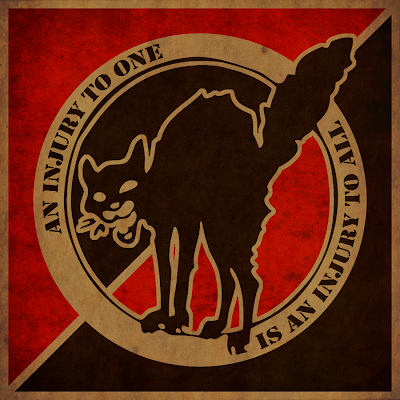
 Torch of Liberty